Trendafilov: Risteski acts as employers' megaphone by proposing Sunday could become a working day
The head of the Confederation of Trade Unions said Risteski is echoing employers by proposing Sunday could become a working day.
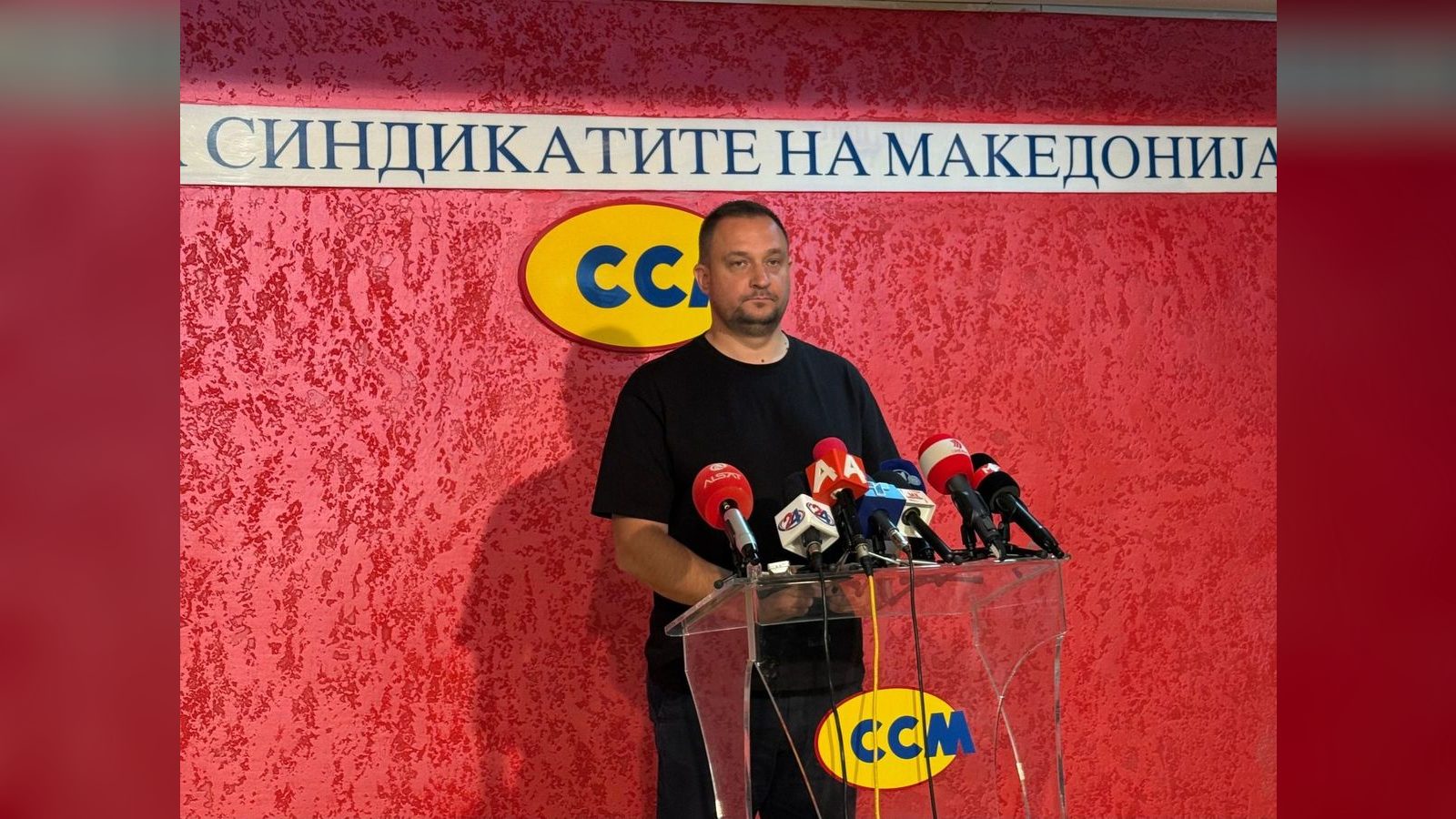
Slobodan Trendafilov, president of the Confederation of Trade Unions of Macedonia (SSM), publicly rejected comments by Deputy Minister of Economy and Labor Marjan Risteski suggesting that Sunday should be reconsidered as a working day. Trendafilov posted his response on Facebook, saying the statement exposed the deputy minister’s stance toward workers.
Union leader accuses Risteski of echoing employers
Trendafilov wrote that he was not surprised by Risteski’s remark, whether it reflected a personal opinion or emerging government policy. According to Trendafilov, Risteski “acts as a megaphone for the employers” and is aligning with efforts to roll back holidays and reduce labour protections.
He also challenged the deputy minister’s premise, asking whether Risteski had ever worked on Sundays and disputing the claim that nearly 90 percent of workers who currently do not work on Sunday should be re-engaged.
Trendafilov warned that Saturdays are already non-working days that employers often exploit, a problem workers complain about daily, and that policymakers ignore.
He concluded the post by saying the SSM will strongly oppose any attempts to curtail workers’ rights. “Officials should be careful when making statements that reveal their true face and suggest they are politicians against workers. SSM will not allow workers' rights to become a subject of bargaining with the employers,” Trendafilov wrote on Facebook.
Marjan Risteski made the original comment during a television appearance, saying such a proposal is supported by some business chambers and that the option should not be ruled out. He said, in his view, “If you ask me, why shouldn't Sunday be restored as a working day. It is an unjust decision, not only for employers but even more so for the unions and employees. If it is paid with a much higher daily wage, why should we deny the right of someone who wants to work on Sunday to earn a larger income, and why should we allow, if Sunday is not worked, an outflow of people to neighbouring countries.” Risteski added that this was his personal view and that the issue should be examined at the Economic and Social Council, taking into account already acquired workers' rights.
Photo: Printskrin