25 U.S. states sue Trump administration over new tariffs
Twenty-five states seek an order from the U.S. Court of International Trade to block and overturn 10% and 12.5% duties imposed on goods from 60 partners.
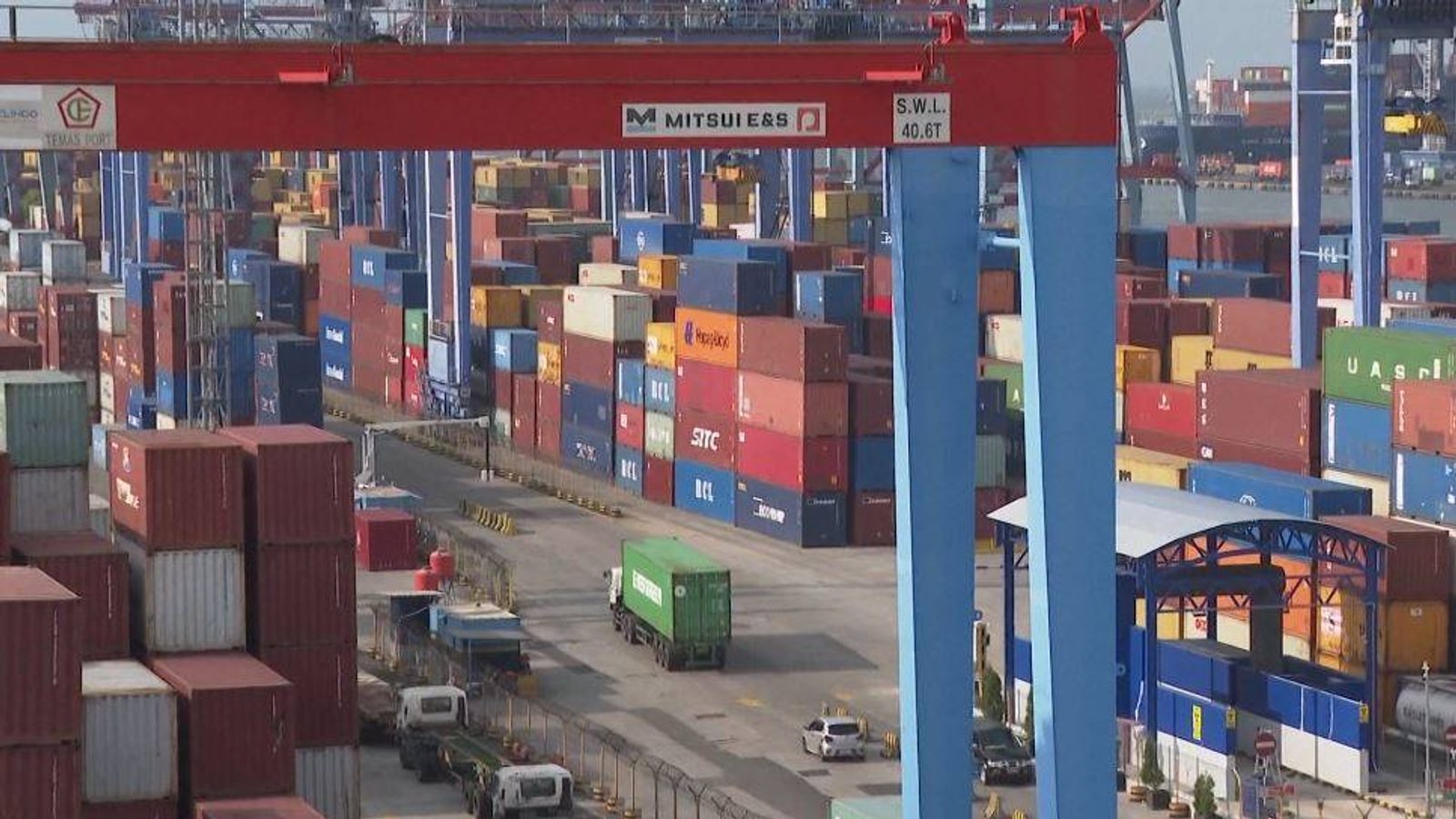
A coalition of 25 U.S. states filed a lawsuit yesterday against the administration of President Donald Trump, challenging newly imposed tariffs on imports from 60 trading partners.
States ask court to block and unwind duties
The tariffs — set at 10 percent and 12.5 percent — were announced by the administration on the grounds that the targeted countries have not adopted or effectively enforced bans on imports of goods produced with forced labor. The state plaintiffs, many led by Democratic attorneys general, asked the U.S. Court of International Trade to halt the levies, declare them unlawful and order repayment of duties already collected.
New York Attorney General Letitia James argued the president lacks the legal authority to impose such sweeping tariffs. "After losing at the Supreme Court, the federal administration is once again trying to raise taxes on families and businesses with yet another round of illegal tariffs," she wrote on X.
Oregon Attorney General Dan Rayfield warned the duties will push up prices for basic consumer goods such as clothing and electronics. "Again, the president is raising the costs of everyday goods for families and small businesses in Oregon, and we are once again leading a coalition of states trying to stop it," he wrote.
The legal challenge follows a pattern of tariff actions since the start of Trump's second term in January 2025, when the administration began imposing import duties on goods from dozens of trading partners without seeking congressional approval. In February, the U.S. Supreme Court blocked an attempt by the president to impose tariffs by executive order. The administration has since invoked a provision of the Trade Act of 1974 that authorizes duties to address "unfair foreign practices" affecting U.S. commerce.
In a separate thread of international reactions reported alongside the filing, Finland and Denmark voiced support for a move by Italy, and Czech Prime Minister Andrej Babis called for the temporary suspension of Spain's Schengen membership. In response, Spanish Prime Minister Pedro Sanchez said he had "serious concerns" about some European governments and stressed that Ceuta is not part of the Schengen area. Although most showed "support and solidarity," he said other European governments had chosen to attack Spain "driven by prejudice, fake news, ignorance or political interest."
Photo: press material from the event