A Blow to 90 Banks, a Frozen Oil Price Cap and a Ban on Russian Combatants: The EU's 21st Sanctions Package Is the Heaviest Yet — but Six Countries Are Blocking It
Von der Leyen: "Russia has clearly failed to subjugate Ukraine — the price it pays is heavier by the day"
The European Commission has put on the table its 21st package of sanctions against Russia — the sharpest blow to Russian finances so far. The package foresees asset freezes on close to 90 banks, bringing the total number of sanctioned Russian banks above 100 — more than half of all 213 internationally connected Russian lenders.
What the package contains
Beyond the banks, it provides for transaction bans on 31 more Russian banks and 20 banks in third countries helping Moscow circumvent sanctions, as well as measures against 11 crypto platforms — with the possibility of a full ban on crypto-asset services to third countries. The Russian oil price cap is frozen at the current $44.10 per barrel until January 2027, so the Kremlin cannot profit from the rise in global prices driven by the Iran-US war. Thirty more "shadow fleet" vessels are added to the blacklist (on top of the 632 already sanctioned), and for the first time ships providing services to the fleet are also targeted. The package covers 170 individuals and entities, new import bans worth 60 million euros and — for the first time — an entry ban into the EU for current and former Russian combatants.
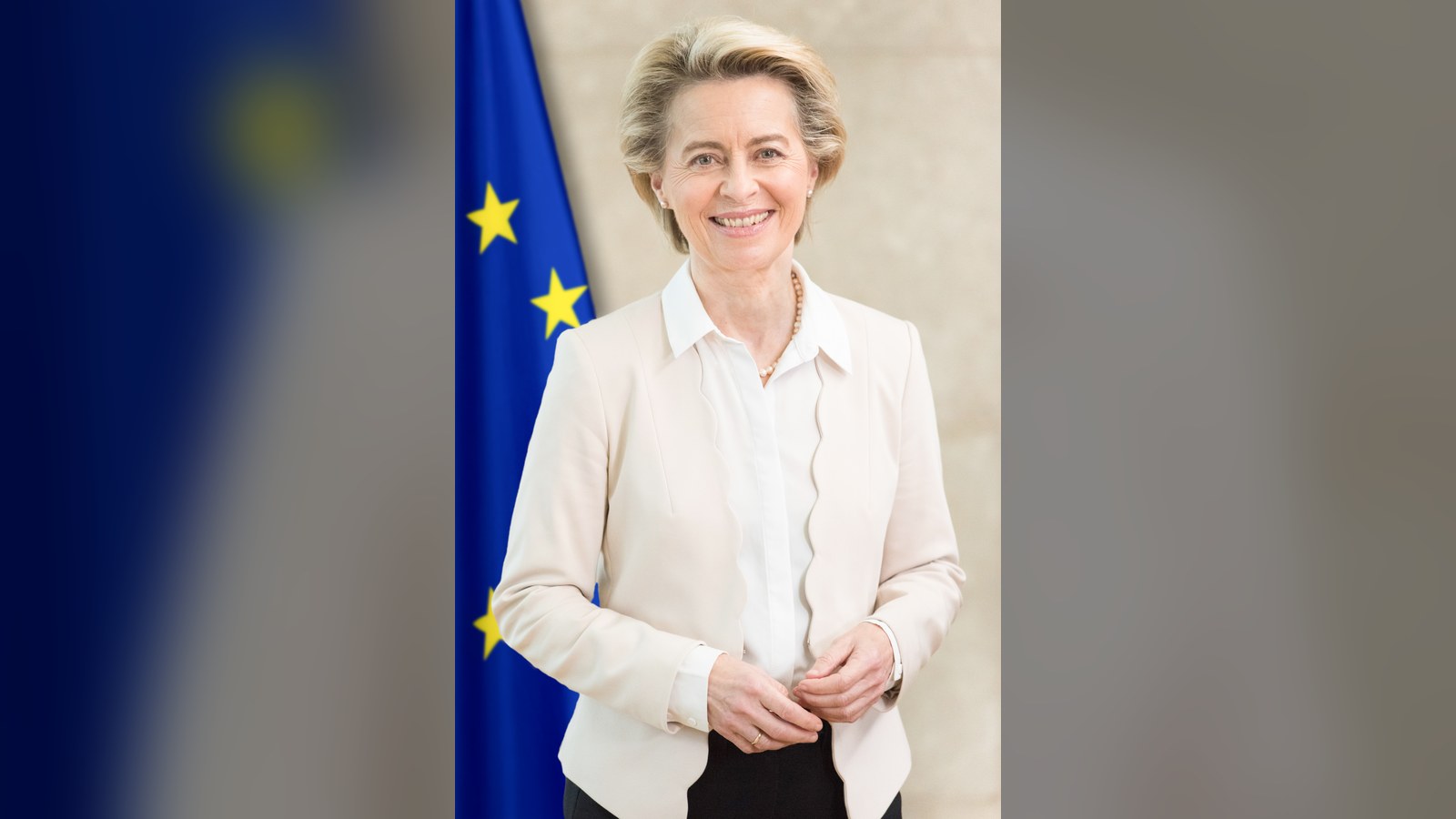
"Four years after the start of its full-scale invasion, Russia has clearly failed to subjugate Ukraine. The price Russia pays is heavier by the day. And it is paid primarily by the people of Russia," said European Commission President Ursula von der Leyen.
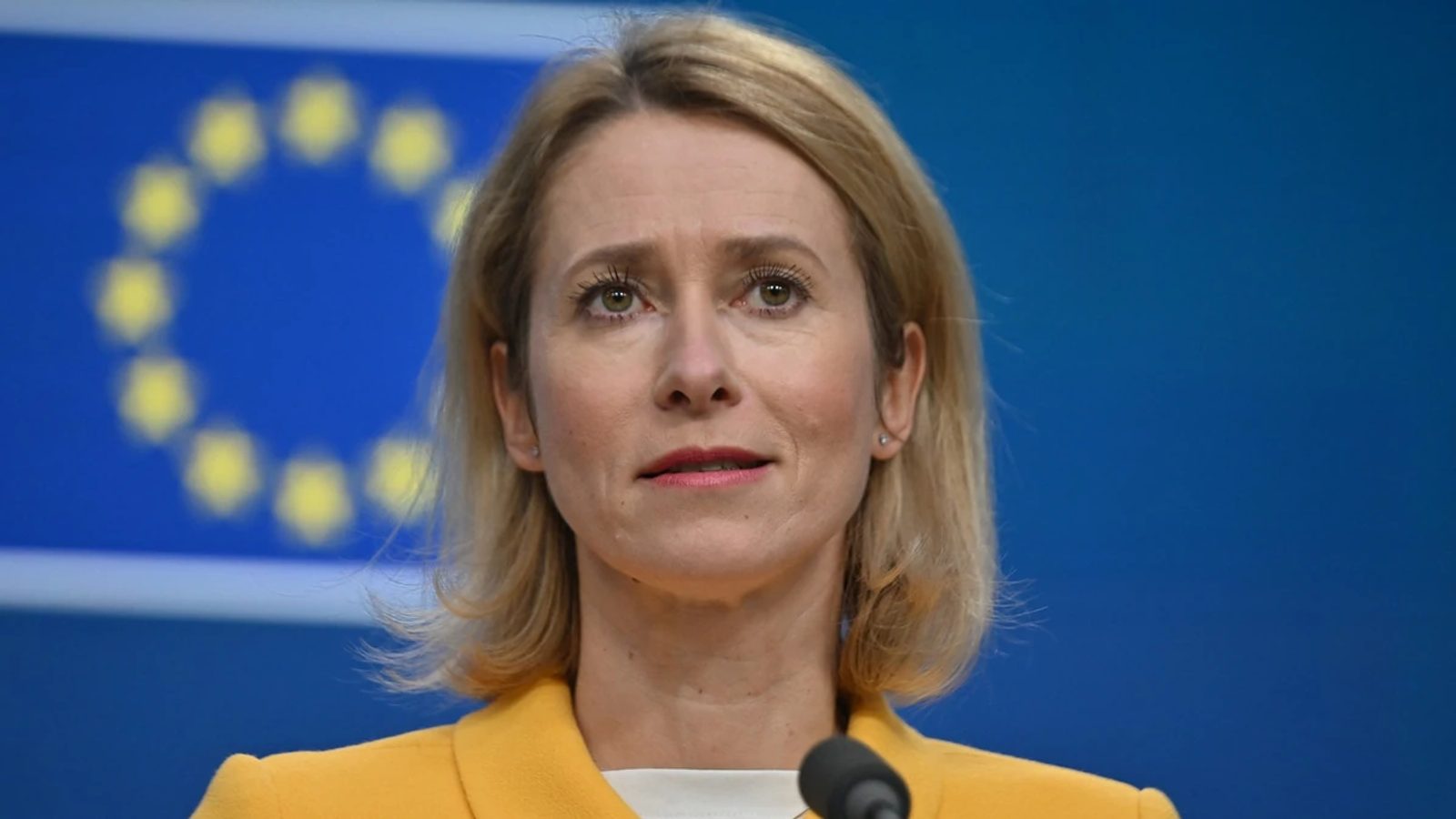
EU chief diplomat Kaja Kallas was even more direct: "Europe's door should not be open to Russia's (ex-)combatants."
The Achilles' heel: unanimity
But the package has one fundamental problem — it requires the consent of all 27 member states to enter into force, and as many as six countries are demanding exemptions: Greece fears for its shipping industry over the ban on transporting Russian LNG, while Germany and Portugal oppose the ban on importing Russian fish. Negotiations among ambassadors continue — and every day of delay is another day for Russia's war chest. Meanwhile, Brussels is pressing ahead with support for Kyiv: 6 billion euros for drones and over 3 billion euros in macro-financial assistance are planned by the end of June.
Photo: European Commission / Wikimedia Commons, CC BY 4.0