Ukraine, Russia and the US signal new trilateral talks for October 2026
Kiev and Moscow say they are prepared for US-mediated talks in October, but territorial demands and Russian air advantage limit prospects for a fast deal.
Ukraine, Russia and the United States have each signalled readiness to resume trilateral talks aimed at ending the war, with Ukrainian officials saying negotiations could start in October 2026.
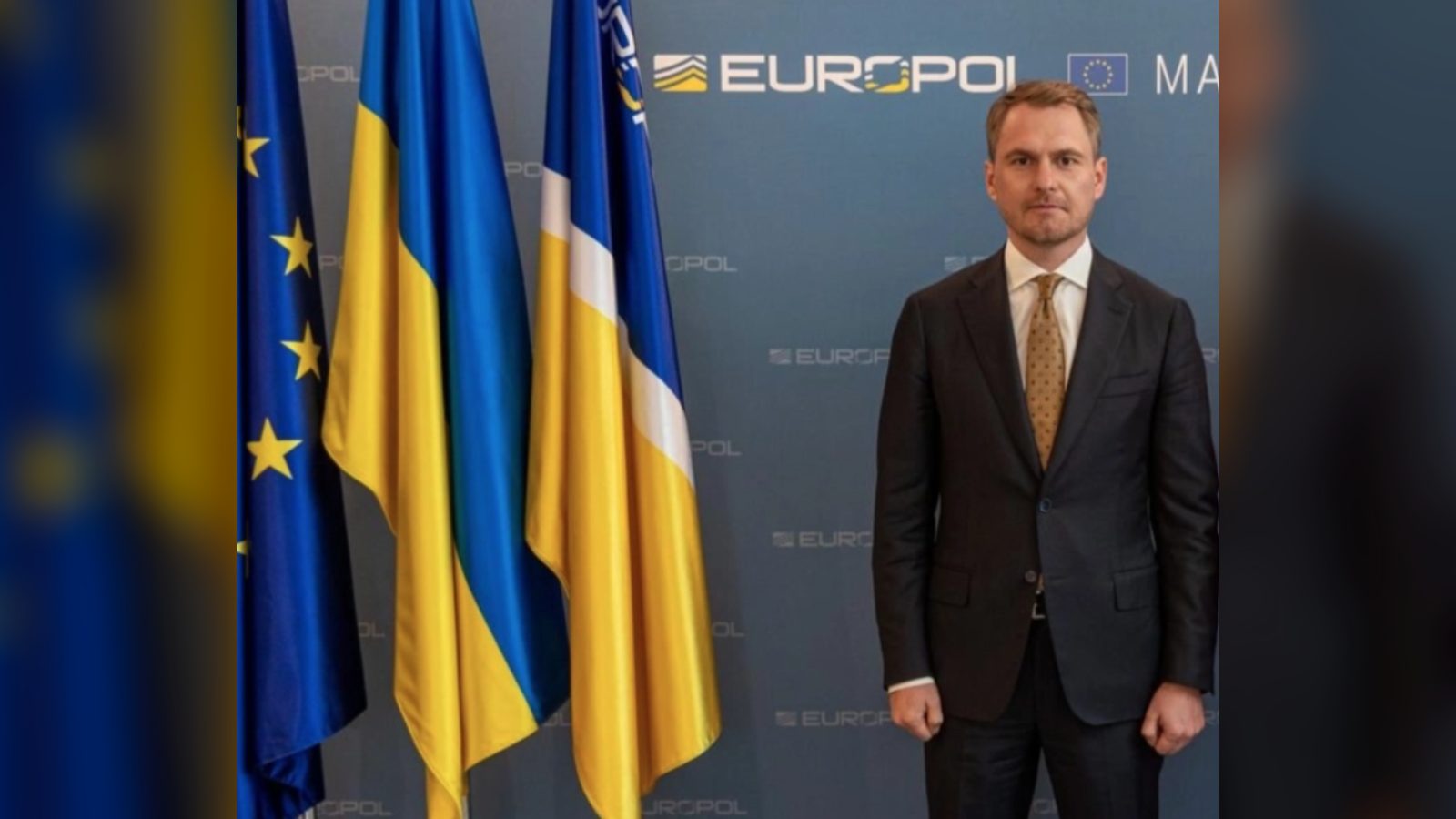
"We are preparing. For October," said Kyrylo Budanov, head of the office of the Ukrainian president. Kremlin spokesman Dmitry Peskov gave a similar, cautious response: "We do not rule out such a possibility. We are talking about the near future."
American envoys Steve Witkoff and Jared Kushner visited Moscow and Kyiv in the first week of September in efforts to revive the three-way diplomacy. The previous round of talks took place in January and February 2026 in Abu Dhabi and Geneva, but produced no concrete breakthrough, largely because control of territory in eastern Ukraine remains unresolved.
Territory, polls and the balance on the front
Kushner said on 12 September during an online appearance at the Yalta European Strategy security conference in Kyiv that "President Putin has clearly set his goals and the line he wants to reach. If Ukraine is willing to withdraw to that line, then the rest of the deal could be ready. But Ukraine at the moment does not want to do that." Kyiv, however, insists it will not cede the territories that Moscow demands.
A Kyiv International Institute of Sociology poll conducted in summer 2026 found that roughly 60 percent of Ukrainians would back freezing fighting along the current front line in exchange for security guarantees. At the same time, only 33 percent said Ukraine should give up territories that Russia demands.
Political analyst Volodymyr Fesenko warned there are no easy conditions for rapid progress: "For a negotiated end to the war there must be a balance. At present there is a stalemate along the front lines and almost nothing is changing, but in the air war Russia, sadly, has a significant advantage."
That Russian aerial advantage is creating acute pressure on Ukraine. Kyiv faces shortages of interceptors to defend against Russian ballistic strikes, while Moscow has stepped up attacks using faster jet-powered drones that are harder to intercept than older petrol-engine models. Strikes increasingly target Ukraine's economic infrastructure: storage facilities, energy installations, fuel depots and rail lines.
Supporters of Kyiv's strategy say strikes inside Russia are intended to force Moscow to negotiate. British national security adviser Jonathan Powell argued at the Yalta forum on 11 September that escalation can indicate success: "Escalation is not the problem. It is a sign of success." He said the West must "keep the pressure" so Putin takes talks seriously.
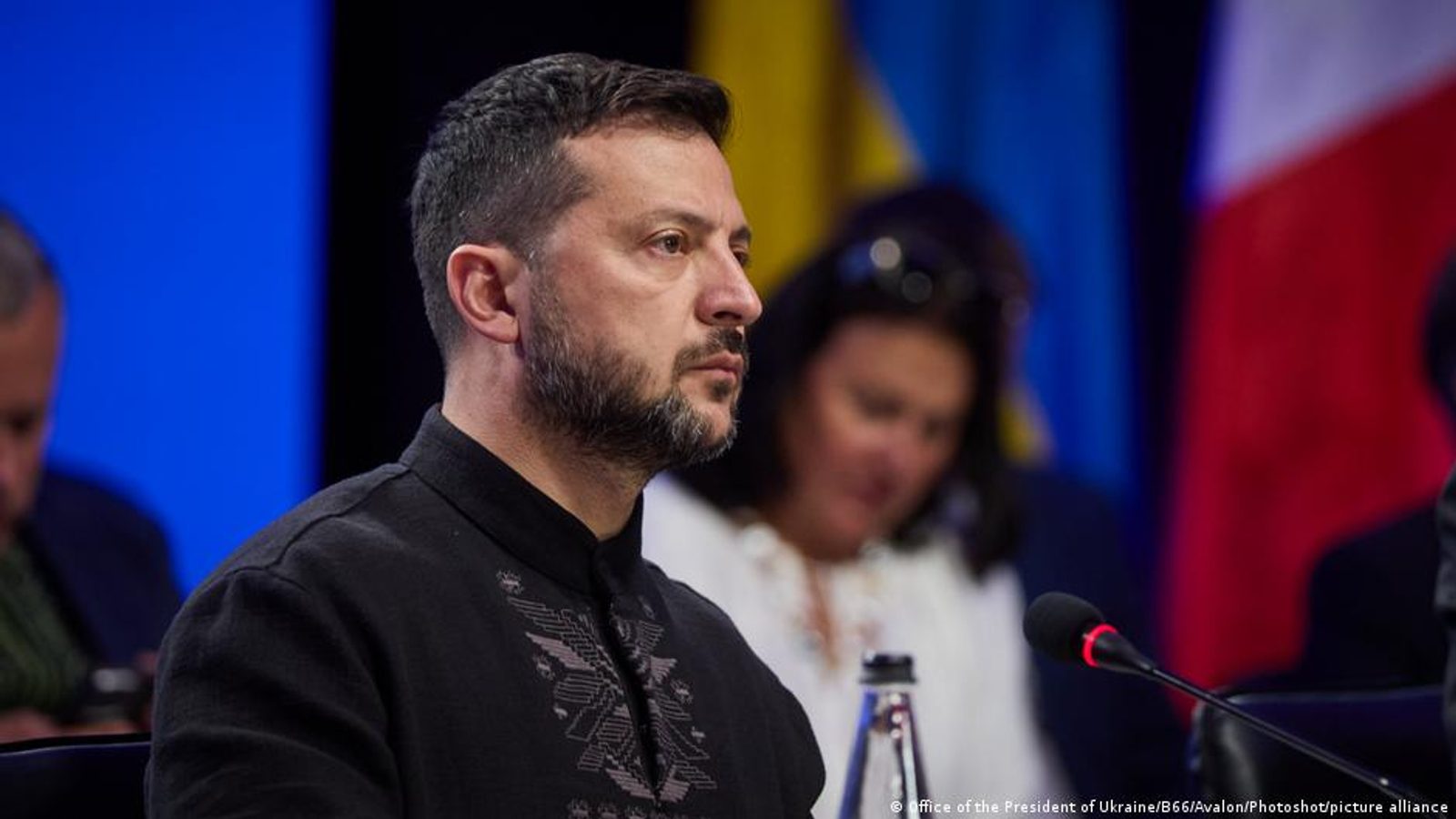
Facing the prospect of a difficult winter after major 2025 attacks on energy infrastructure, Kyiv has pushed instead for partial de-escalation focused on protecting power and reopening Black Sea grain exports. President Volodymyr Zelensky suggested such a step could open talks: "What can bring us to any negotiations? Energy and grain. That is the first step. That is something we can achieve," he said in an interview broadcast on 12 September.
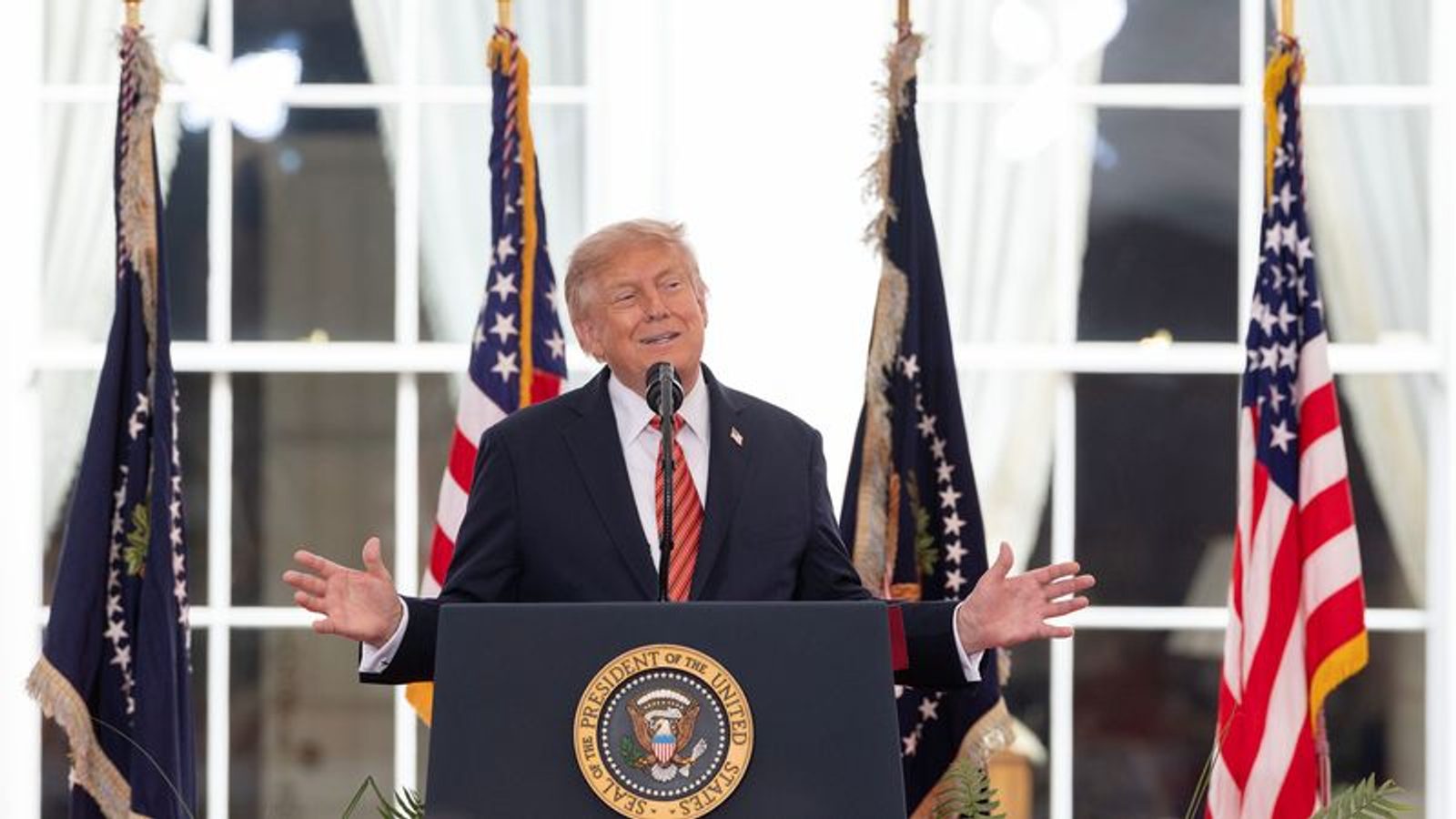
Meanwhile the White House pressure on Ukraine to halt strikes on Russian energy assets has intensified publicly. Former US president Donald Trump said during the week that "Mr. Zelensky has to do one thing: stop hitting diesel fuel reserves in Russia. There are many other targets. Do not hit diesel fuel. It hurts the whole world." A day later Trump claimed on Truth Social: "Ukraine agreed not to strike Russian energy targets. Russia agreed to do the same." Neither Kyiv nor Moscow immediately confirmed such an agreement.
If trilateral talks begin in October as expected, they would be conducted by negotiation teams rather than by the leaders themselves. Kyiv maintains that final settlement of territorial questions can only be achieved at the level of presidents. Zelensky said during the US envoys' visit that "The territorial question remains one of the most urgent... Complex questions like this can be solved only at leader level."
Photo: press material from the event