Ukrainian strikes on Russian refineries cause fuel shortages and push Central Asia to seek new partners
From January to July 2026 Ukrainian forces struck 25 refineries in 194 attacks, cutting Russian fuel output by over 30% and forcing new trade moves in Central Asia.
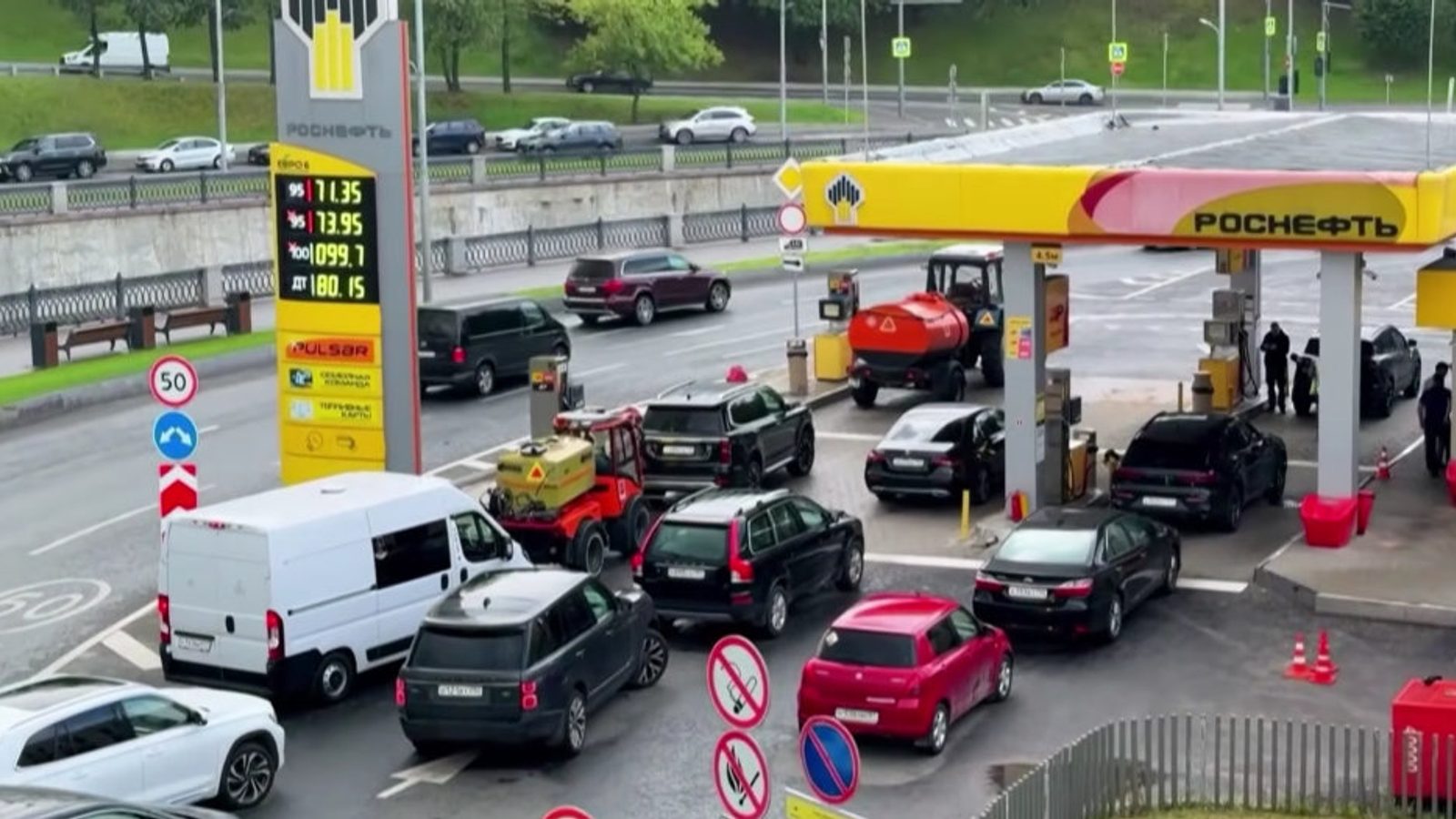
Intensified Ukrainian strikes deep inside Russian territory have sharply reduced Russia's fuel output and left Moscow unable to meet energy commitments to Central Asian partners.
Impact on production and regional supplies
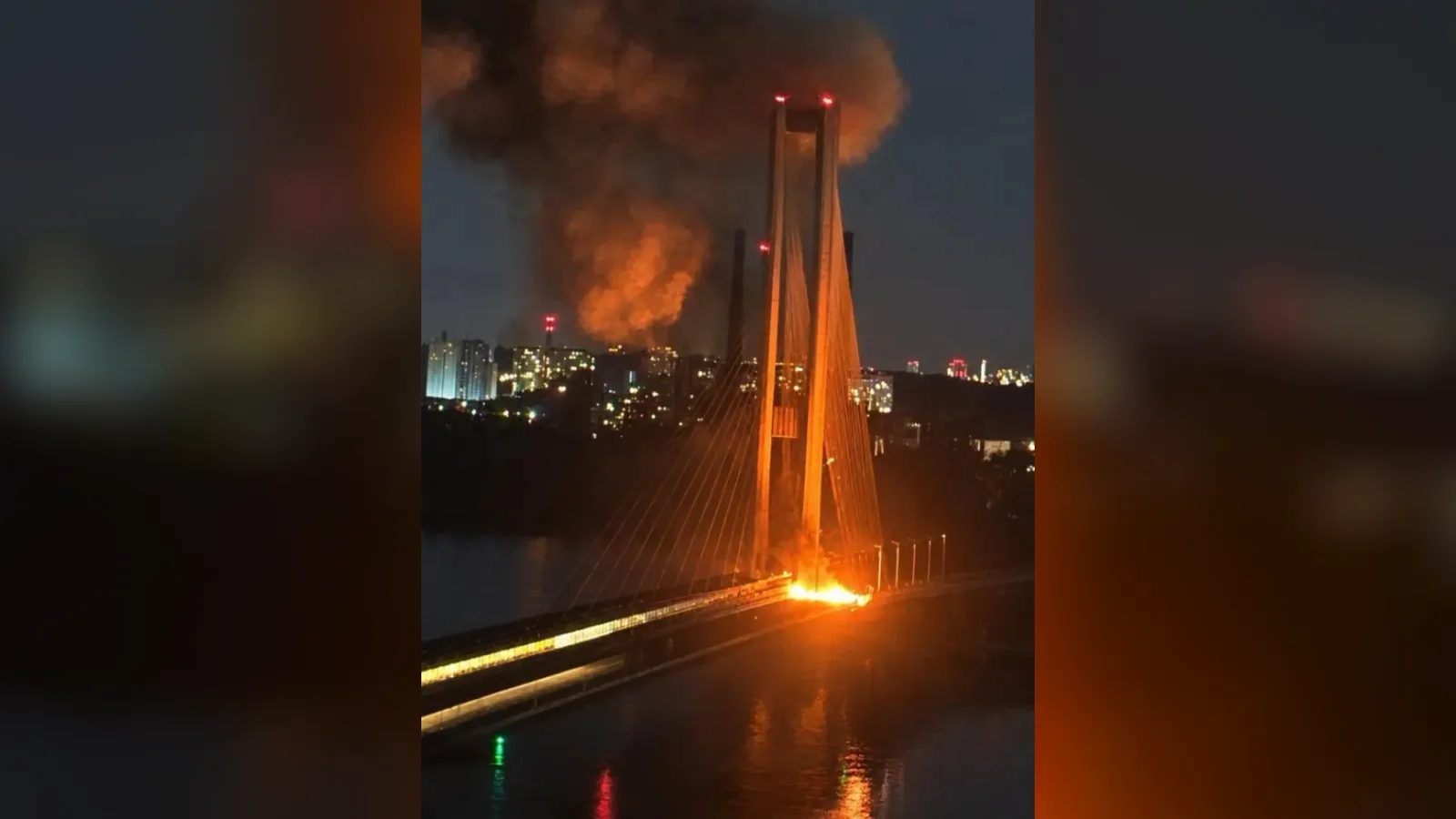
Between January and July 2026 Ukrainian forces carried out 194 attacks on 25 Russian refineries, compared with 37 attacks in the same period in 2025. The surge in strikes has cut Russian fuel production by more than 30 percent, officials and market indicators show.
The shortfall has prompted restrictions in at least 56 regions, affecting large cities, rural areas, the North Caucasus, the Far East and the occupied Crimea, where the sale of fuel to the civilian population has been banned since June 21.
Among the damaged facilities were a Moscow refinery where two distillation units were hit in June, and the country’s largest plant in Omsk — with a capacity of about 440,000 barrels per day — which halted operations after an attack on July 6.
Moscow has taken steps to limit public visibility of the damage: authorities restricted the publication of footage, pursued criminal cases against people who shared videos, and blocked access to Rosstat data used to track prices. The shortages at petrol stations, however, made it difficult to conceal the crisis.
President Vladimir Putin urged rapid repairs to refineries, an increase in imports and improved protection for operational facilities as immediate measures to stabilise supplies.
Photo: Jutjub/printskrin)