Hungary fully shuts Paks nuclear plant as low Danube forces loss of 40 percent of electricity
Prime Minister Péter Magyar warned of a critical five‑day period and urged citizens to conserve starting Monday after low Danube levels forced Paks offline.
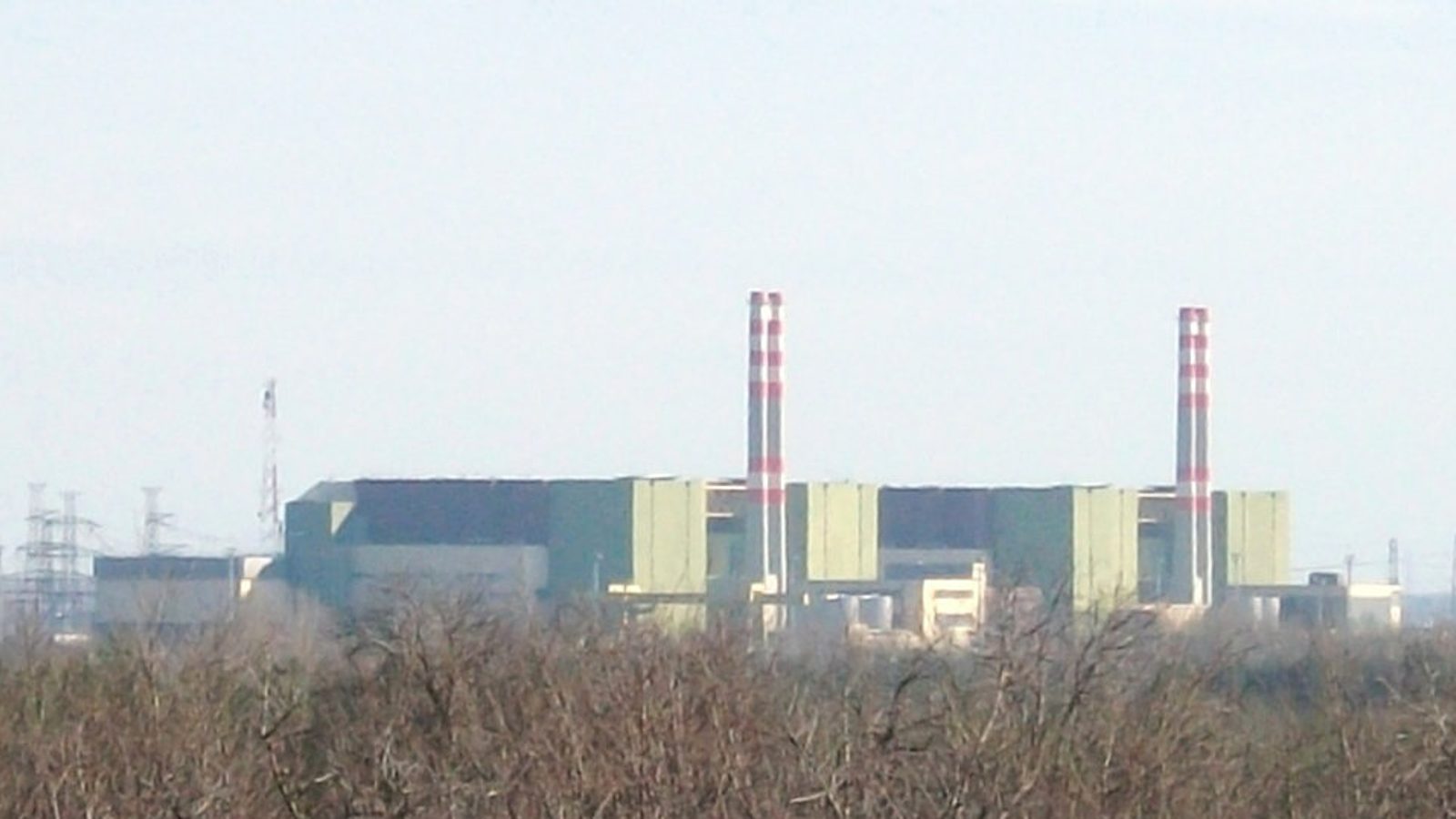
Hungary has completely shut down the Paks nuclear power plant after a record drought in Central Europe pushed water levels in the Danube so low that the facility can no longer use the river for cooling, Prime Minister Péter Magyar said on Sunday. The plant provides about 40 percent of the country’s electricity.
Authorities warn of a critical five-day stretch
Magyar said the coming days will be “the most critical five days” for the country’s power system, and urged all citizens to exercise extra caution and mutual support. He said authorities expect the grid to face severe stress and asked people to reduce consumption starting Monday.
The final active reactor units at the Paks site, located south of Budapest, were taken offline over the weekend because of the continued fall in Danube water levels, which the plant relies on for cooling. Due to the additional drop, the facility has been fully disconnected from the grid for the first time in 44 years.
Operators have not announced a timeline for restarting reactors; the shutdown marks an unprecedented interruption in the plant’s decades-long operation and raises immediate questions about Hungary’s electricity supply and contingency measures for the short term.
Energy analysts say the loss of Paks’ output will force the government to rely more on imports, thermal generation and other reserve sources while the drought persists. Officials have appealed to businesses and households to cut non-essential electricity use to ease pressure on the system.
As the situation develops, authorities are monitoring river levels and plant systems closely, warning that any further fall in the Danube could prolong the outage and complicate recovery plans.
Photo: press material from the event