Amazon loses 40 satellites as ULA Vulcan launch fails
A Vulcan rocket failed about ten minutes after liftoff from Cape Canaveral, destroying 40 Amazon LEO satellites and threatening deployment plans.
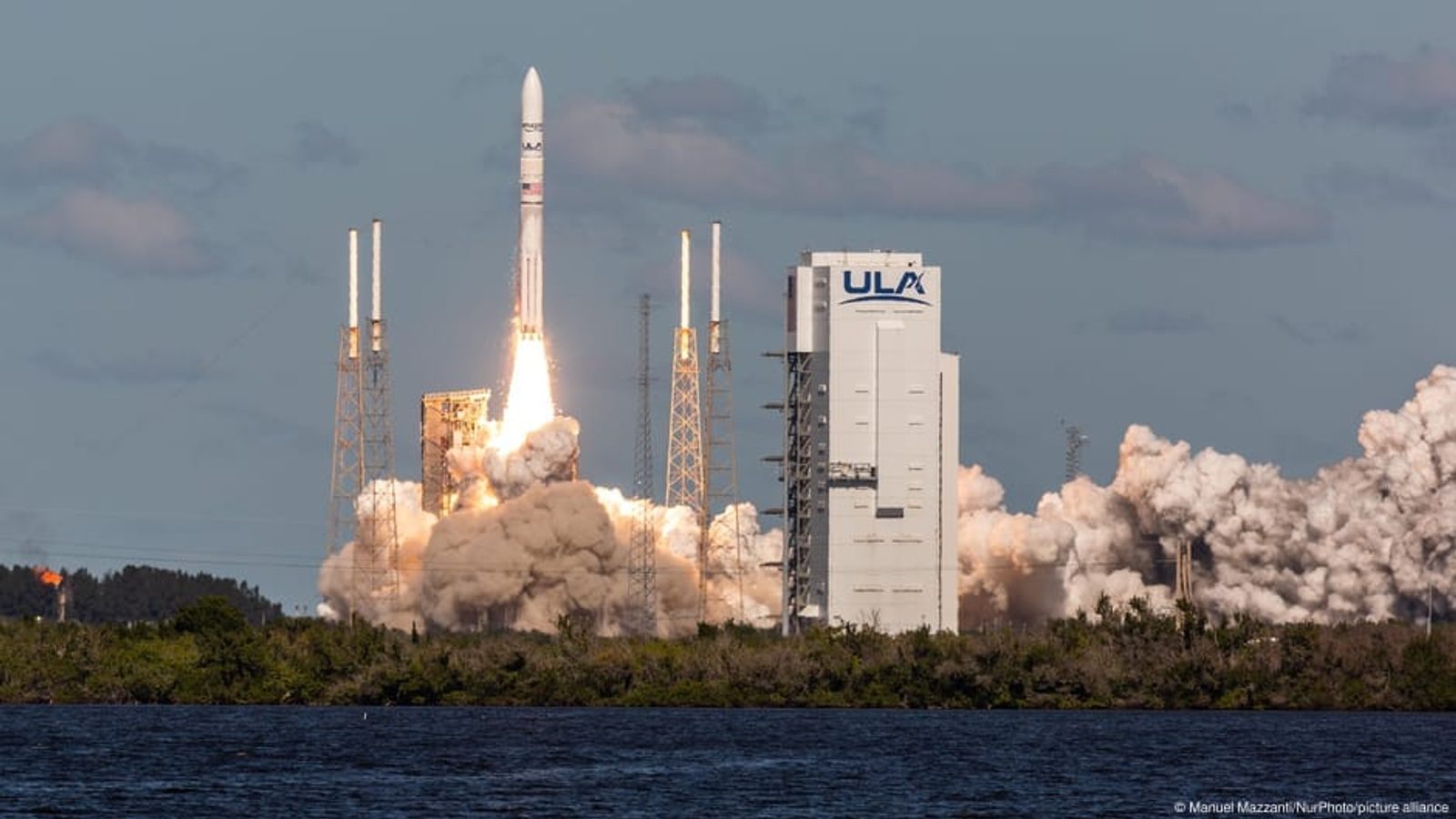
Amazon suffered a major setback in its effort to build a low‑Earth‑orbit internet constellation after a United Launch Alliance (ULA) Vulcan rocket failed, destroying 40 Amazon LEO satellites. The failure occurred on November 16, 2026, roughly ten minutes after liftoff from Cape Canaveral, Florida, ULA said.
Launch failure and immediate fallout
United Launch Alliance announced the rocket malfunction but has not yet identified a cause. The company warned the mishap will likely trigger a lengthy technical investigation and that the Vulcan fleet could be grounded for months while engineers inspect telemetry and hardware.
The destroyed payload consisted of 40 satellites built for Amazon LEO, the eponymous service Amazon is developing to compete with SpaceX's Starlink. The lost flight was the first of 38 launches that Amazon ordered from ULA.
Amazon LEO posted on X about the accident: "Every launch carries risks." The company has previously used Atlas V rockets from ULA for earlier deployments.
Since April 2025 Amazon has already placed about 400 satellites into orbit as part of a plan for a constellation that is ultimately intended to exceed 3,200 satellites. Industry analysts say the loss will be costly and could slow the deployment schedule.
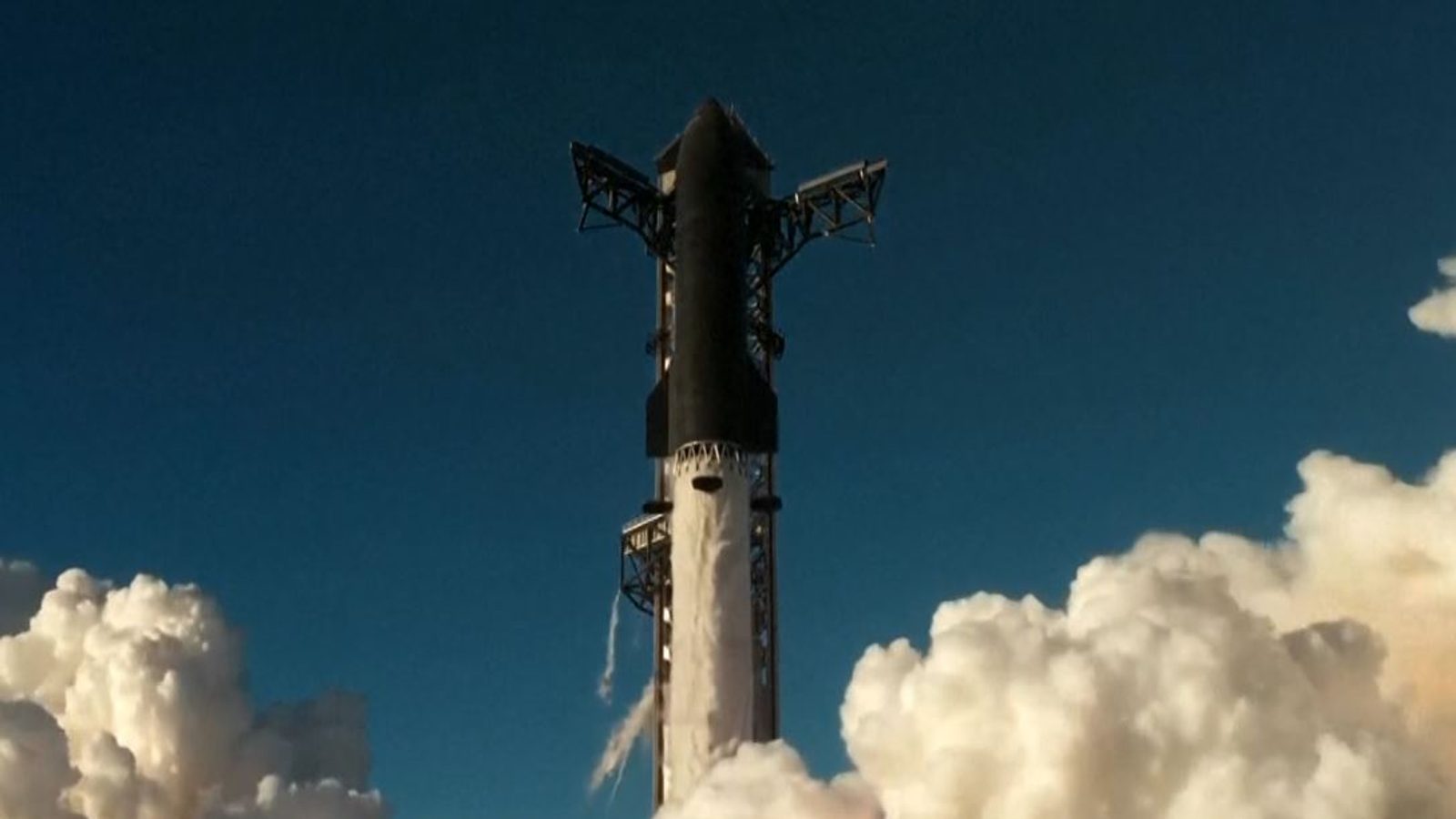
Officials and market observers also warned the failure may deepen an existing shortage of launch capacity in the United States. The sector is already under strain following other recent problems: Blue Origin suffered a New Glenn explosion during pad testing in May, and SpaceX is retiring the Falcon 9 — reportedly no longer accepting new reservations — while advancing Starship, which recently returned to Earth after delivering 26 Starlink satellites.
Photo: press material from the event