Philip the Apostle — name day 24 October: household rituals for peace and blessing
Orthodox commemoration on 24 October and the traditional rituals families observe for peace, charity and house blessing.
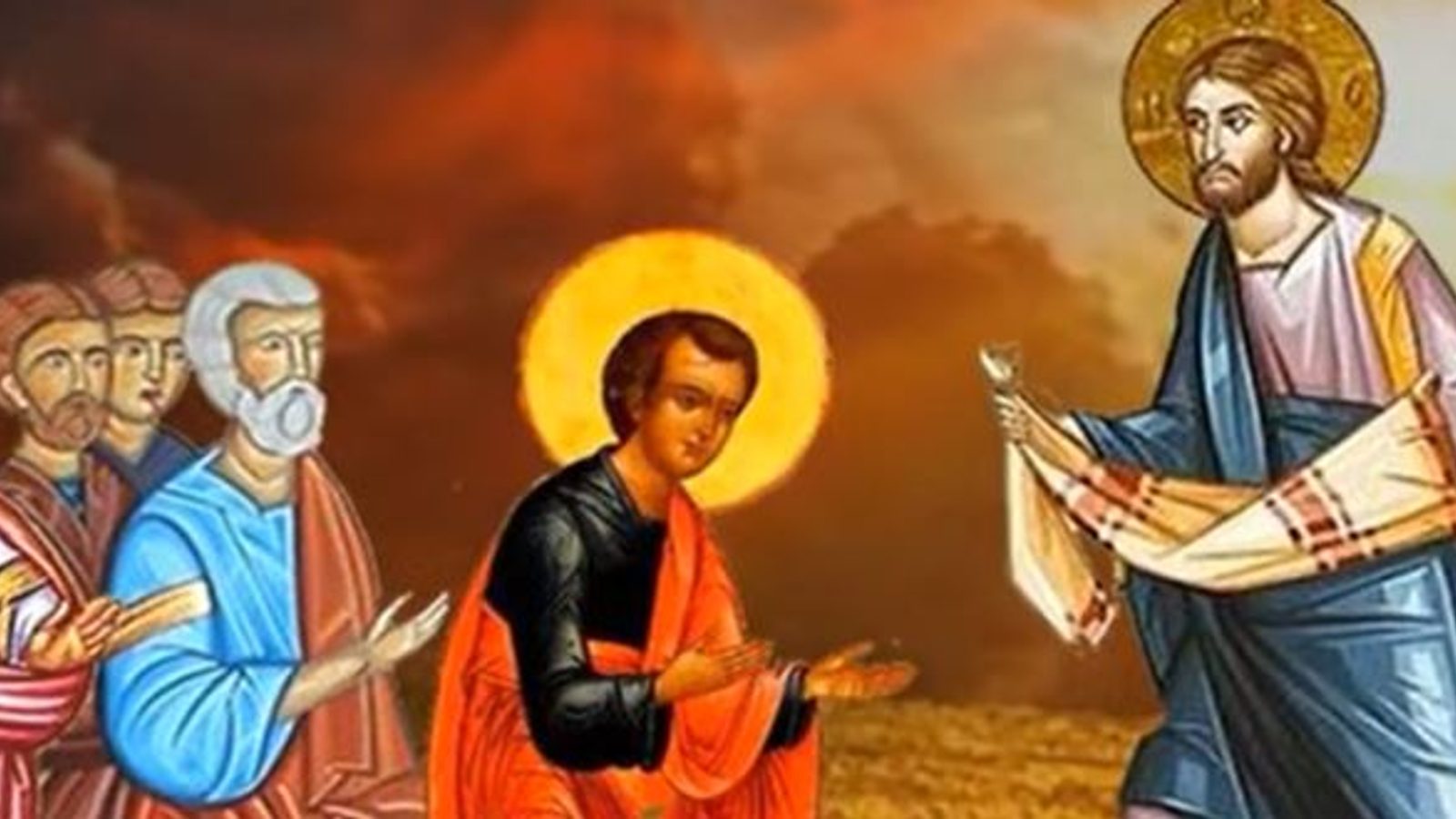
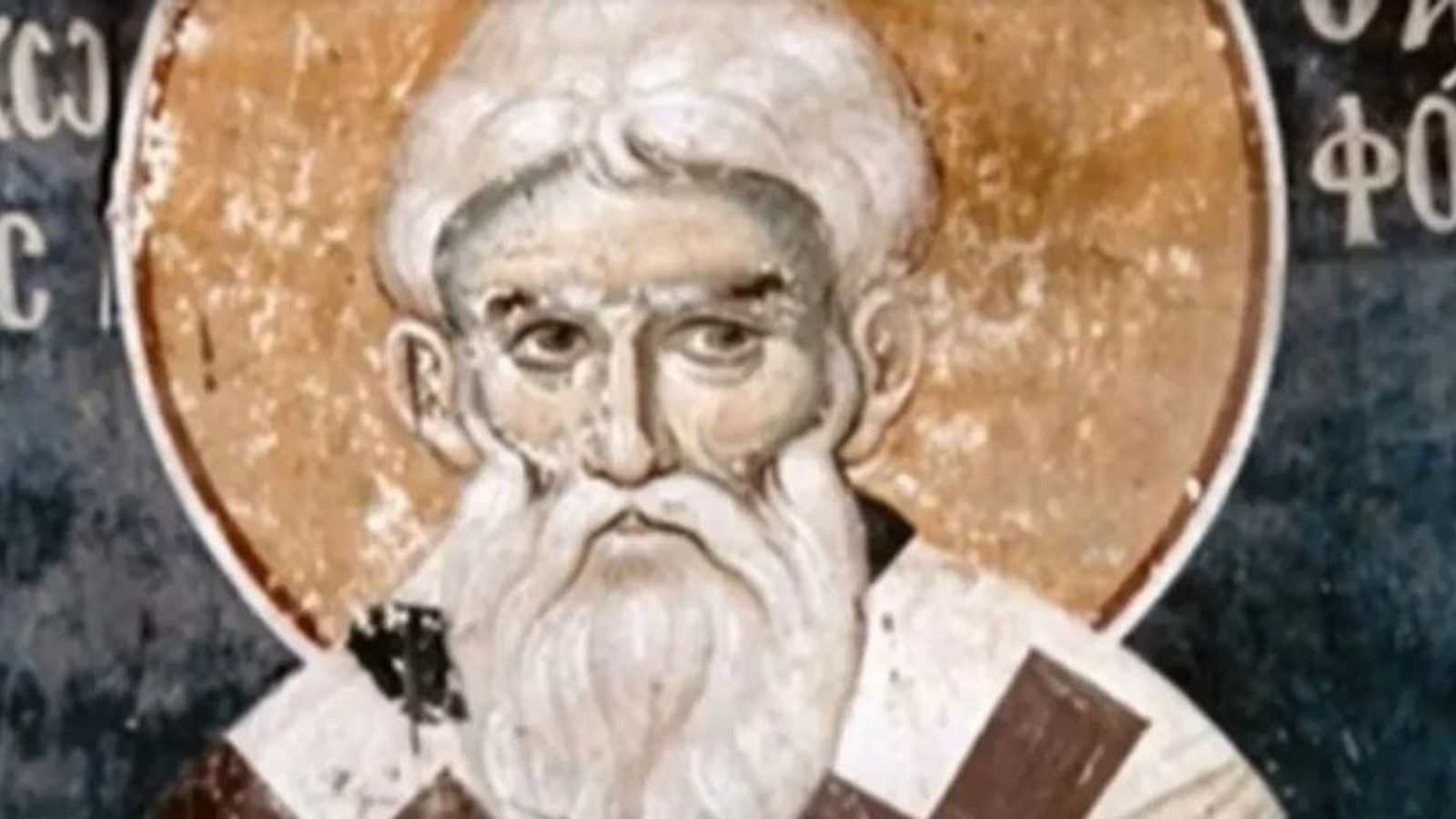
On 24 October the Orthodox Church commemorates Philip the Apostle, one of the seven deacons chosen by the early apostles to serve the faithful and care for the most vulnerable. Tradition presents him as a protector of household peace and of those in need — widows, the poor, travelers, and people facing spiritual or earthly trials.
What people do on 24 October
Philip is said to have been born in Caesarea in Palestine, married and the father of four daughters who “were endowed by God with the gift of prophecy” and who were consecrated as virgins to Christ. Chosen among the first deacons alongside Stephen, he devoted himself to serving widows and the poor.
When persecution struck Jerusalem, Philip took refuge in Samaria, where he proclaimed the Gospel and wrought miracles — casting out demons and healing the sick. Because of his work he baptized the well‑known Simon Magus (the Sorcerer) and later baptized the eunuch of the Ethiopian queen Kandake. An angel is said to have transported him miraculously to Azotus; he continued preaching and was eventually appointed bishop of Tralles, where he died peacefully in advanced age.
Popular custom links 24 October to family and home. Devout people are advised to attend church in the morning or to light a candle at home before an icon, praying for health, harmony and unity within the household. Giving alms or otherwise helping someone in need on this day is believed to bring a special blessing over the entire home, since Philip was known for his care of the poor and widows.
Households often cleanse thresholds and rooms, and sprinkle the house with blessed water to remove negative influences and invite prosperity. Folk tradition also highlights the exceptional spiritual atmosphere of Philip’s family — that all four daughters were consecrated virgins and gifted with prophecy is seen as evidence of the grace that filled his home.
In some strands of Russian literature the account of Philip’s miraculous translations — for example, being taken from the road to Gaza directly to Azotus — is interpreted symbolically as showing that a saint can be swiftly present where someone sincerely calls for help. Name‑day greetings on 24 October go to everyone named Philip and its variants (such as Filipa, File, etc.).
Photo: press material from the event