Assumption of the Most Holy Theotokos — 28 August: rites, basil in the home and what to avoid
What Orthodox families do on 28 August: services, blessings of harvest and the basil custom kept next to the home icon.
On 28 August the Orthodox Church and millions of faithful mark one of the major feasts in the Christian calendar — the Assumption of the Most Holy Theotokos (commonly called the Great Feast of the Virgin). The day closes the strict two‑week Dormition fast and commemorates the passing and heavenly translation of the Mother of God.
For believers this feast is associated with hope, consolation and intercession: the Theotokos is regarded as protector of families, mothers and the sick, and many turn to her in prayer asking for health and blessing.
Traditional observances and communal rites
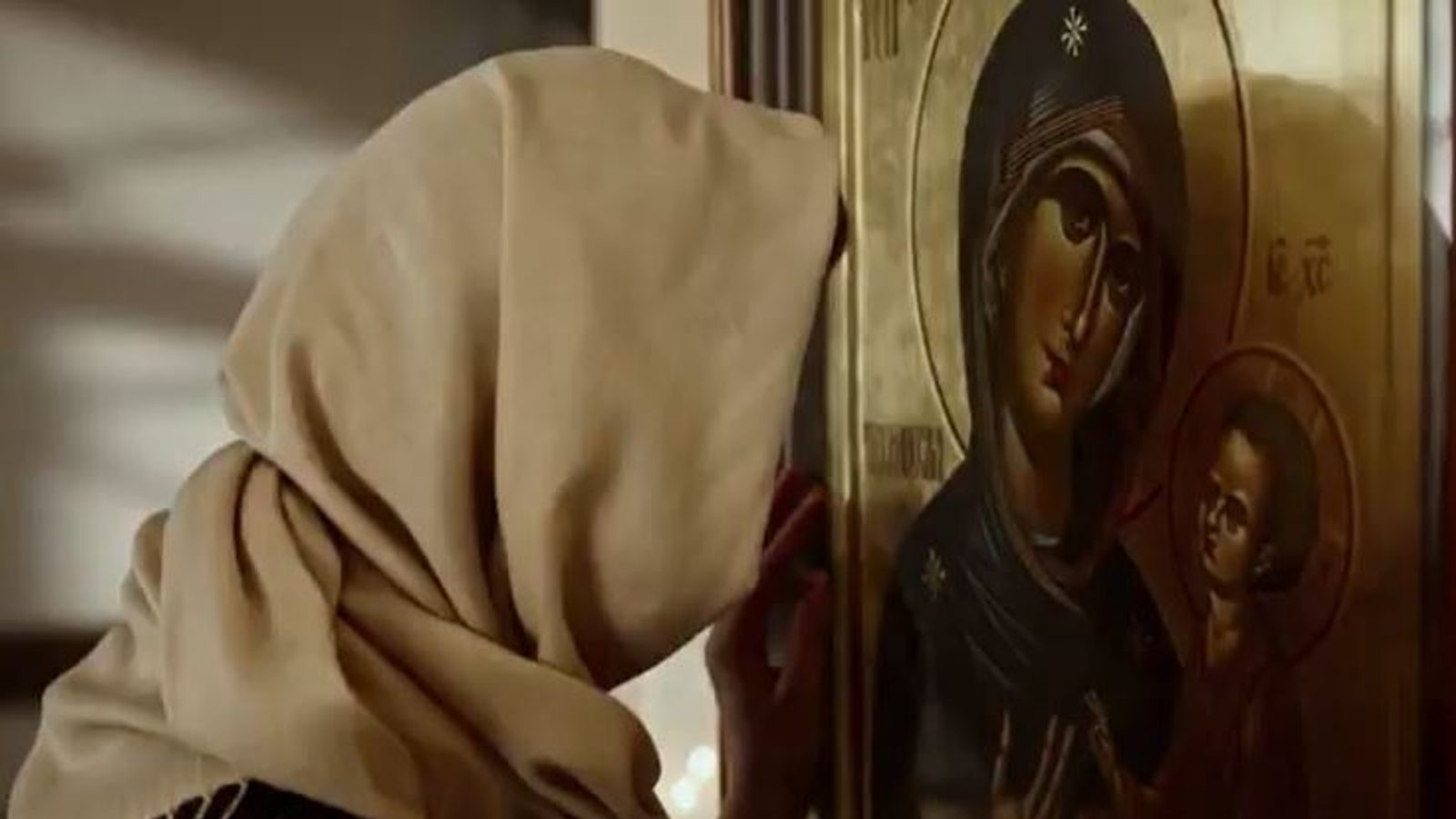
The morning is marked by attendance at the Divine Liturgy, where worshippers receive communion and pray before icons of the Virgin for peace and wellbeing in the household. A widespread custom is to bring the first fruits of the harvest — wheat, grapes and other produce — to church for blessing.
Pilgrimages to monasteries dedicated to the Theotokos are common; many stay for an overnight vigil seeking spiritual consolation. After services families gather for a festive meal, and sharing food with the poor and needy remains an important part of the day.
One enduring household practice is bringing basil into the home. According to tradition, when the apostles opened the tomb three days after the Virgin’s repose they found it empty; only the burial shrouds remained and fragrant basil was said to have appeared. On 28 August faithful bring sprigs of basil to be blessed in church and keep them by the home icon throughout the year as a sign of divine fragrance and protection.
Blessed basil is believed to shield the house from illness, negative forces, storms and misfortune and is sometimes used to make healing teas in difficult times. At the same time, custom prescribes restraint: heavy agricultural work, extensive house cleaning, washing or ironing are traditionally avoided; women are advised not to cut their hair; and the day is considered inauspicious for launching major business ventures or journeys without blessing.
The feast is also a day for tempering speech and behaviour: quarreling, slander and harsh words are discouraged, while forgiveness, charity and calm prayer are encouraged as fitting expressions of devotion on this solemn observance.
Photo: press material from the event