North Macedonia imports over 40% more than it exports in Jan–Jul 2026
Imports exceeded exports by just over €2.09 billion in January–July 2026; coverage was about 71 percent.
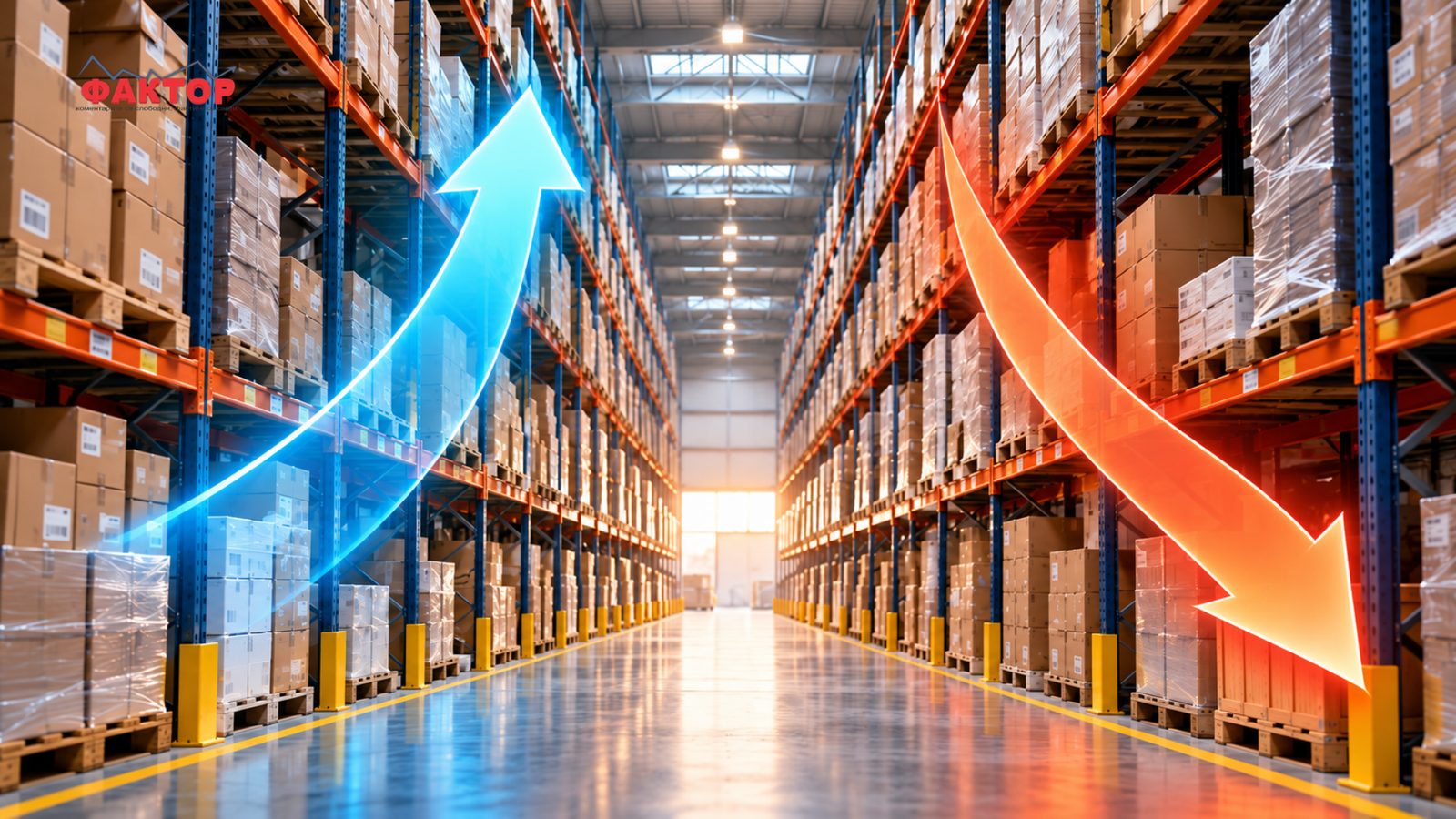
North Macedonia imported goods worth €7.199 billion in the first seven months of 2026, while exports reached €5.103 billion, leaving a trade deficit of just over €2.09 billion and an export coverage of about 71 percent, official statistics show.
Both flows rose year-on-year: exports increased by 8.4 percent compared with January–July 2025, and imports climbed by 7.9 percent in the same comparison.
Regional comparison
The pattern of trade balances in neighbouring countries differs markedly. In Serbia, exports totalled €21.09 billion and imports €25.50 billion, giving import coverage of roughly 82.7 percent. Bulgaria posted €27.14 billion of exports and €34.54 billion of imports (coverage about 78.6 percent). Croatia exported around €16 billion and imported €28.6 billion (coverage ~56 percent). Montenegro showed the widest gap: exports of €312.9 million versus imports of €2.61 billion, a coverage of about 12 percent.
Compared with those peers, North Macedonia’s 71 percent coverage is higher than Croatia’s and Montenegro’s but lower than Serbia’s and Bulgaria’s.
The structure of North Macedonian trade indicates a strong link to industrial production. Top export items include catalysts with precious metals, sets of conductors used in vehicles, aircraft or ships, and parts for seats. Significant imports are platinum and other platinum group metals, petroleum derivatives and motor vehicles. Many imported raw materials and components are incorporated into domestic manufacturing and subsequently re-exported as processed goods.
European Union member states accounted for 58.7 percent of the country’s external trade in January–July 2026. The five largest trading partners — Germany, the United Kingdom, China, Greece and Serbia — together made up 49.4 percent of North Macedonia’s total trade.
Economists note that higher imports are not necessarily a sign of weakness: when imports supply machines, energy and inputs used in domestic processing, rising imports alongside growing industrial output and exports can strengthen the economy over time by increasing foreign earnings and production activity.
Photo: press material from the event