Experts at Veles trial: front‑right wheel damaged by impact, not prior defect
Experts told the Basic Court in Veles that the van’s front‑right drive half‑shaft broke due to an impact with the embankment, not a pre‑existing defect.
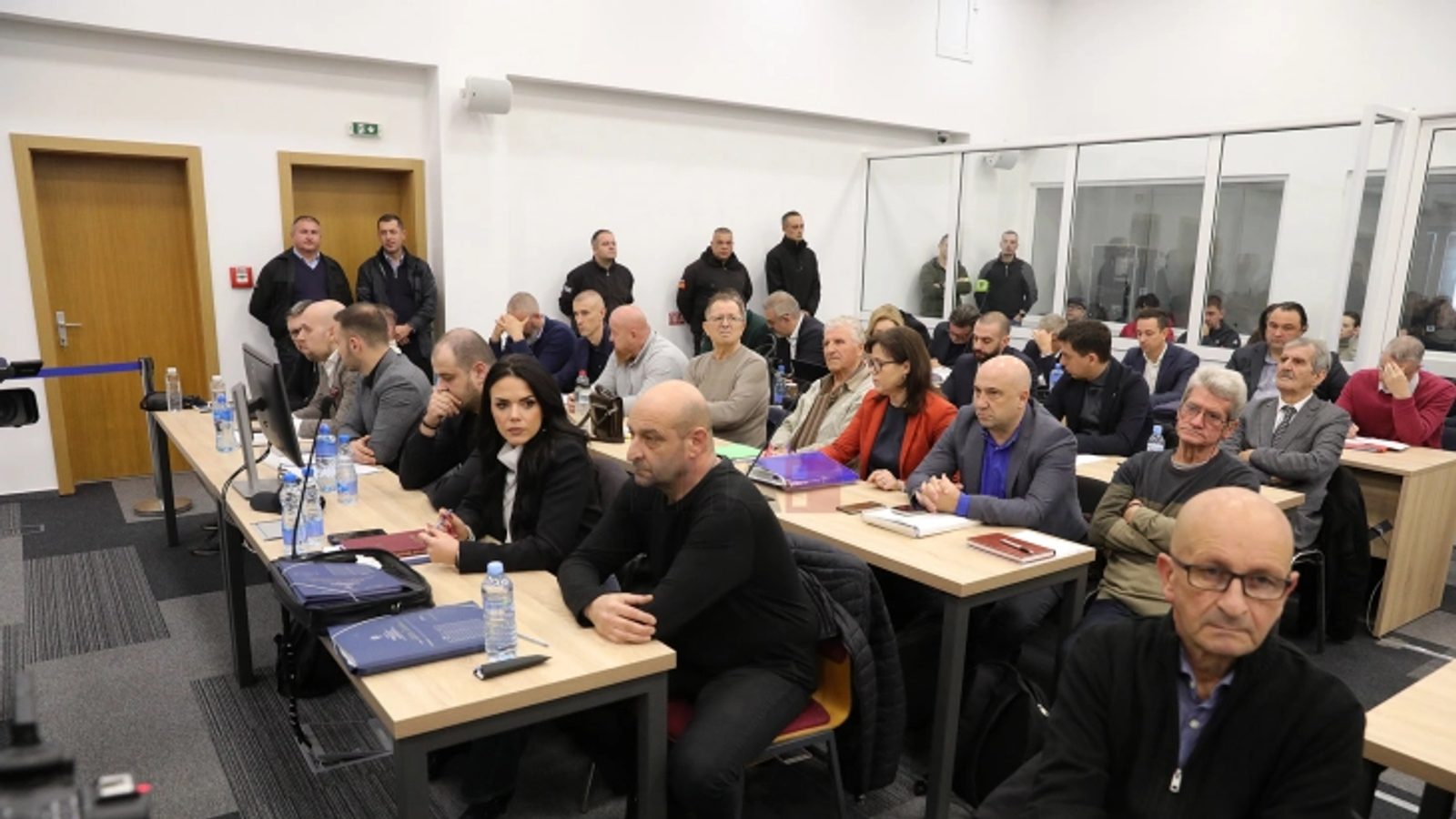
Two expert witnesses told the Basic Court in Veles that the damage to the front-right wheel and its drive half‑shaft on the van involved in the October 16, 2024 crash was caused by an impact with the embankment, and not by a pre-existing defect, the experts said during the trial in which three workers died and four people — including the accused, Orce Dimitriev — were injured.
Experts reject defence explanation that the wheel broke before departure
"The damage to the undercarriage parts of the front right wheel, the drive half‑shaft, is the result of an impact with the embankment. I exclude the possibility that it broke before the impact. Its breaking is the result of a large axial force, again as a result of the impact, and in my opinion the breaking occurred as a result of the impact, not because of the torque transmitted by this half‑shaft. If the breakage of the half‑shaft had occurred during driving as a result of torque, it would not have had this appearance," said witness Dejan Brkovski, a mechanical engineer.
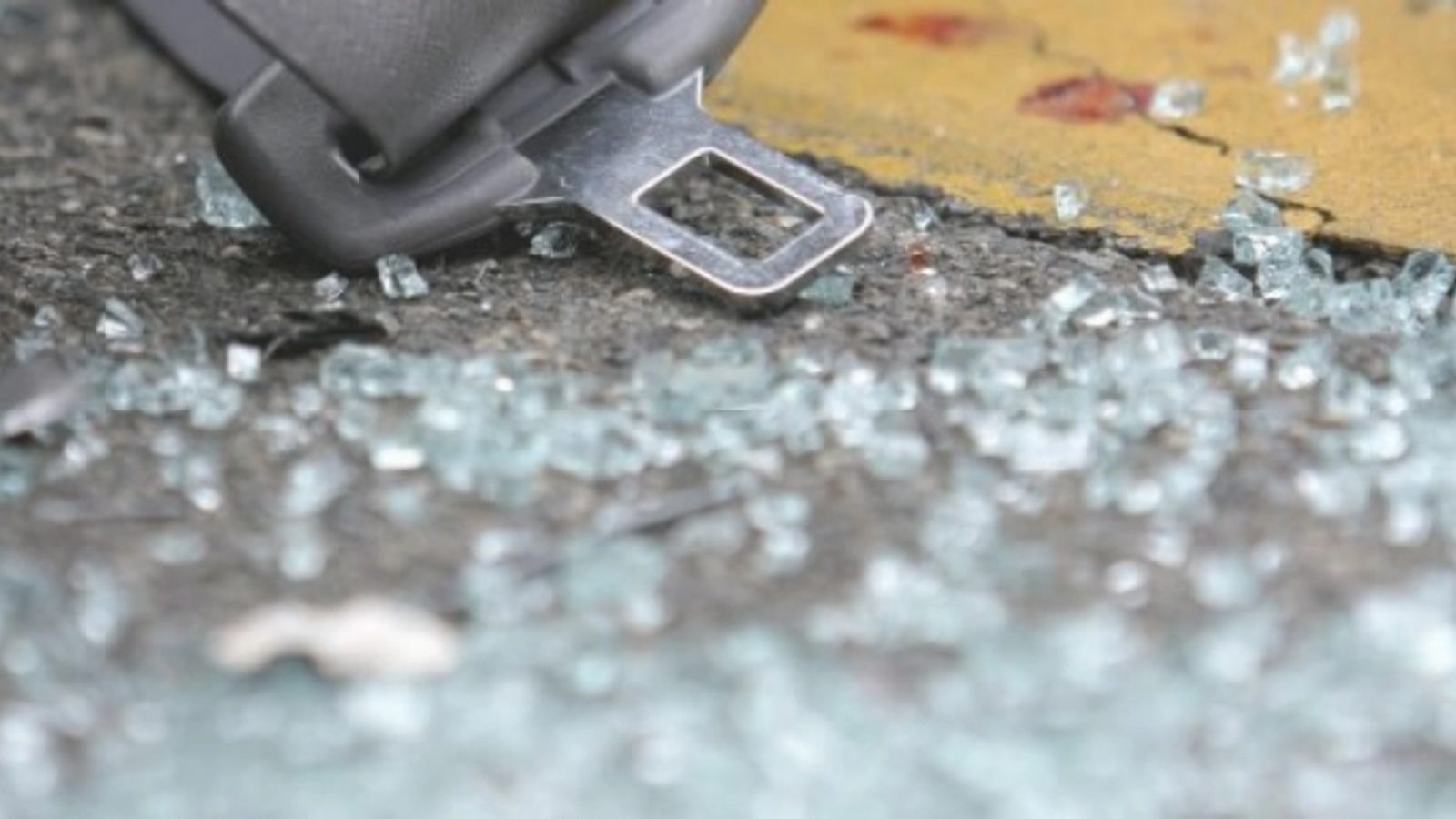
Traffic engineer Duško Pavlovski gave similar conclusions and also commented on the role of seat belts. "Such damage to the front right wheel could have occurred from an impact. For those reasons, it is excluded as a possibility that this damage happened before the vehicle's impacts with the embankment. Regarding the passengers who were not secured with seat belts, it does not provide maximum protection; it is designed to reduce the risk. That is not a defect that can cause an accident; not wearing a belt can influence the harmful consequences," Pavlovski said.
Pavlovski also explained why crime‑scene photos showed the van scraping on its right side in one image and later sitting on all four wheels in another. "The vehicle had been overturned toward the roadway on its right side, and then set upright on its wheels, because those present noticed that there was a passenger underneath it. That was the third deceased, so people righted the van onto its wheels to reach the body," he added.
At the same hearing the accused, Orce Dimitriev, described the working conditions and his version of the crash. He said he had worked for the company for four years as a locksmith and often performed long shifts at height. "There was no schedule for who would drive the van. There was no one to drive the colleagues for some time, so we were alternating with the now‑deceased Angel. We had no obligation to inform anyone that we had finished work and were returning home to Veles. On the critical day we went via Jurumleri. I joined the highway, it was already getting dark, it was the end of October. None of the passengers were fastened with seat belts. Later in the drive I noticed that something was happening with the right side of the van. It was pulling me toward the ravine. Instinctively, so that we would not fall into the ravine, I turned left and that's all I remember. I suffered a serious bodily injury, my right hip came out of its socket. The van had previous defects, there had also been an accident. I braked before Veles. The door had fallen off me. The company did not take it to an appropriate mechanic, but repaired it primitively. Many times I asked for another vehicle, the bosses refused on the grounds that it was suitable for driving between two towns," Dimitriev said.
Dimitriev's statement that he drove the van both on the outbound and return journeys drew audible reactions in court from relatives of the dead and injured. Those relatives had earlier testified that Dimitriev had removed Angel from the driver's seat without need or instruction so that Angel would sit and drive. Dimitriev said colleagues did not protest while he drove, although on previous hearings injured parties and other witnesses said they had reported him to the company several times.
Prosecutors charged Dimitriev with serious offences against road safety, alleging that he acted intentionally. The indictment states that he failed to observe traffic rules and endangered public traffic, committing errors and driving at about 104 km/h where the limit was 70 km/h, and that he drove under the influence of psychotropic substances and lost control of the vehicle; blood and urine analyses showed the presence of such substances in his system.
The crash occurred on 16 October 2024 at 17:35 on the Skopje–Veles highway near the Katlanovo tunnel. Reporter: P. Pechkov.
Photo: SDK:MK)