Sunday to remain a day off — Minister Besar Durmishi rejects change
The Economy and Labour Ministry says Sunday will stay a non-working day; proposals from the business community would be examined in the Economic‑Social Council.
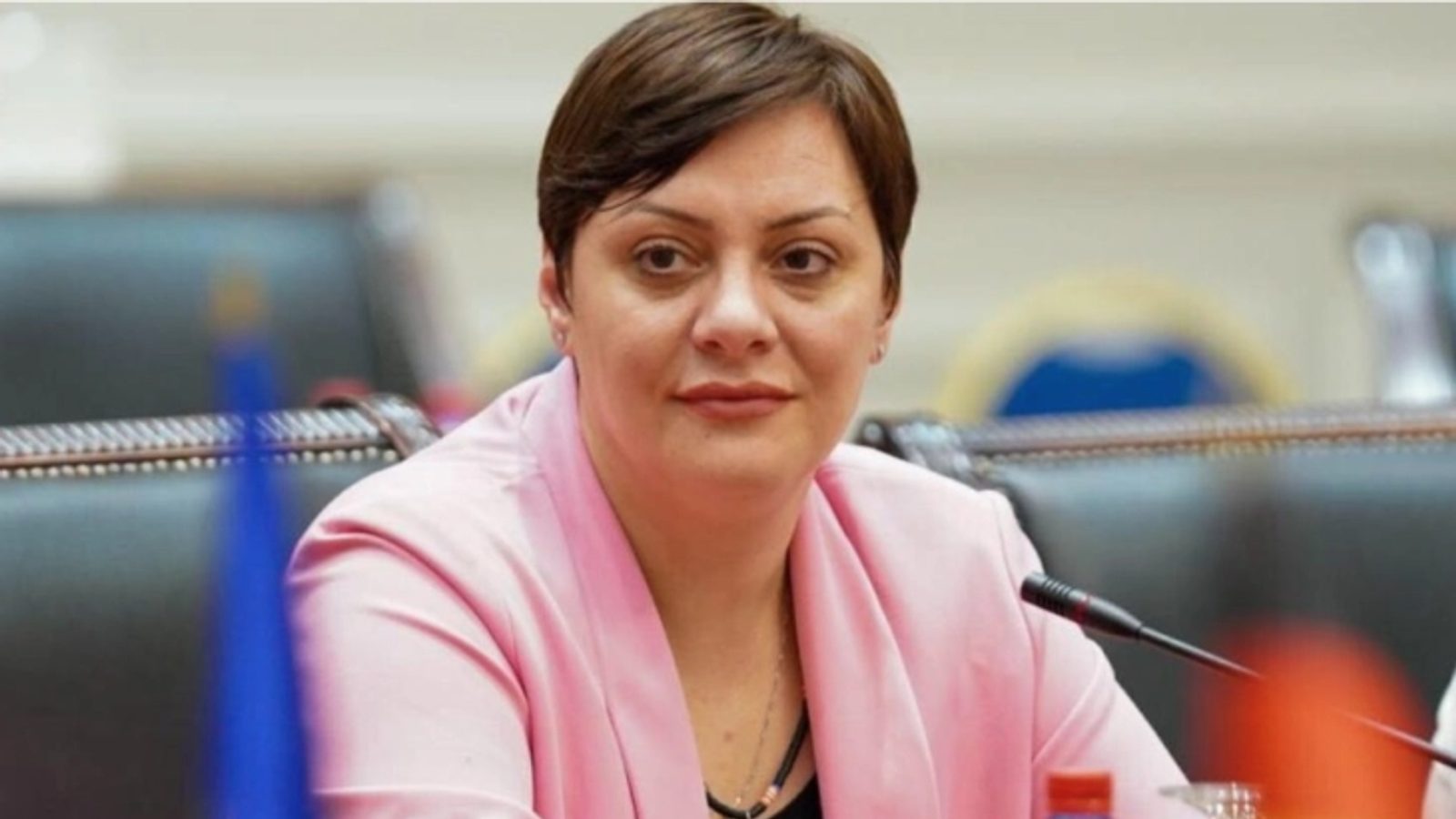
The Government of North Macedonia has no plans to change the status of Sunday as a day off, Economy and Labour Minister Besar Durmishi said on 27 November 2026, dismissing proposals to make Sunday a regular working day. Durmishi gave the statement after answering a parliamentary question from Borche Cvetkov (SDSM) on 26 November.
Durmishi underlined that any proposals coming from the business community would be examined inside the Economic-Social Council, but that the ministry’s position is firm: Sunday should remain a non-working day for citizens except in sectors where the nature of the work requires activity on that day.
He told MPs: "Whenever the topic is opened it will be discussed. But for Sunday not to be a day off, we are against that, we have said it several times. So Sunday remains a day off for all citizens. If such a request comes from the Chamber of Commerce, of course it will be opened in the Economic-Social Council and discussed. There are 12 members there and each will express their stance. Our position as the ministry is that Sunday remains a day off, except in some sectors where it is necessary to work on Sunday, but Sunday is a day off for all citizens," Durmishi said.
The minister also stressed that in the past two and a half years not a single acquired labour right had been revoked and that the government has worked to improve conditions and raise wages in several sectors. "Not a single right that has been achieved for employees has been revoked. The rights that have been achieved in our country, whether in the public or private sector, we have respected them and gone further, to have them respected even more, to improve conditions, and to increase wages," he said.
The debate resurfaced after Deputy Minister Marjan Risteski voiced a personal view suggesting the subject deserves broader discussion. "We have a fragile economy. If you ask me — why not? It is an unfair arrangement, not only for employers, more so for unions and employees. If a much higher daily pay is paid on Sunday, why should we deny the right of someone who wants to work on Sunday to earn a larger income?" Risteski said, noting he spoke as an individual and that the issue should be addressed within the Economic-Social Council.
Trade unions and civic groups reacted immediately. Slobodan Trendafilov, president of the Union of Trade Unions of Macedonia (SSM), posted that the union will strongly oppose any cuts to workers' rights: "SSM strongly opposes intentions to cut workers' rights and will not allow workers' rights to become a subject of bargaining with the bosses." The association "Glasen tekstilec" also reminded the public that Sunday as a day off is the result of long-standing union and civic struggle.
Background
Sunday became a statutory non-working day for about 92% of employees from 1 January 2022, with exceptions for activities where work cannot be stopped. A later challenge to that legal change was dismissed by the Constitutional Court, leaving the rule in place for the majority of workers. Any formal initiative from the business sector would, Durmishi reiterated, be referred to the Economic-Social Council for debate among its members.
Photo: press material from the event