Joining the EU won't automatically ban home rakija or household pig slaughtering — what would change
Neighbouring examples show backyard distilling and household slaughter can continue under EU-aligned excise, hygiene and record-keeping rules.
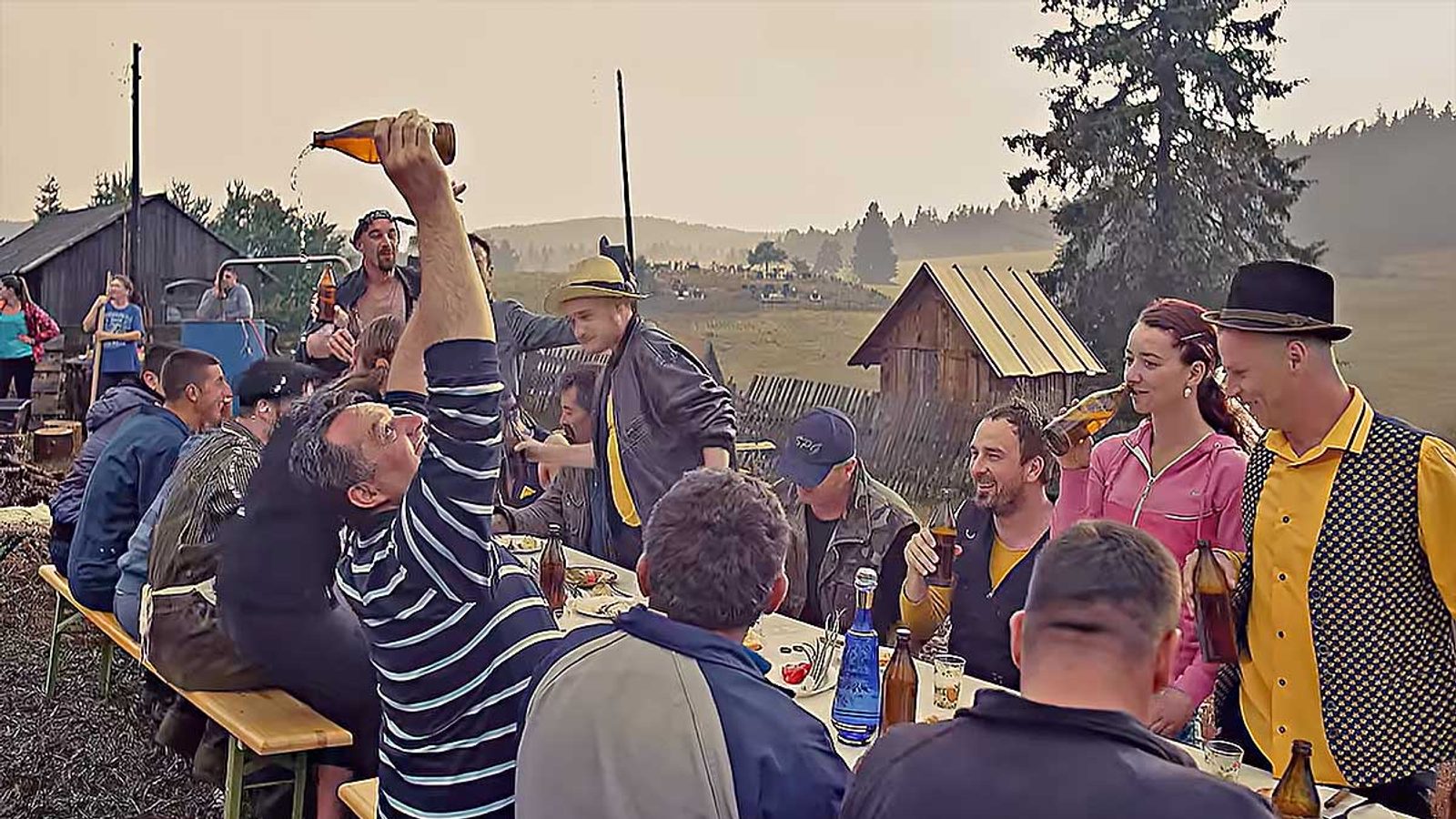
Talk of North Macedonia joining the European Union often raises the same worry: will Brussels outlaw backyard rakija stills and household pig slaughtering? The short answer, judging by neighbouring countries, is no — but the practices would be subject to clear EU-aligned rules on excise, hygiene and record-keeping.
What neighbouring examples show
Croatia, a member of the EU since 2013, kept its tradition of home distillation and household pig slaughtering while adapting national law to European rules. Following a Council of the European Union directive from 2020, member states may exempt households from excise duty or apply a reduced rate when fruit brandy is produced for personal use.
Under Croatian law, aligned with EU legislation, each household may produce up to 50 litres of rakija per year from its own fruit (including fruit from land under lease) without paying excise, regardless of alcohol strength. That alcohol may be served to family and guests, but sale is strictly prohibited; larger quantities trigger ordinary tax rules.
Rules on home slaughter are governed at EU level by Regulation 1099/2009 on the protection of animals at the time of killing. Households are allowed to slaughter healthy pigs on their registered holdings for personal consumption, but the animal must be stunned beforehand and the slaughter carried out by a suitably trained person. Meat, offal, fat and sausages are intended solely for household use and may not be sold. In areas affected by African swine fever, home slaughter can require notification to an authorised veterinarian at least 48 hours in advance or be temporarily banned under protection or surveillance measures.
Bulgaria offers a contrasting, more contentious example. After joining the EU, steps to introduce excise duties and obligations to register stills and quantities sparked mass protests, road blockades and petitions with hundreds of thousands of signatures. Recent draft amendments in Sofia would allow households to produce up to 30 litres of rakija without excise, but impose tighter limits on where that product may be possessed — potentially banning bringing home-made rakija into restaurants, hotels or other public premises.
For North Macedonia, none of these foreign rules would be imposed automatically. How many litres a family could distil without excise, how stills would be registered and under what conditions a traditional svinjokol could take place would be determined by domestic legislation and the choices made when harmonising national law with EU directives. It is unlikely that household stills and winter preserves would disappear overnight after accession, but private production and any black-market sales would become strictly regulated by law.
Photo: press material from the event