Foreign workers fill many of Germany’s unpopular shortage jobs
Around nine million people work in shortage occupations in Germany; more than one million are foreign-born and demand for immigrant labour is expected to rise.
About nine million people in Germany work in occupations that authorities classify as shortage jobs, and more than one million of them come from abroad — a share that has doubled over the past ten years, according to recent counts. In several of the hardest-to-fill professions, foreign nationals already make up a remarkably large portion of the workforce.
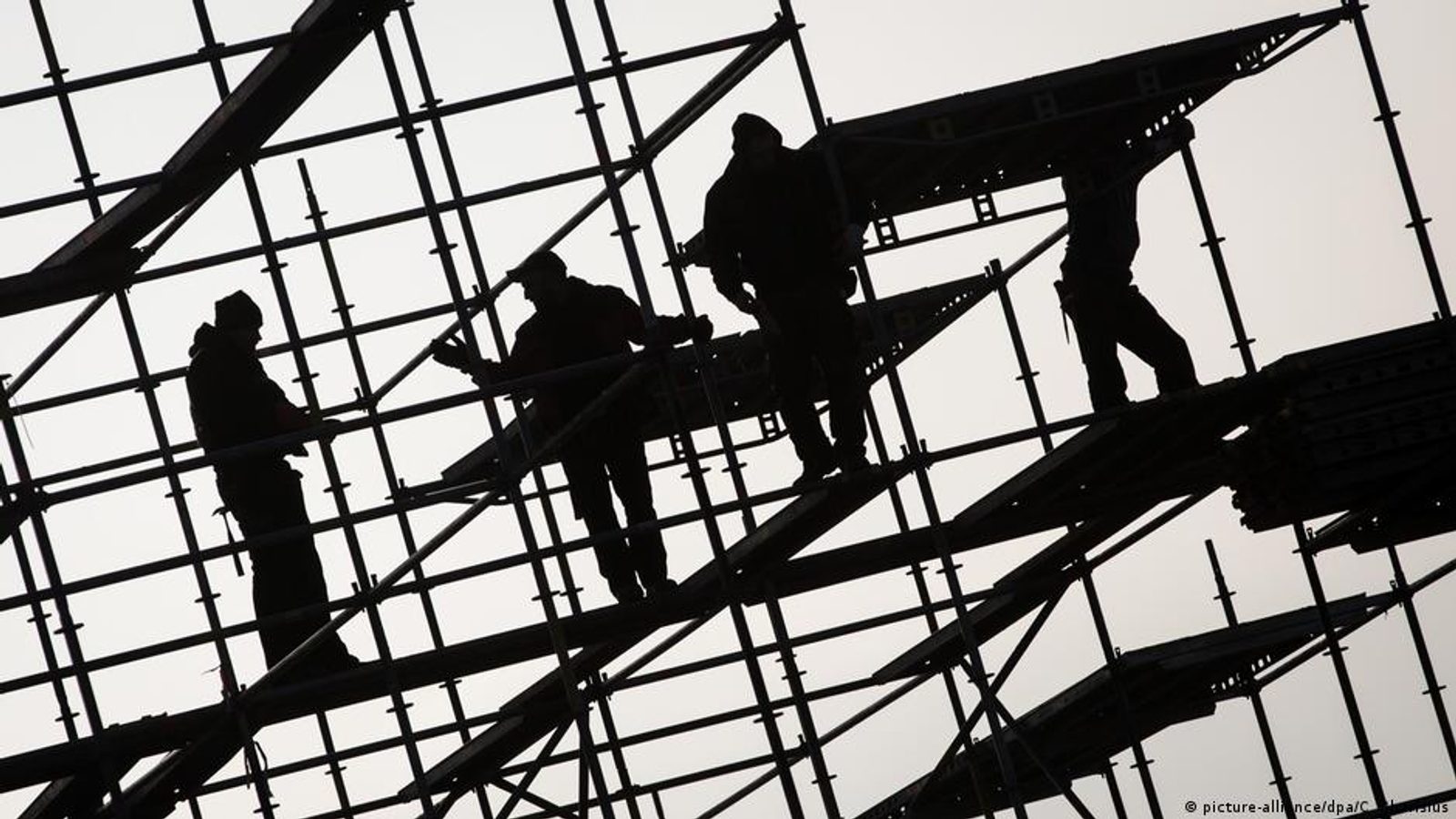
In fields such as logistics, system catering and scaffolding assembly, every third employee in some trades is a foreigner. Specific examples include truck drivers, scaffold fitters, floor layers and building facility cleaners. In system catering and meat processing the foreign share rises to roughly 60 percent.
Member of the Bundestag Pascal Meiser (The Left) warned that demand for foreign labour is likely to keep growing. He said: "The federal government, in response to our request, projects that the need for workers from abroad will increase significantly in the years ahead. That, incidentally, is not at odds with the fact that people who are already here still need training and must receive appropriate education. And they are urgently needed. But in any case there is a growing need for additional labour."
Why native workers often do not choose these jobs
Employers and politicians point to the nature of the work and pay as key reasons why many German citizens avoid these roles when they can choose. As Meiser put it: "Many people with German citizenship, who have the option to choose, think three times before they want to work in system catering — i.e., at McDonald's and similar companies — or in the meat industry. These are extremely hard jobs which, unfortunately, are often associated with poor working conditions and partly low pay. That must be urgently addressed if we want people to stay here, rather than leave again after a short time."
Federal authorities also note demographic change: population trends mean that eastern Germany will require comparatively higher net immigration in the coming years than the western states. Policymakers say this strengthens the case both for training people already living in Germany and for recruiting more workers from abroad to fill persistent gaps.
Photo: press material from the event