Elevation of the Holy Cross: autumn Cross Day on September 27
September 27 marks the autumn Elevation of the Holy Cross, a day of fasting, blessings of basil and folk weather omens.
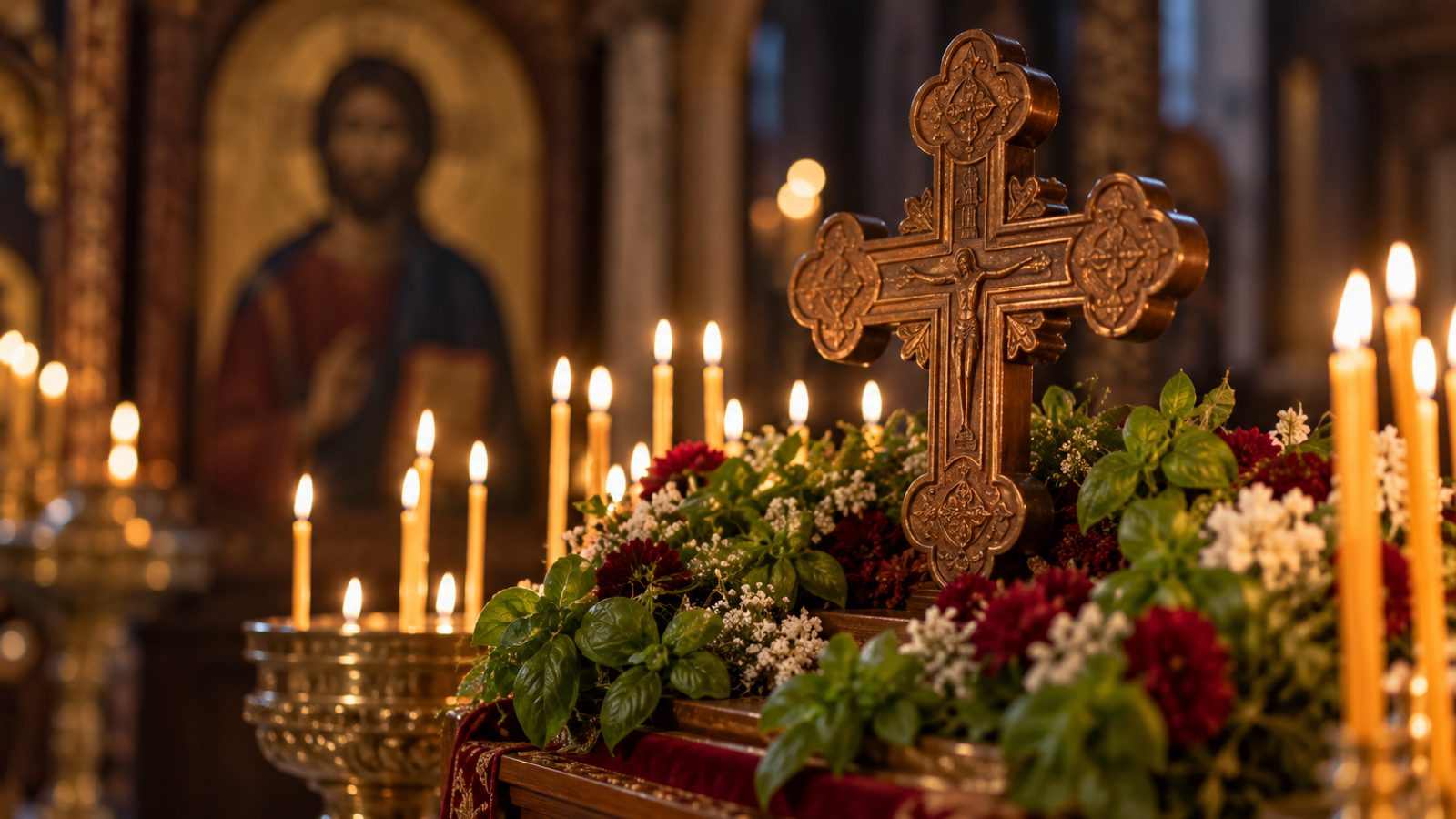
Orthodox Christians mark the Feast of the Elevation of the Holy and Life‑Giving Cross on Sunday, September 27. Known in popular tradition as the autumn Cross Day, it is one of the principal feasts dedicated to the Cross of Christ and in many households is celebrated as a domestic slava.
History and public customs
The feast commemorates two episodes from Christian tradition linked to the Cross: the discovery of the Cross in Jerusalem during the time of Emperor Constantine the Great and his mother, Saint Helena, and its later return to Jerusalem after having been taken to Persia.
According to church accounts, Saint Helena travelled to the Holy Land in the fourth century in search of the Cross on which Christ was crucified. Excavations at Golgotha uncovered three crosses. Patriarch Macarius of Jerusalem helped determine which of the three was the True Cross — tradition says a miracle occurred when one of the crosses touched the sick, revealing itself as Christ’s Cross, and the patriarch then raised it high for the people to venerate.
The feast also recalls an episode from the early seventh century, when the Cross had been removed from Jerusalem during the Persian conquest and later returned after the Byzantine Emperor Heraclius defeated the Persians. When Heraclius attempted to re‑enter the city wearing splendid imperial robes, he could not proceed until Patriarch Zacharias reminded him that Christ had carried the Cross humbly; the emperor then removed his lavish garments and carried the Cross in simple attire.
In church practice the day is observed with a strict fast, observed regardless of which weekday the feast falls on. In folk practice some communities eat simple Lenten food and mark the day with bread and grapes.
Popular customs around the autumn Cross Day grew alongside the agricultural calendar. The day was often a turning point between summer and autumn: seasonal fieldwork was completed, labour arrangements settled, and households began preparations for the colder months. Basil plays a special role in folk ritual — it is gathered, blessed and kept in the home as a sign of blessing, health and protection.
Weather omens are another layer of traditional belief: cloudy conditions on the feast were said to predict a snowy winter, clear skies a cold and dry season, while a gentle rain on Cross Day meant a milder winter. Observers also read the behaviour of swallows; if they had not yet left, a less severe winter was expected. Despite these customs, for Orthodox believers the core of the day remains prayer, fasting, repentance and remembrance of Christ’s sacrifice. The winter Cross Day is observed on January 18, the day before Theophany.
Photo: press material from the event