Smoking in North Macedonia: law stalled, Klekovski pushes for December vote
Experts say smoking costs the state about €600 million a year; the health minister wants the anti‑tobacco law passed without amendments.
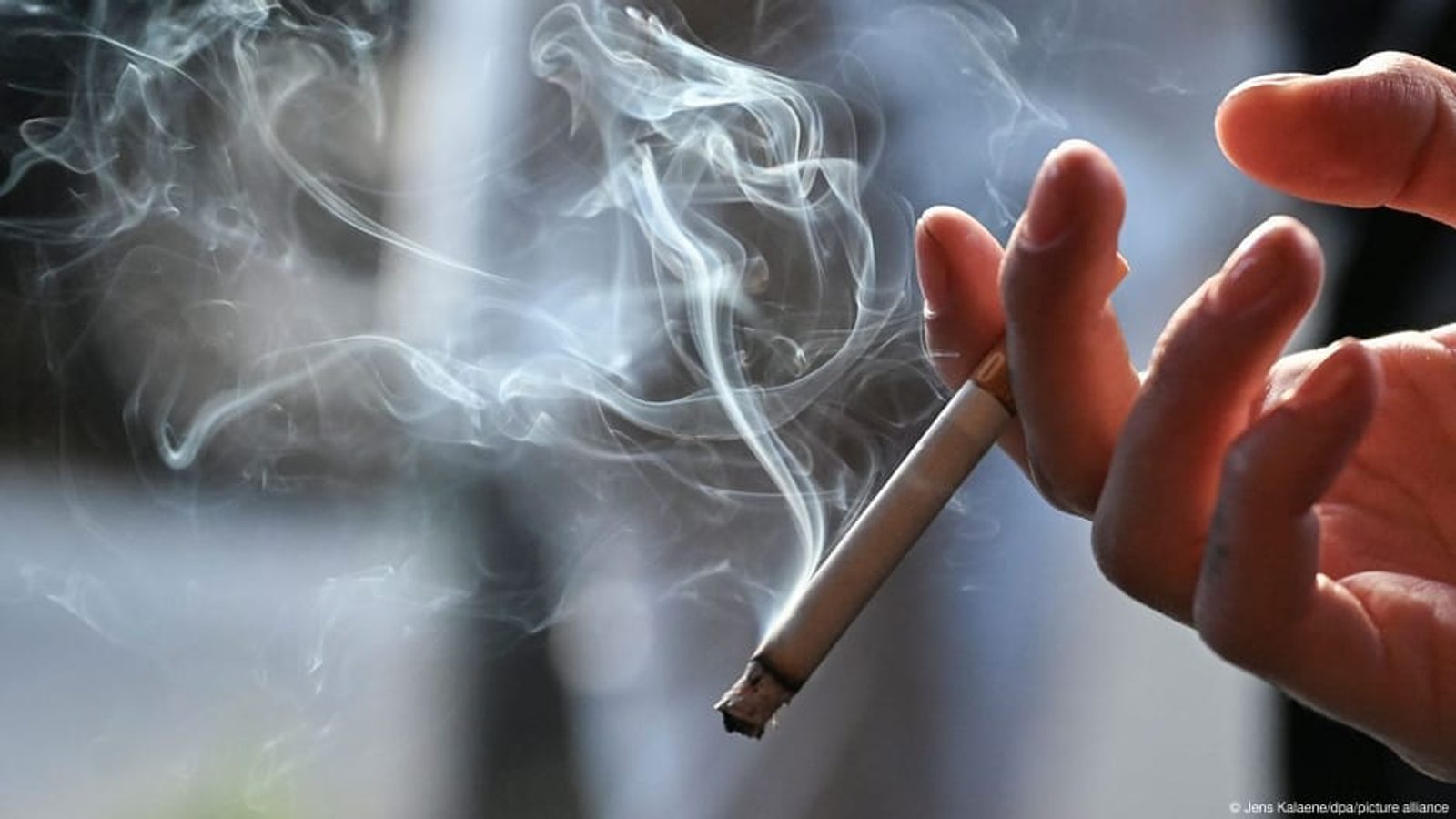
Alarming new figures presented at a public health conference on 28 November 2026 show that more than half of adults in North Macedonia use tobacco or nicotine products — and the state pays a heavy price. Experts said smoking costs the country roughly €600 million a year and urged faster adoption of stricter regulation.
The Analytica think‑tank reported that 54 percent of adults now consume tobacco or new nicotine products, and that smoking intensity has risen since 2020: over a quarter of smokers light more than 20 cigarettes a day, and nearly 40 percent smoke between 10 and 20 daily.
"That also endangers non‑smokers," said Akim Ali of the World Health Organization, who spoke at the conference. He warned that six out of ten people are exposed to tobacco smoke in restaurants, bars and social venues. Ali described the most effective measures as higher excise and retail prices for tobacco, expanded professional cessation support and special protection for young people. "Tobacco must become unaffordable for people. Young people and those who already use tobacco should stop and think before reaching for money in their pocket to buy tobacco," he added.
Health minister: law should pass unchanged
Health Minister Sasho Klekovski told the conference he expects the new Law on the Protection from the Use of Tobacco or Related Products to be adopted in December. The bill — approved by the Government on 2 June 2026 — is stalled in parliamentary procedure and would introduce significantly tighter limits on smoking, including electronic cigarettes and nicotine devices, with a 12‑month transition period for hospitality businesses.
Some in the parliamentary majority have proposed amendments to allow "designated smoking rooms" indoors, a change Klekovski publicly rejects. "I expect the law to be adopted without changes and without the proposed amendments," he said. The minister also shared a personal estimate that the average smoker consumes at least 300 packs a year, costing more than €750; on cessation medications he said bluntly: "Whoever is willing to spend €750 on cigarettes can pay for quitting from their own pocket as well."
Parliamentary sources from SDSM say the bill is not being scheduled for a vote. "They are not putting it on the agenda at all for adoption. There are two or three amendments, and probably the government is under pressure from the Chamber of Commerce. But if they want to pass the law, they will pass it," said SDSM MP Oliver Spasovski.
VMRO‑DPMNE did not respond to requests for clarification. MP Bojan Stojanoski has said the party seeks a compromise and that committees are waiting for an additional legal‑expert opinion: "We are waiting for an additional expert‑legal opinion on the amendments. Most of those who must decide in the parliamentary committee filters are medical workers who do not have legal expertise, and they requested an additional opinion," he told a television programme.
The Health Insurance Fund warned that lung cancer — rising in incidence and primarily caused by smoking — is expensive to treat. Irina Lucevska said around 1,000 new lung cancer cases occur each year, and 781 of those (85 percent) are attributable to smoking. Modern oncology treatment for a single patient costs between €45,000 and €90,000 annually. "These 781 cases would not have had to occur if they had not smoked," she said, urging greater prevention and cessation campaigns. Lucevska noted that while a separate road‑safety project saves about 70 lives a year, anti‑tobacco regulation and campaigns could save roughly 800 lives annually.
Economist Borche Trenovski, a participant in the research, said that households with smokers spend about 30 percent of annual income on cigarettes. "Smokers cut spending on food, housing, education and health care to have money for cigarettes," he warned.
With political debate continuing in parliament, advocates say the choice is stark: adopt the law largely as drafted to reduce deaths and health costs, or delay and accept continued health and economic losses linked to high tobacco use.
Photo: press material from the event