Increase in stroke cases; Neurology clinic reports youngest patient was 16
Clinic reports increased stroke cases, low thrombolysis rates and outreach screenings that found widespread cardiovascular risk factors.
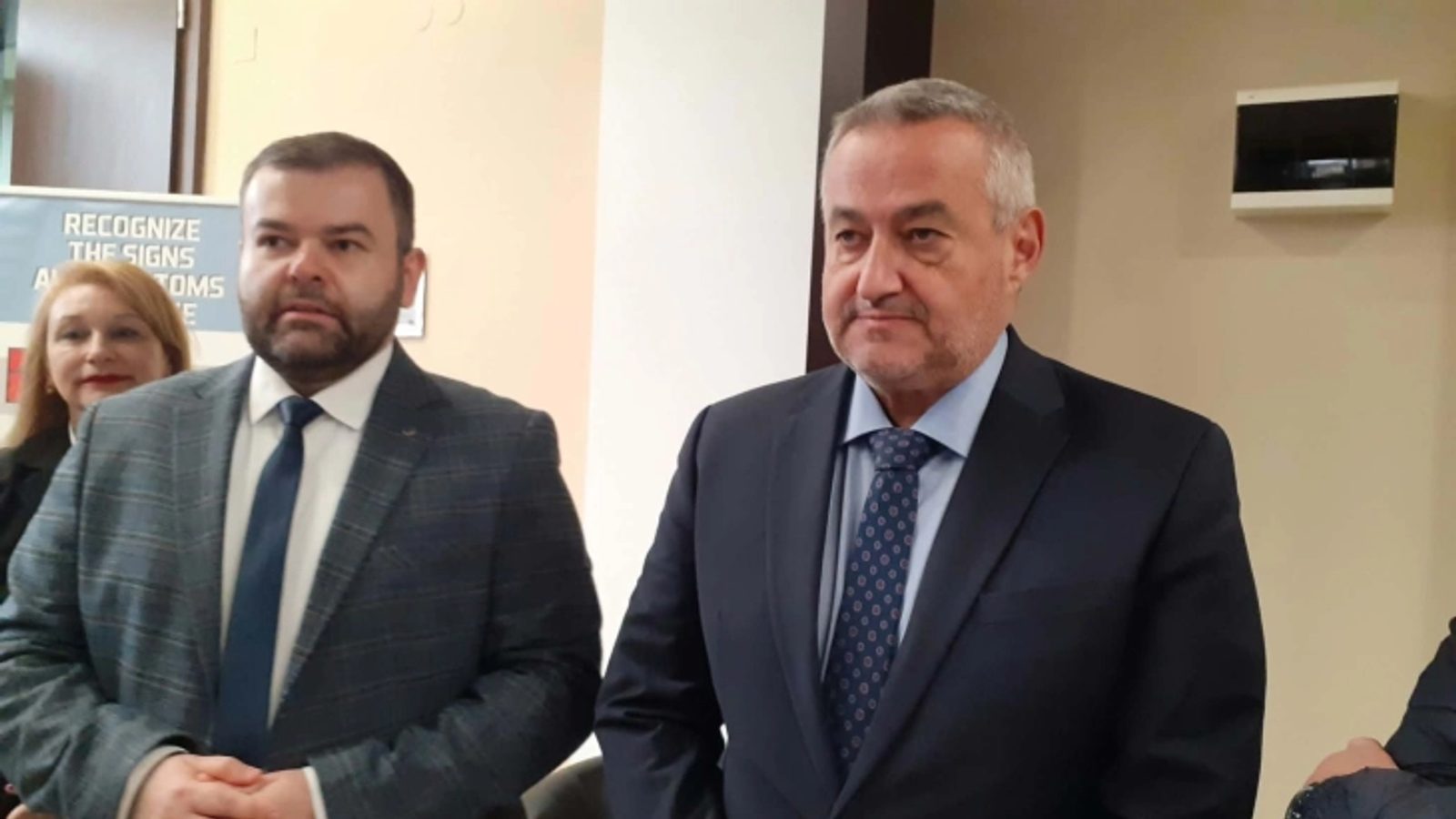
Annual stroke incidence in the country is estimated at 200–300 cases per 100,000 inhabitants, and the number has risen slightly over the past two years, the director of the University Clinic for Neurology warned on 29 October, World Stroke Day.
Dr. Jovan Bozhinovski said patients of all ages are affected, although most are older than 50 and those with uncontrolled risk factors. He also highlighted a worrying trend: “We had a 16-year-old patient, which should alarm us that everyone can, in fact, suffer this condition — a disease that is truly serious,” he said.
Low use of thrombolysis, delays remain a problem
Bozhinovski noted that only a relatively small number of patients receive thrombolytic therapy. “About a hundred patients a year at the Clinic receive such therapy, but that number should be much higher,” he said, adding that the treatment is available in only two or three other institutions in the country.
He explained the main reasons for the low treatment rate: many patients arrive too late — after the therapeutic window has passed — and some face transport obstacles that delay timely hospital arrival. “Patients come very late, after several hours when those therapeutic windows are already broken and it is an absolute contraindication to give any specific therapy, and partly because some of the patients, due to certain difficulties, may not be able to arrive on time and arrive later,” he said.
As part of wider outreach this year, the Clinic ran screening and field activities in several regional centres — Tetovo, Shtip, Ohrid and Kochani — and staged a public action on the plateau of Macedonia Square in Skopje. At that event 174 people were examined and 39 percent were found to have risk factors such as high blood pressure, elevated blood sugar or high cholesterol.
On 28 October the Clinic held an open day offering free carotid Doppler exams; 160 patients were screened and significant findings were identified in 40 percent. A 74-year-old patient was diagnosed with high-grade stenosis of both carotid arteries and was admitted immediately for further testing and possible treatment. Contacts were taken for those with abnormal results and they will be summoned to the Clinic the following week for additional investigations.
At the World Stroke Day event Minister of Health Sasho Klekovski stressed that improving care from prevention through tertiary services can extend life expectancy. “Macedonia, like the Western Balkans, has twice the premature mortality. Premature mortality is people who will die between the ages of 30 and 70 and the main contributors are heart and stroke events,” he said, urging better pathways for rapid diagnosis and treatment because the therapeutic window can be as short as one to four hours.
Klekovski welcomed decentralisation steps for multiple sclerosis therapy that began at the General Hospital 8 September and at hospitals in Ohrid and Shtip, with plans to include Tetovo, Prilep and Strumica. He also announced he would likely attend an event next week to mark progress on Parkinson’s and Alzheimer’s disease collaboration with the Clinical Centre in Ljubljana.
The Clinic’s leadership were praised for their work, and the Faculty of Medicine hosted expert lectures on the latest treatment advances and state-supported possibilities during the World Stroke Day programme.
Photo: press material from the event