Heat waves squeeze Parmigiano Reggiano — higher storage costs and credit risk
Heat waves have increased cooling bills and farm stress for Parmigiano Reggiano, creating risks for producers and banks that accept the cheese as loan collateral.
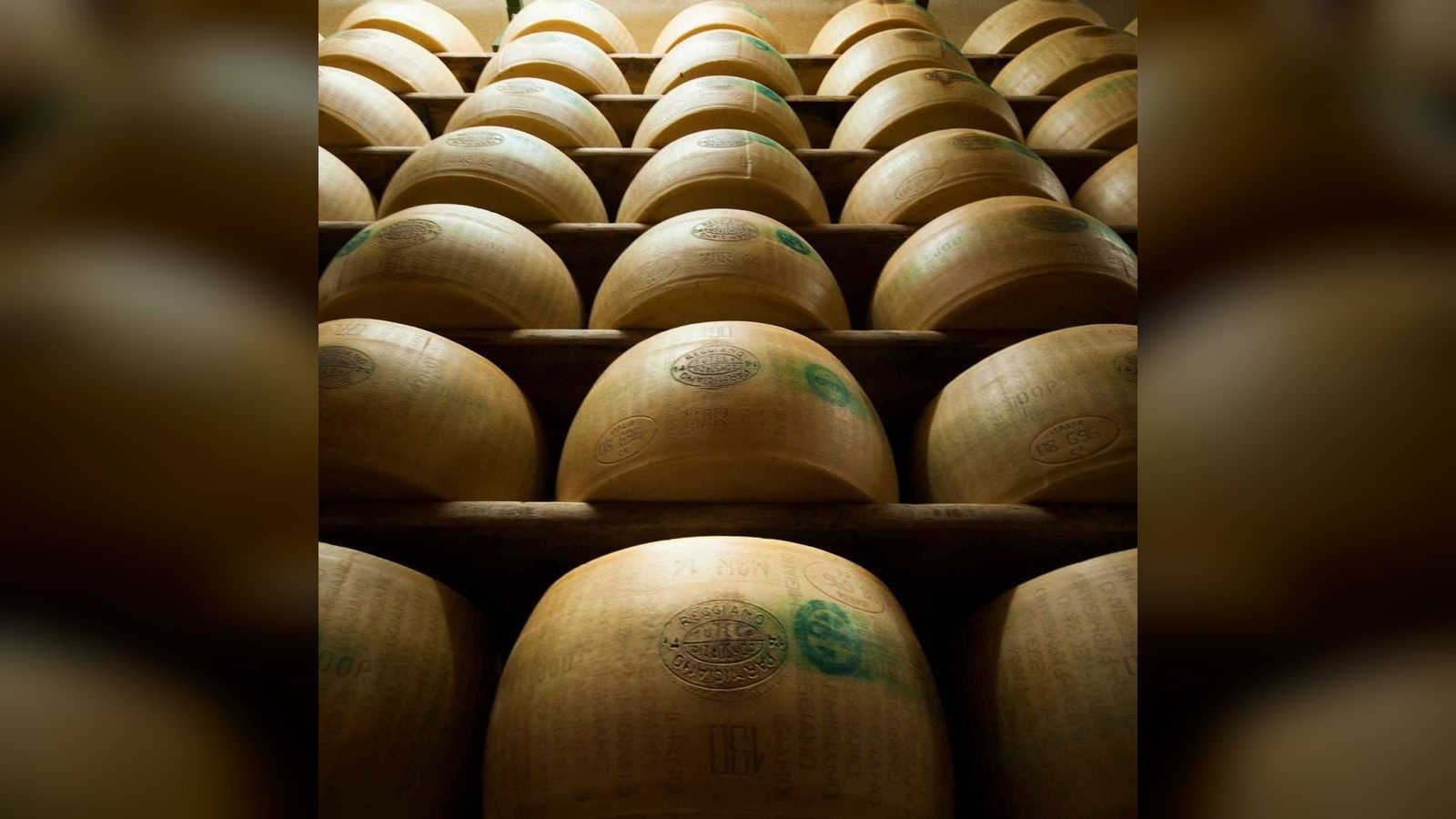
Heat waves in northern Italy are pushing up the cost of storing and ageing Parmigiano Reggiano, turning a long-standing local practice into a growing financial strain for producers and lenders.
Credito Emiliano (Credem) has accepted young wheels of the cheese as collateral for loans since 1953 and, through its subsidiary Magazzini Generali delle Tagliate, stores and ages large quantities in warehouses around Reggio Emilia and Modena. Those facilities currently hold more than half a million wheels with a total value in excess of €300 million.
From farm to bank
The arrangement lets producers receive between 60 and 80 percent of a wheel's value up front while the cheese matures — legally requiring at least 12 months, with the finest wheels often ageing two to three years before sale. But hotter summers are raising the bills: during the most intense heat spells electricity consumption for cooling the warehouses has increased by about 30 percent, prompting investments in more efficient cooling, better insulation and renewable energy production.
Temperature stress is also felt at the farm level. When temperatures climb toward 40°C cows eat less and become less active, which can reduce milk yields by up to 10 percent. That feeds directly into Parmigiano Reggiano production, which is tightly regulated: the cheese may be produced only in five Italian provinces and must be made from milk gathered according to prescribed rules. Droughts compound the problem by shrinking the supply of grass and hay used to feed the herds.
The economic stakes are large. In 2025 Italy produced about 4.19 million wheels of Parmigiano Reggiano, with an estimated consumption value of roughly €4 billion. The combination of falling milk yields, higher storage and cooling costs, and stricter product rules means extreme heat represents a financial risk across the entire chain — from farms and dairies to banks that accept cheese as collateral.
New technology offers partial relief: blockchain-based systems allow farmers to pledge wheels while leaving the physical cheese on their premises, enabling lenders to expand credit without moving every wheel into bank warehouses. Still, technology cannot eliminate the extra storage time and associated cooling costs — and the more frequently heat waves occur, the greater the cumulative financial pressure on the sector.
Photo: Instagram/ parmigianoreggiano