Zhivko Popov: Higher education is an investment, not a cost
On MANU Day, Zhivko Popov cited 2024 data on research staff concentration and warned about 2026 budget allocations.
Speaking on the occasion of the Macedonian Academy of Sciences and Arts (MANU) Day, MANU president Zhivko Popov argued that higher education should be seen as an investment rather than a cost. He warned that weak links between research and other parts of the system are undermining the country’s capacity to publish in respected journals and to strengthen teaching and research staff.
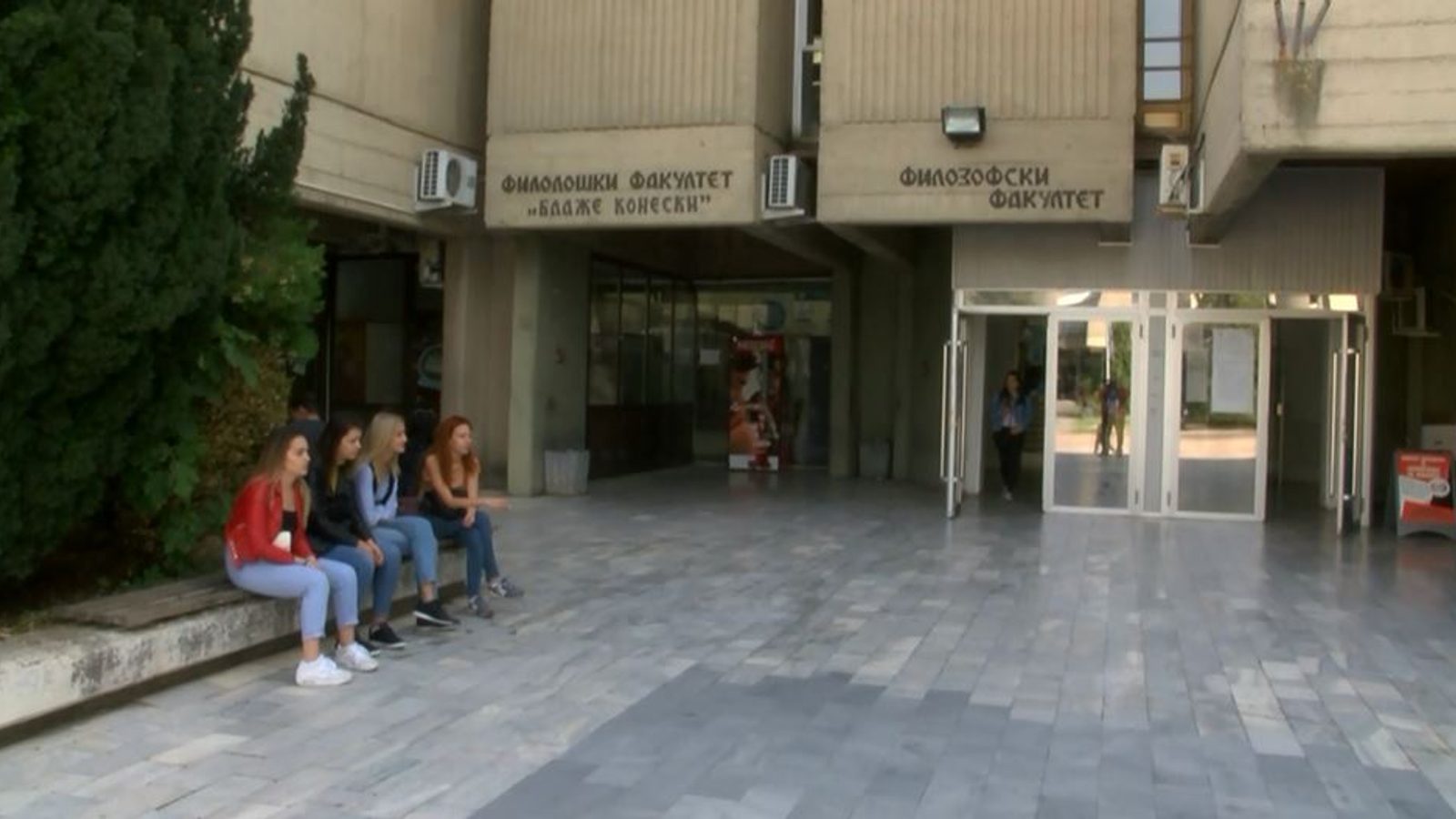
Popov cited data from 2024 showing a marked institutional imbalance: "2,675 of a total 3,532 employees in research and development work in the higher education sector," he said, noting that scientific work has been marginalised in institutions that should be its primary carriers — state research institutes and the business sector.
Finance deepens the imbalance, he said
The academy chief highlighted how the funding structure reinforces existing disparities. He pointed to the distribution of public spending, saying 68.5% of total costs are directed to higher education while only 7.6% go to the government sector.
On the budget for science in 2026, Popov stressed that 61.9% is earmarked for salaries and current expenses of scientific institutes, leaving just 36.2% for actual research projects. He warned this creates a paradox: institutions formally exist and employ highly educated staff, but their actual research productivity is limited by a lack of operational funds.
Popov also reviewed MANU’s programme for 2026 and pointed to fresh challenges amid rapid technological change. He called for a reassessment of priorities so that research receives the operational resources necessary to drive scientific, technological and cultural development.
Article by Nina Stefanova.
Photo: press material from the event