Why do cats push objects off tables?
Knocking items off surfaces is normal feline behaviour with roots in hunting, attention-seeking, sensory exploration and scent-marking.
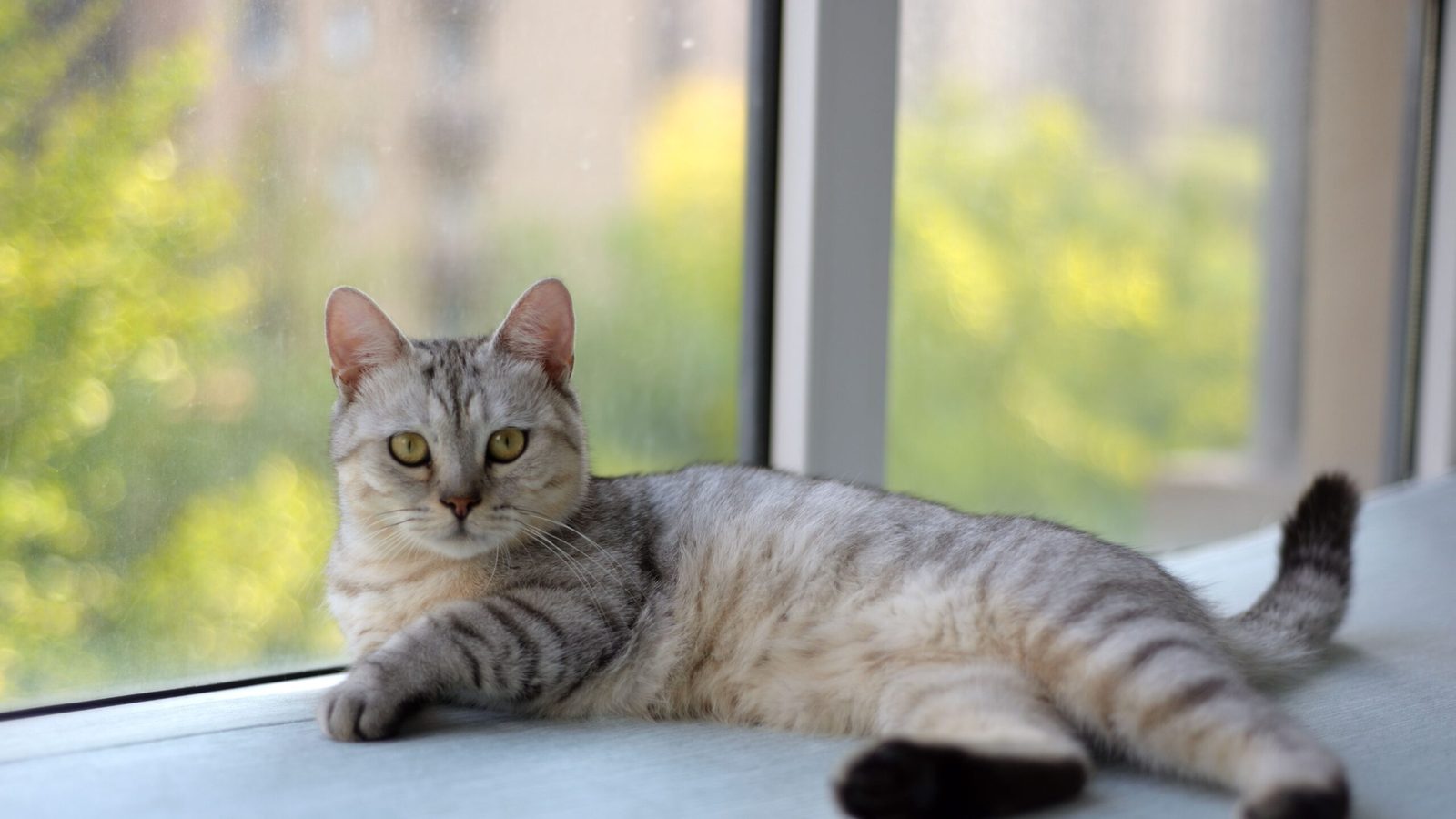
Almost every cat owner has seen the same little ritual: a cat fixes you with its gaze, raises a paw slowly, and with one precise swipe sends a glass, phone or keys tumbling to the floor. What appears as deliberate mischief has straightforward explanations rooted in feline behaviour and biology.
First, domestic cats retain hunting instincts from their wild ancestors. They often touch or bat at objects to check for movement—much like testing whether prey is alive and will try to escape. When a cat pushes a pen, lighter or small item toward the table edge, it is essentially probing the object as if it might respond.
Second, attention-seeking plays a big role. Cats are quick learners about cause and effect: if knocking something off a shelf reliably makes you get up, shout, pet, or offer a treat, the cat learns that the action wins a reaction. Even negative responses can be rewarding if they restore interaction.
Third, exploration and sensory stimulation motivate the behaviour. The pads of a cat’s paws are packed with nerve endings, so batting and pushing lets them assess texture, weight and balance. The sound and movement of an item falling and rolling across the floor is also entertaining—especially for cats that lack enough toys or environmental enrichment.
How to curb the habit
Punishment and yelling usually backfire: they raise the cat’s stress without teaching a better alternative. Better strategies are to remove fragile or valuable objects from edges, ignore the behaviour when it involves non-breakable items (so the cat doesn’t get attention), and give the cat more acceptable outlets for hunting and play—interactive toys, puzzle feeders and short play sessions that mimic stalking and pouncing.
Finally, remember that some of this behaviour is also territorial: cats have scent glands on their paws and leave subtle marks when they touch or move objects. Understanding these instincts—rather than treating the action as spite—helps owners redirect it into safe, enriching activities.
Photo: press material from the event