Why young people are leaving the Balkans — numbers, motives and whether money would bring them back
OECD records an average 133,500 departures per year; experts say functioning public systems matter more than cash handouts
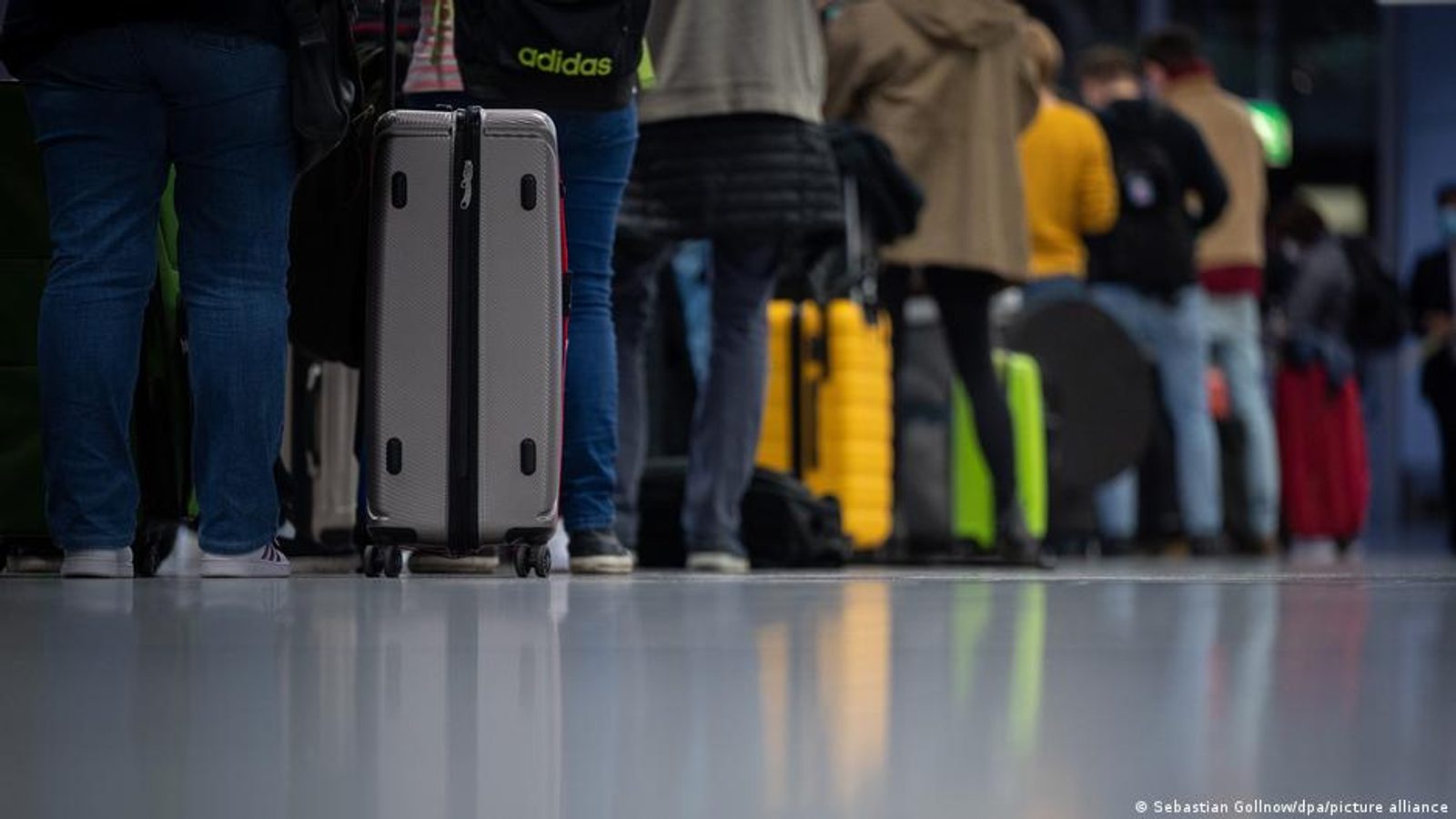
Every year tens of thousands leave the Balkans — and not always for purely economic reasons. Personal stories and recent international data show a sustained outflow of young people, while analysts say short-term cash incentives are unlikely to reverse the trend on their own.
Three men interviewed for this report — Mario (30), Mijat (29) and Matija (22) — come from different towns (Tuzla, Negotin and Zagreb), studied different subjects and work in different fields, yet they share one experience: they live abroad or are preparing to move. Matija, who has lived in the German city of Mainz since he was 16, described his reasons bluntly: "Why are people leaving Croatia? Nothing works there! Public transport doesn't work, kindergartens, there is no work, no apartments, everything is expensive. People want to live in countries that function, it's not just about money."
Numbers and patterns
International figures underline the scale of the phenomenon. The OECD database records an average of 133,500 people leaving the Balkans each year. For the period 2019–2023 — the latest years available in those statistics — more than 660,000 people emigrated from Serbia, Croatia, Montenegro and Bosnia and Herzegovina combined. Croatia registers the largest per‑capita outflow at roughly 47,000 people annually (about one in 80 residents, given a population near 3.8 million); Serbia loses an average of about 43,000 people per year, while Bosnia and Herzegovina sees roughly 40,000 departures annually.
Majlinda Bregu, secretary general of the Regional Cooperation Council, warned in 2023 that the Western Balkans could lose between one quarter and one half of its skilled and educated young people in coming decades, citing high unemployment, poverty and social exclusion as major drivers.
Demographer Vladimir Nikitović of the Institute for Social Sciences in Belgrade says the mix of motives has shifted over the last 30 years. He argues that for highly educated people non‑monetary factors rise in importance: "For highly educated people, who as a rule have higher expectations from life, quality of life and all those factors that are not exclusively linked to money or salary are very high on the list of priorities." At the same time, he notes, people in manual or lower‑paid occupations still often leave for economic reasons: "On the other hand, for people in other professions, who primarily perform manual work, where wage differences are often five or six times greater than in our region, it is perfectly logical that the economic factor remains decisive. Those who continue to leave are still the majority."
Recent political attempts to draw emigrants back differ across the region. Bosnia and Herzegovina has no nationwide return programme; in Serbia President Aleksandar Vučić announced subsidies for returnees at a campaign event in Svilajnac but did not specify amounts. Serbia currently offers administrative support and employment measures and a five‑year tax relief that reduces the tax base by 70 percent — "in other words, for the new taxpayer tax is calculated on only 30 percent of their income." Croatian Prime Minister Andrej Plenković has proposed larger packages counted in millions, including a five‑year income tax exemption and up to €27,000 for starting a business.
Policy experts interviewed for this piece say such financial offers can help but are unlikely to be decisive without deeper reforms. Nenad Jovetić, director of the Institute for Development and Innovation (IRI), said: "Salaries and incomes are important, but when it comes to the health or education of your children, if you can offer that to young people who previously emigrated — that would be the real thing." Nikitović agreed, calling many recent measures "political tricks, not measures that can really change the situation," and adding that "the majority of those people do not have enough trust in society, or in the state and the way the system functions. Therefore I think the financial incentive is secondary — it is much more important that people feel there is perspective and the possibility for advancement."
Mario, Mijat and Matija confirm money was not the primary reason they left: they want functioning services, institutions and prospects. Their message to politicians is simple and repeated in different words: fix the systemic problems and "we will return without any other incentives."
Photo: press material from the event