Why Russia is selling its gold now?
Moscow has sold significant gold holdings in 2026 to raise cash amid mounting defence costs; reserves are at their lowest level since the 2022 invasion of Ukraine.
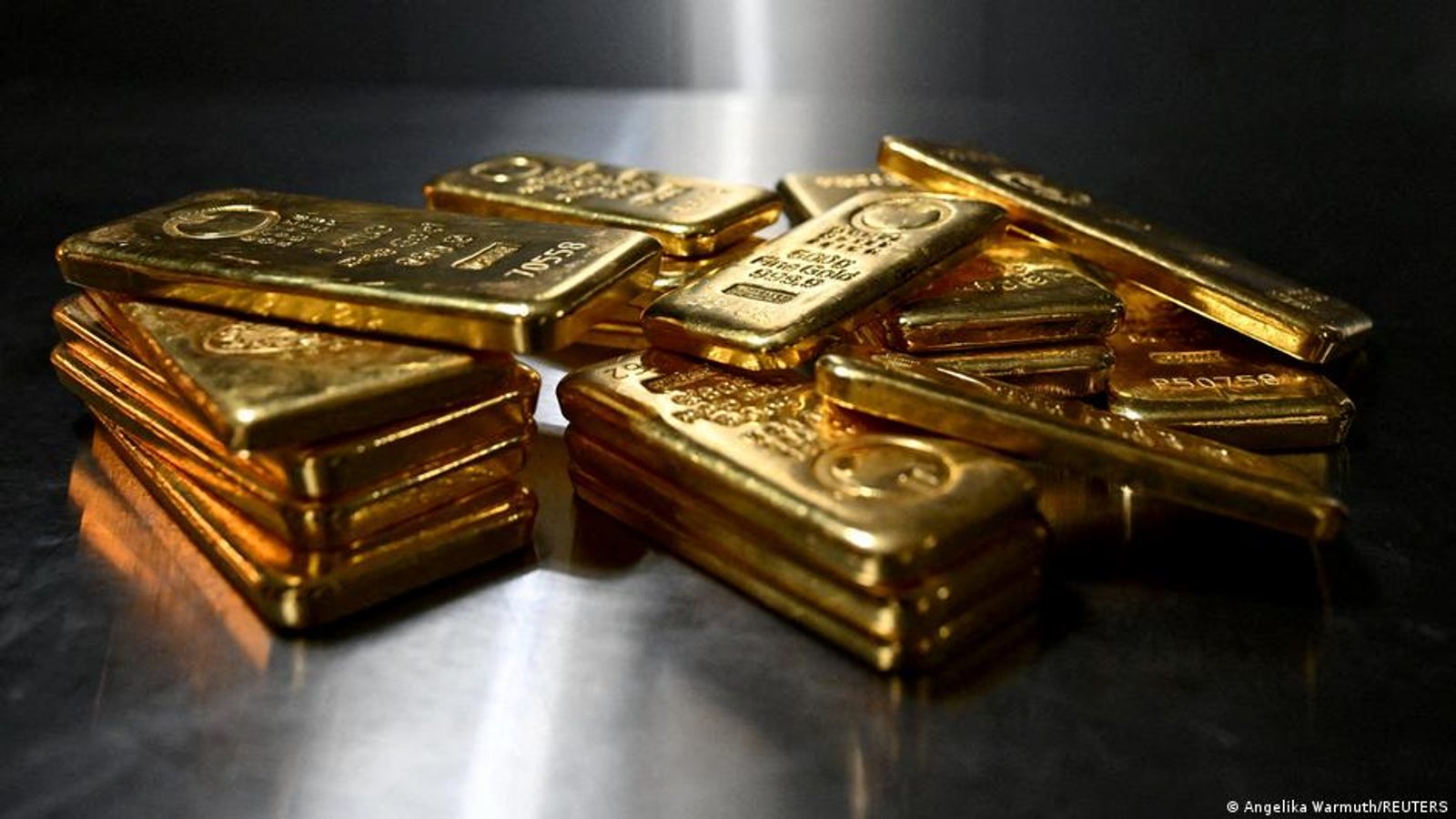
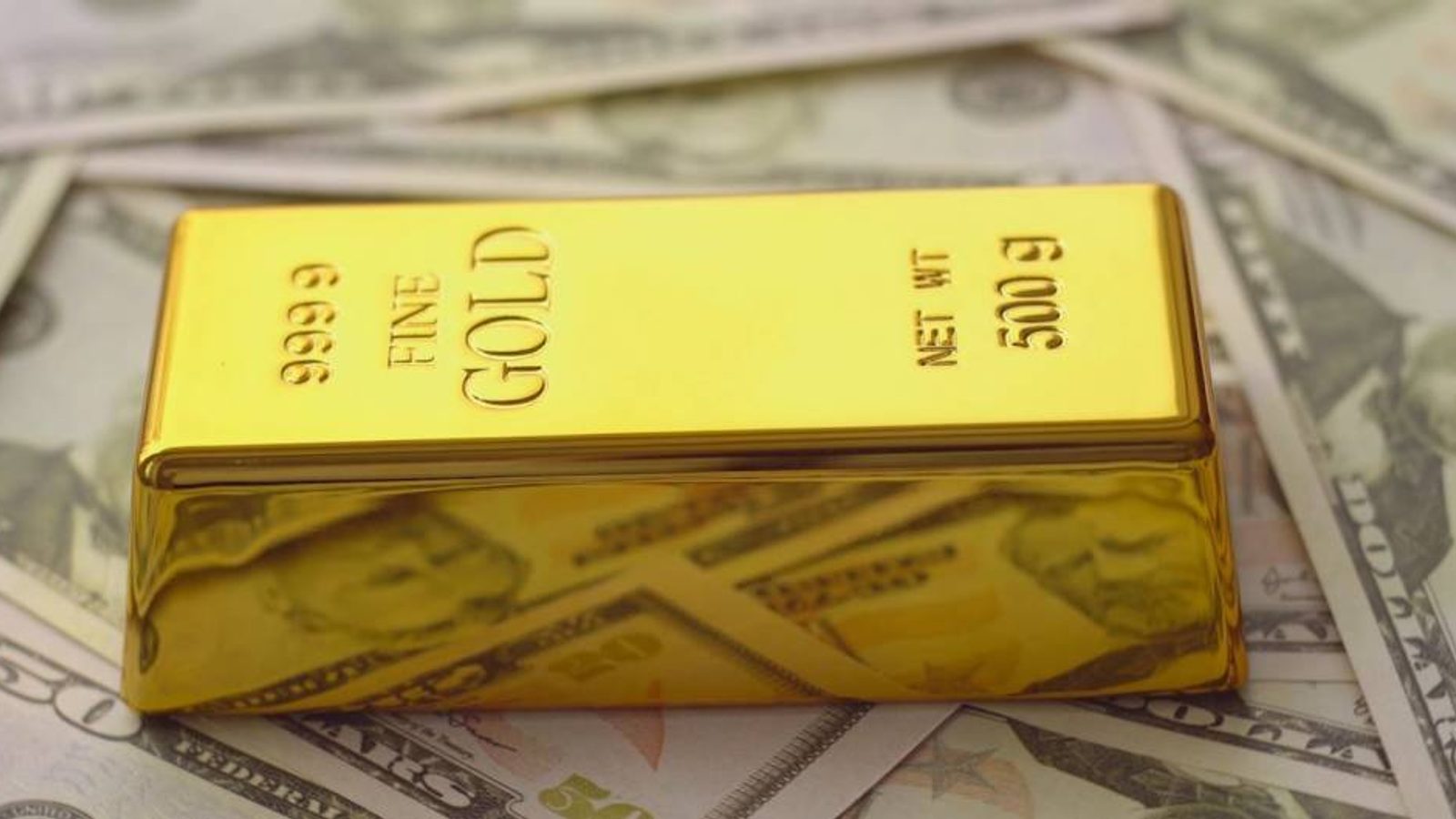
Russia has emerged as one of the world’s largest sellers of gold over the past 12 months as the Kremlin seeks cash to cover growing budget shortfalls. At the start of July, the Central Bank of Russia reported gold reserves of 73.4 million troy ounces — equivalent to 2,282 metric tonnes — a decline of roughly 43.5 tonnes since the beginning of 2026 and the lowest level since the full-scale invasion of Ukraine in February 2022.
Gold prices soared to record levels early in 2026, averaging about $4,800 per ounce in the first four months of the year before settling near $4,000 per ounce. Analysts estimate Moscow’s recent disposals of gold have likely raised more than $5 billion in proceeds.
Elina Ribakova of the Peterson Institute for International Economics warns that sales of gold signal pressure on other liquid assets: "The fact that they are selling gold means that they are running out of other more liquid assets."
How the sales fit into Russia’s fiscal picture
Russia’s budget has been strained by a steep rise in defence spending used to finance the war in Ukraine. Defence outlays have increased more than fourfold compared with 2021; in 2025 they reached about 16 trillion rubles (roughly $204 billion). The Finance Ministry reportedly warned earlier this year that overspending on the war could be at least $28 billion in 2026, with further overruns expected in 2027 and 2028. Government data indicate spending and the deficit might exceed official plans by more than one trillion rubles (about $12.85 billion) in 2026.
"This is an exceptional situation, but it is a relatively normal trend," says Kris Vifer, a financial analyst in Moscow. He notes the sales are being executed chiefly by the Ministry of Finance through the National Welfare Fund rather than by the Central Bank of Russia. "Since the start of 2022, gold was one of the assets the National Welfare Fund could buy, because US and German government bonds were no longer available due to sanctions after the invasion of Ukraine."
Vifer stresses that the National Welfare Fund exists to provide liquidity in hard times: "In that sense, it can be argued that the fund is fulfilling its purpose." He adds that the Kremlin does not want the liquid reserve to shrink because any visible depletion could fuel speculation about a financial crisis and weaken Russia’s geopolitical position. The fund is estimated at roughly $150 billion, of which about $50 billion are considered liquid.
Russia holds the world’s fifth-largest official gold reserves — comparable to China, France and Italy, and well behind Germany and the United States — and, as a major gold producer, can relatively quickly replenish reserves by purchasing from domestic miners. "Russia has an advantage," Ribakova says. "It produces its own gold. When it became worried about sanctions, some funds were redirected into buying gold, which it bought from domestic producers."
Both Ribakova and Vifer underline that financing of the war will ultimately hinge on energy revenues. Higher oil and gas receipts — partly driven in 2026 by elevated oil prices after the conflict in the Middle East — have so far helped Moscow offset some fiscal strain. "It all depends on that," Ribakova says. "When the price of oil is high, Russia generates revenue. It is easier to borrow and the domestic financial system is healthier. If the price falls to, say, $60 or $40, a crisis comes immediately."
Vifer believes that, at current pace, Russia may still manage to find funds and avoid an acute financial collapse in the next 12 to 24 months, but he warns of long-term economic damage and growing tensions within the government over the sustainability of the wartime financing model. "If the deficit continues at this pace, Russia can still find money and really will not be in any serious financial crisis or in a weak geopolitical position in the next 12 to 24 months," he says, "but it creates huge distortions in the economy and a long-term negative picture that begins to produce splits in the government."
Photo: press material from the event