Five-year warranty ended for 2021 fingerprint voting devices; DIK seeks funding and technical fixes
State Election Commission seeks solutions after five-year warranty on €11.2m fingerprint terminals ended.
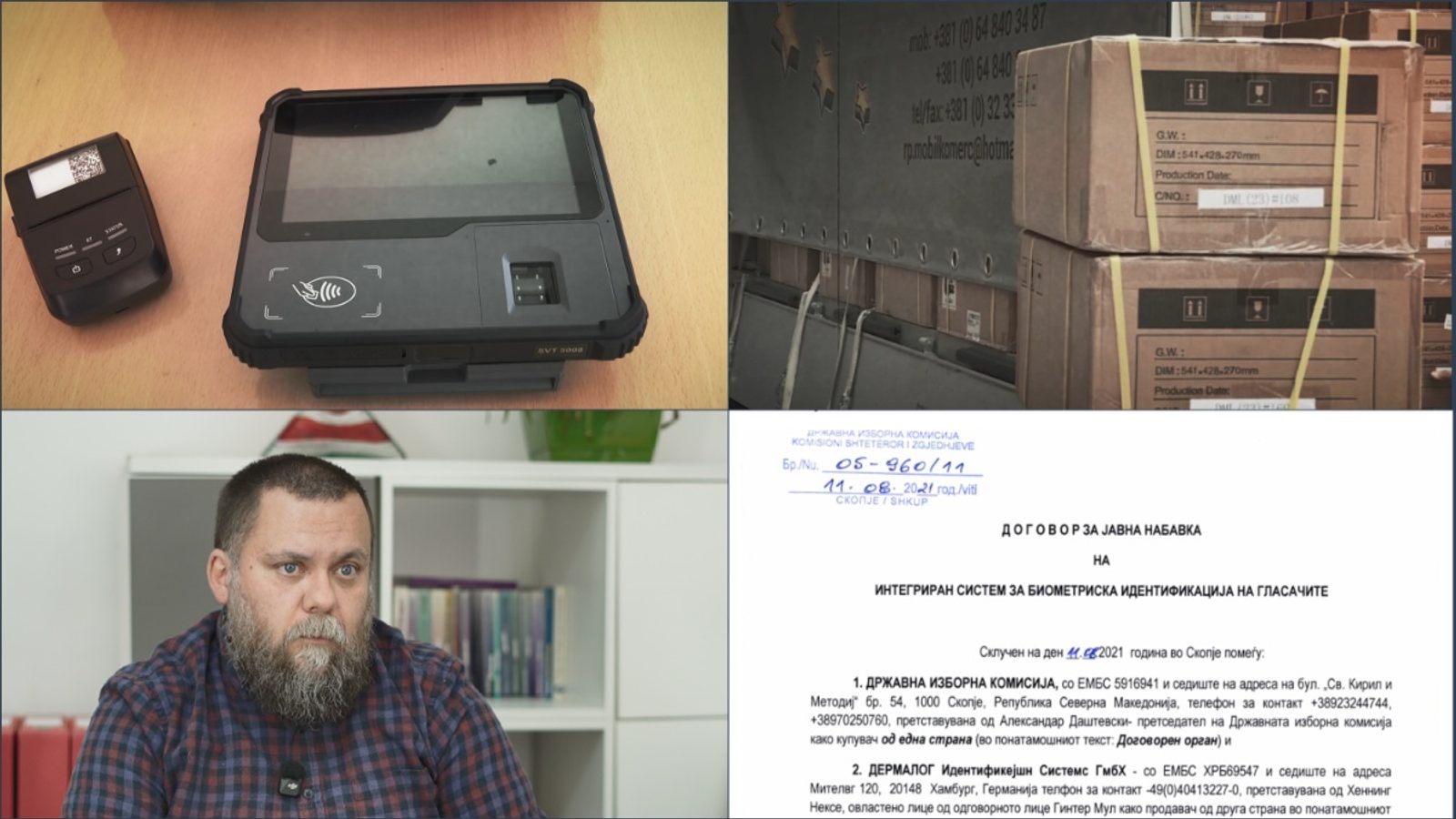
The five-year maintenance contract for the biometric fingerprint devices bought for elections in 2021 has expired, prompting officials to look for ways to keep the terminals operational after years of use and scrutiny. The devices originally cost €11.2 million and have been part of every electoral cycle since their introduction.
What was known at purchase and what was not planned
On October 18, during an extraordinary mayoral vote in Brvenica, election authorities deployed the biometric terminals to just 24 polling stations after the maintenance warranty ran out. "We saw there was no major delay, that there are intensive attempts, maybe once, twice, three times on some people whose UBIG device doesn't read immediately, but everywhere it runs without problems and without major delays," said Bojan Maričić, president of the State Election Commission, after visiting several polling places in Brvenica.
To make the devices usable for the Brvenica vote, the State Election Commission purchased software updates that cost €200,000 in a fast-track, single-source procedure with Dermalog because of the urgent circumstances. But the broader question remains: how to secure long-term functionality for all machines whose five-year support has ended.
Maričić said an independent team of IT experts has already conducted an initial assessment of both hardware and software, and that the Commission expects a final report from Dermalog in early November. "We expect at the beginning of November to receive the final report from Dermalog regarding the 60 months of implementation of the initial contract. Based on that we have informed the Government and the Ministry of Finance several times that money will need to be foreseen in the budget for this procurement. We still have not secured it," he said.
The Ministry of Finance replied that it is preparing the 2027 budget within the legally set procedure and that budget users submit their priorities and needs for next year, which will be considered according to legal procedures and budget possibilities.
Independent researcher Miša Popović of the Institute for Democracy criticized the handling of the 2021 procurement, arguing the Commission should have required clearer information up front about expected hardware lifetime and how long the vendor planned to support the devices with software. "Roughly speaking, you know how long a device can be used, especially such devices that have other uses and can be used longer-term and you can roughly know whether it lasts one year, five years, ten years in terms of hardware and in terms of how long the manufacturer plans to keep it alive with software support. All this should have been known in 2021," Popović said.
Popović added that public buyers can and should evaluate long-term ownership costs when comparing offers, and that when software is purchased it is preferable that the purchasing institution retains greater control over how it operates. He said the case should be a lesson for other institutions that buy equipment, especially those that depend on licenses and external software support.
Photo: press material from the event