2 August: How Europe Remembers the Genocide of the Roma and Sinti
2 August is dedicated to the victims — around 500,000 Roma and Sinti — and to a warning against contemporary antigypsyism.
On 2 August the Day of Remembrance is observed for the murders of approximately 500,000 Roma and Sinti during the National Socialist regime. That date is associated with the so‑called "liquidation of the Gypsy camp" in Auschwitz‑Birkenau and is also used as a warning against contemporary antigypsyism.
From local commemorations to pan‑European official recognition
The first organized commemoration on 2 August was held in 1994 at the Auschwitz Memorial at the initiative of Polish Roma organizations. It recalled the night between 2 and 3 August 1944, when the German National Socialists in Birkenau gassed, shot and beat to death the thousands of Roma and Sinti who had been imprisoned there; many had earlier died of starvation, disease and epidemics.
It took decades before the genocide against the Roma and Sinti was acknowledged in Germany and before 2 August gained broader official significance in Europe. At the initiative of the European Parliament, 2 August in 2015 became the European Day of Remembrance for the Holocaust of the Roma and Sinti; since then several governments have sent official representatives to Auschwitz to participate in commemorations.
However, most events are held within the countries themselves. Especially in Central and Southeastern Europe, where policies of extermination were often also directed against Roma, commemorations regularly link historical remembrance with current forms of antigypsyism.
In Poland, where about 30,000 Roma live today, 2 August has been an official day of remembrance since 2011. On that occasion parliamentary and government representatives regularly travel to Auschwitz. Additionally, every year on 3 July in the village of Szczurowa, east of Kraków, the massacre of Polish Roma from 1943 is commemorated; in Szczurowa in 1956 the first monument in Europe dedicated to the victims of the genocide against the Roma was erected.
In the Czech Republic, where about 250,000 Roma live, 2 August has been officially commemorated since 2015. The central memorial is at the site of Lety south of Prague, where in 1940 a concentration camp for Roma was built and from 1942 Roma families were deported. After the war the site was used as a pig farm; the facility was closed in 2018 and turned into a memorial centre, whose ceremonial opening in April 2024 was attended by President Petr Pavel and then‑Prime Minister Petr Fiala.
In Slovakia, where about half a million Roma live, 2 August has been an official day of remembrance since 2005. The central commemoration is held at the Museum of the Slovak National Uprising in Banská Bystrica, and the event is organized by the government together with Roma non‑governmental initiatives and representatives from the presidential office.
Hungary, where about 600,000 Roma live today, declared 2 August a day of remembrance in 2005. In Budapest alone there are three memorial sites for the Roma murdered in the Holocaust. Hungarian public memory also includes the attacks of 2008/2009, when right‑wing extremists killed six people and injured 55; the last attack was carried out on the night between 2 and 3 August 2009 in the village of Kisléta.
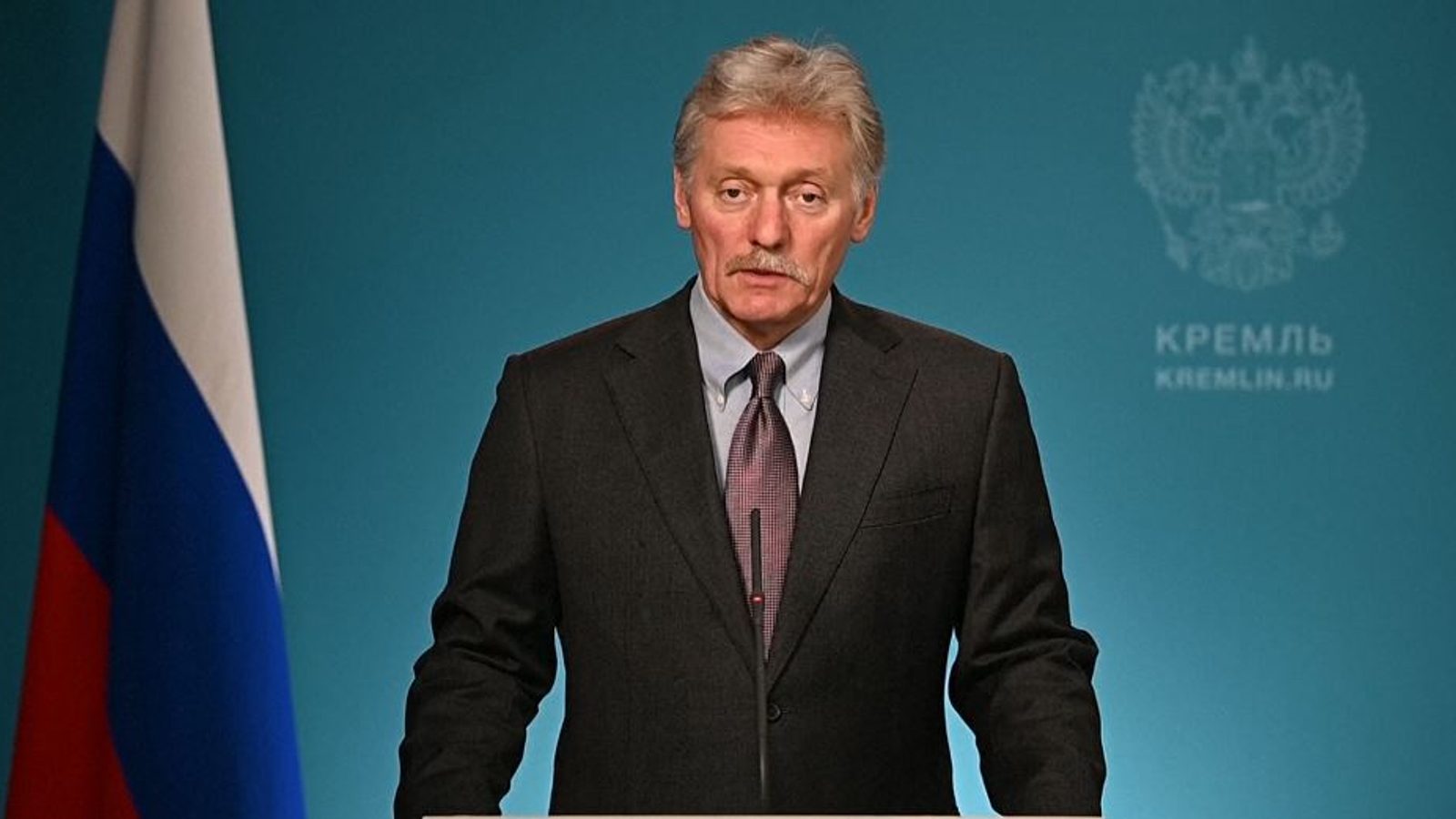
Romania, with around two million Roma, has officially observed Romani Holocaust Day since 2020; the central commemoration is held at the Holocaust Memorial in Bucharest, opened in 2009. During the regime of Ion Antonescu, Romania organised mass deportations of Jews and Roma to Transnistria, where around 380,000 Jews and 11,000 Roma were killed in camps or died of starvation and disease. For the first time in 2025 a Romanian president personally attended the commemoration: Nicușor Dan. Romanian President Nicușor Dan at a commemoration for the Romani Holocaust, 31 July 2925
In other countries 2 August is commemorated differently: in Bulgaria (around 700,000 Roma) no official national day has been declared, but Roma organizations and state representatives organize commemorations and statements. Croatia declared 2 August a day of remembrance in 2014; the central commemoration is at Jasenovac, where under the Ustaše regime between 15,000 and 20,000 Roma were killed. In North Macedonia (around 100,000 Roma) 2 August has been an official day of remembrance since 2017 and the central event is held in Skopje at the Memorial Centre of the Holocaust of the Jews from Macedonia; because 2 August is also a public holiday, the remembrance is sometimes overshadowed. In Serbia (around 130,000 Roma) 2 August is not an official day, but events are held as part of other remembrance days for National Socialist and Ustaše crimes.
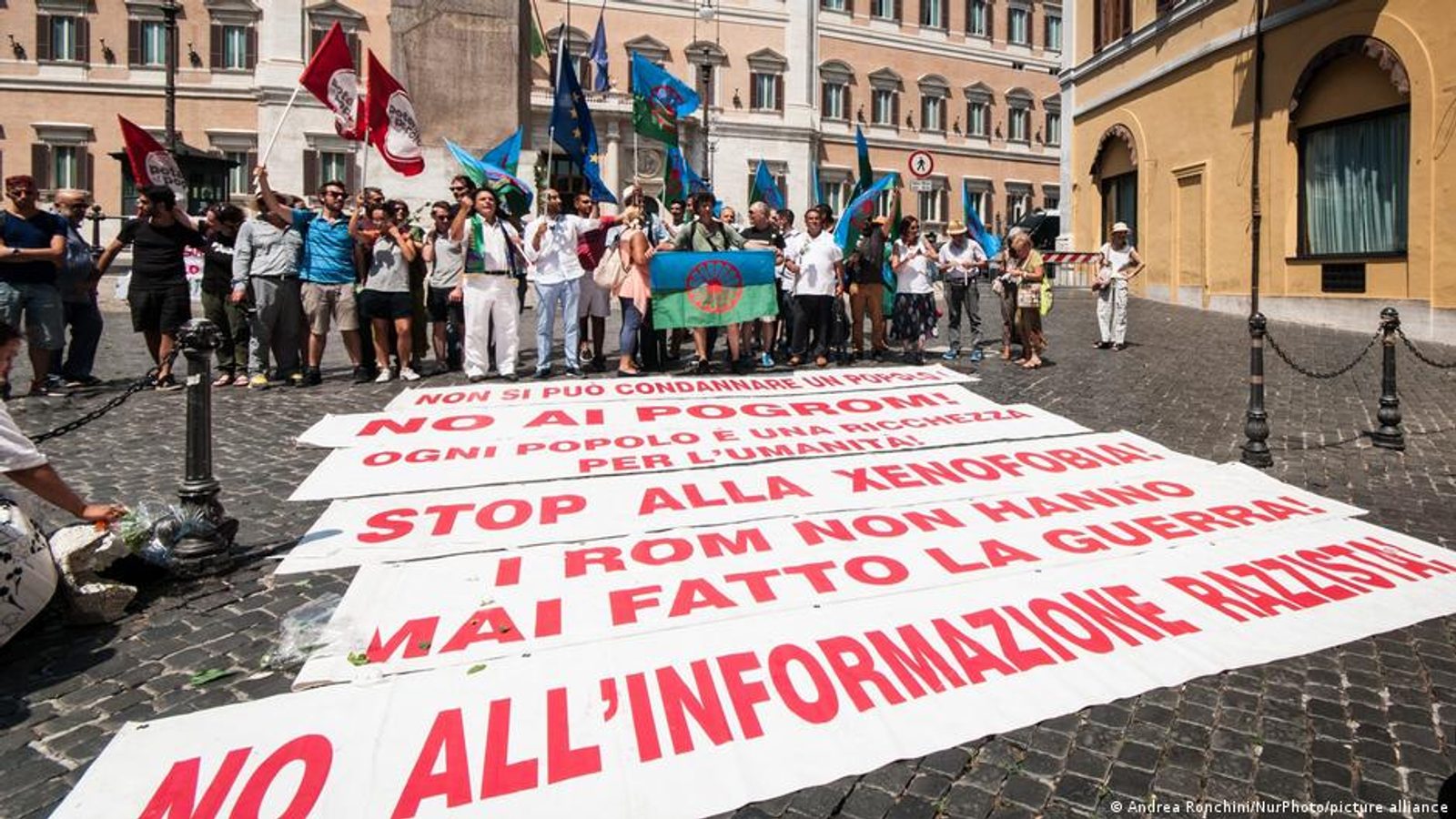
Across Europe, commemorations on 2 August link the historical marking of the killings with calls for attention to current forms of discrimination and violence against Roma and Sinti.
Photo: demonstrations in 2018 against the discrimination with which