November 3, 2026: Commemoration of Saint Hilarion — customs and what to avoid
Orthodox faithful mark Saint Hilarion the Great and Saint Hilarion of Meglen; the day is not a fasting day and traditional prohibitions are local customs.
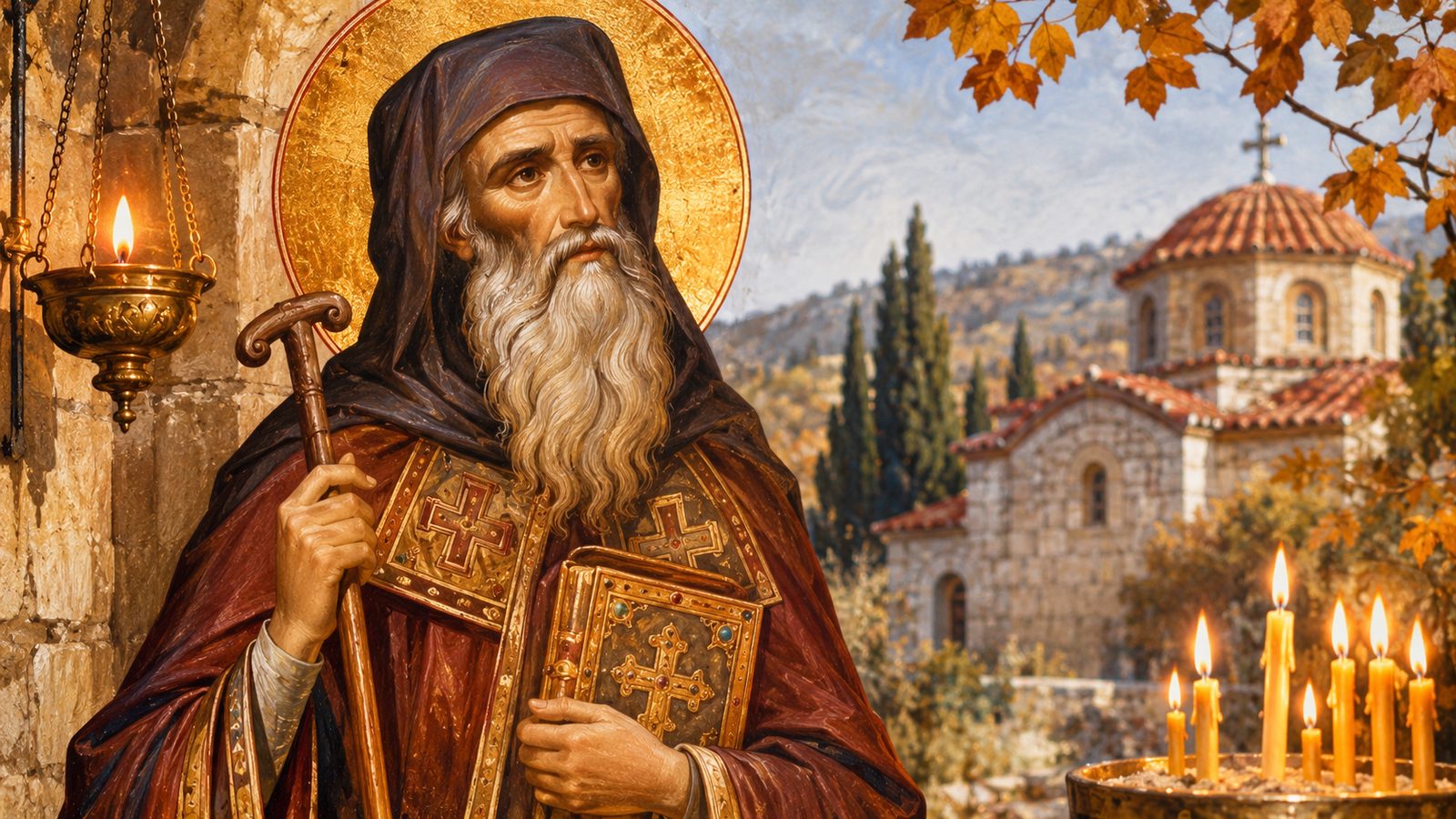
On 3 November 2026 Orthodox Christians commemorate Saint Hilarion the Great and Saint Hilarion of Meglen, two revered figures in early Christian monastic and episcopal tradition. The day is observed as a time for prayer, spiritual reflection and acts of charity.
Lives and observance
Saint Hilarion the Great is remembered as an ascetic who renounced worldly wealth in his youth and devoted himself to prayer, fasting and a solitary life; he became known for his humility and the guidance he offered to people who sought his help. Saint Hilarion of Meglen is venerated as a bishop noted for pastoral care, preaching and the defence of Christian teaching.
Believers are encouraged to attend church services when possible, light candles for the health and wellbeing of family members, and set aside time for sincere prayer. Forgiveness, reconciliation and practical help to the sick, lonely and poor are highlighted as appropriate ways to honour the saints.
Traditional advice for the day often recommends avoiding arguments, insults and unnecessary conflicts so that the feast passes in peace without anger or hatred. In some households people delay heavier chores such as large-scale cleaning or washing, but these practices stem from local custom rather than church law.
According to the Orthodox calendar, 3 November 2026 is not a fasting day. The date also marks the commemoration of the transfer of the relics of Saint Hilarion of Meglen.
Church teaching, as stressed by clergy and faithful, places greater value on prayer, good deeds and spiritual sincerity than on superstitions about punishment or misfortune for carrying out ordinary household tasks on a saint’s day.
Photo: press material from the event