AI designs entirely new viral genomes, 16 capable of destroying Escherichia coli
A team from Stanford University synthesized 302 AI designs; 16 showed the ability to destroy Escherichia coli.
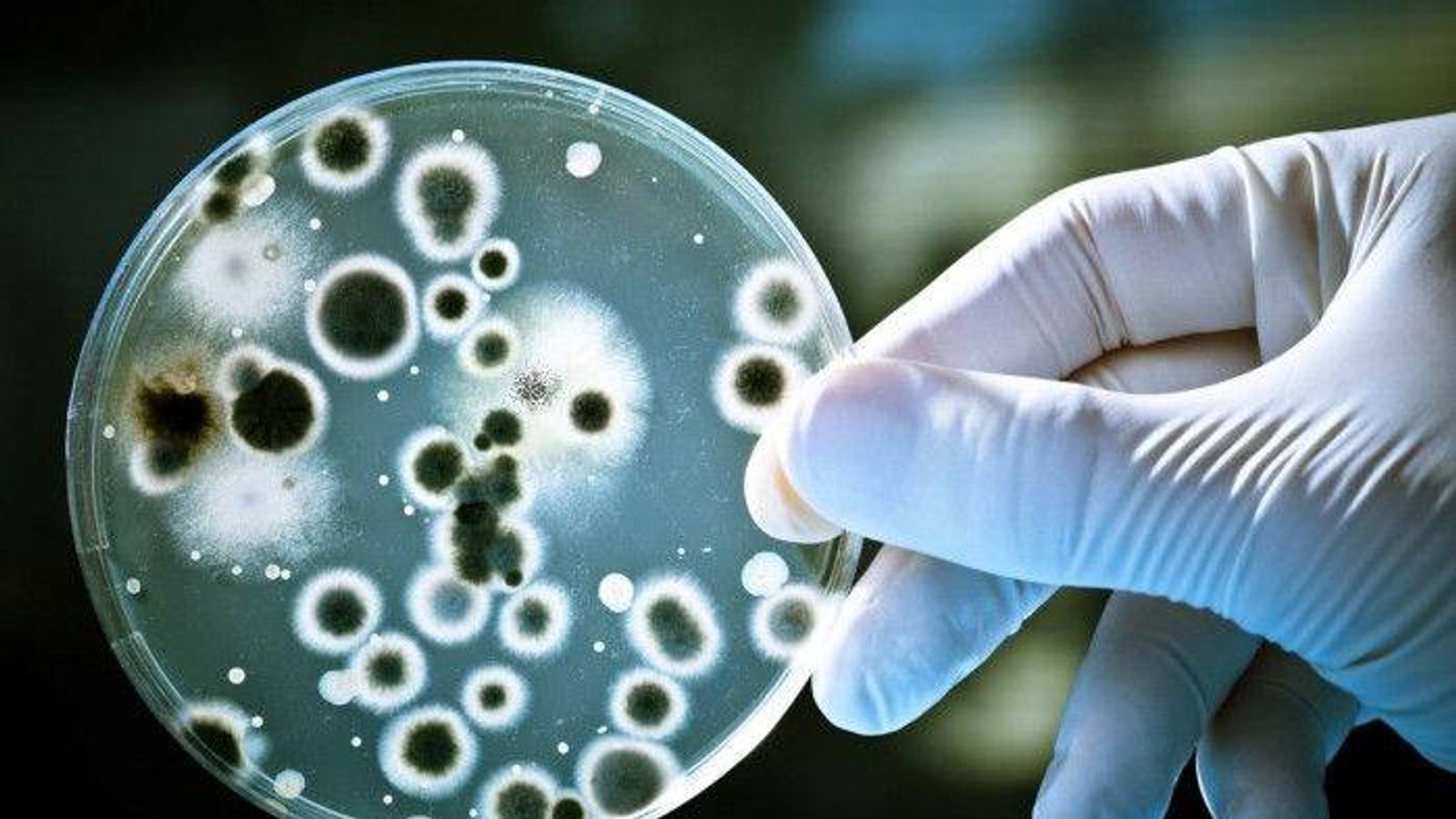
An American research team led by Stanford University used generative artificial intelligence for the first time to design entirely new viral genomes that proved capable of replication in laboratory conditions.
The team synthesized 302 designs generated by artificial intelligence and tested them in the laboratory; 16 of those constructs managed to infect and destroy Escherichia coli. The scientists point out that the new genomes attacked only bacteria and do not pose a danger to humans.
Brajan Hi, an associate professor at Stanford University, described the procedure as a breakthrough in the complexity that generative artificial intelligence can design: "This is the next level of complexity that generative artificial intelligence can design. For the first time it has been used to create a complete genome that can replicate and perform functions inside cells," Hi said.
Possible applications and safety concerns
The researchers highlight the potential medical use: designed viruses that target bacteria could be developed into therapies against antibiotic-resistant infections. The rapid generation of functional genomes could accelerate the development of targeted antimicrobial solutions.
But experts warn that the same tools raise serious questions about biological safety. If such design tools or synthesized genomes fall into the hands of malicious actors, they could be misused to create dangerous organisms, so clear control and oversight are required during the development and sharing of these technologies.
Photo: press material from the event