Andonovski announces national data centre to consolidate state IT infrastructure
Minister Stefan Andonovski says a compact national data centre under 1 MW will consolidate over twenty public server sites and underpin the next phase of digital services.

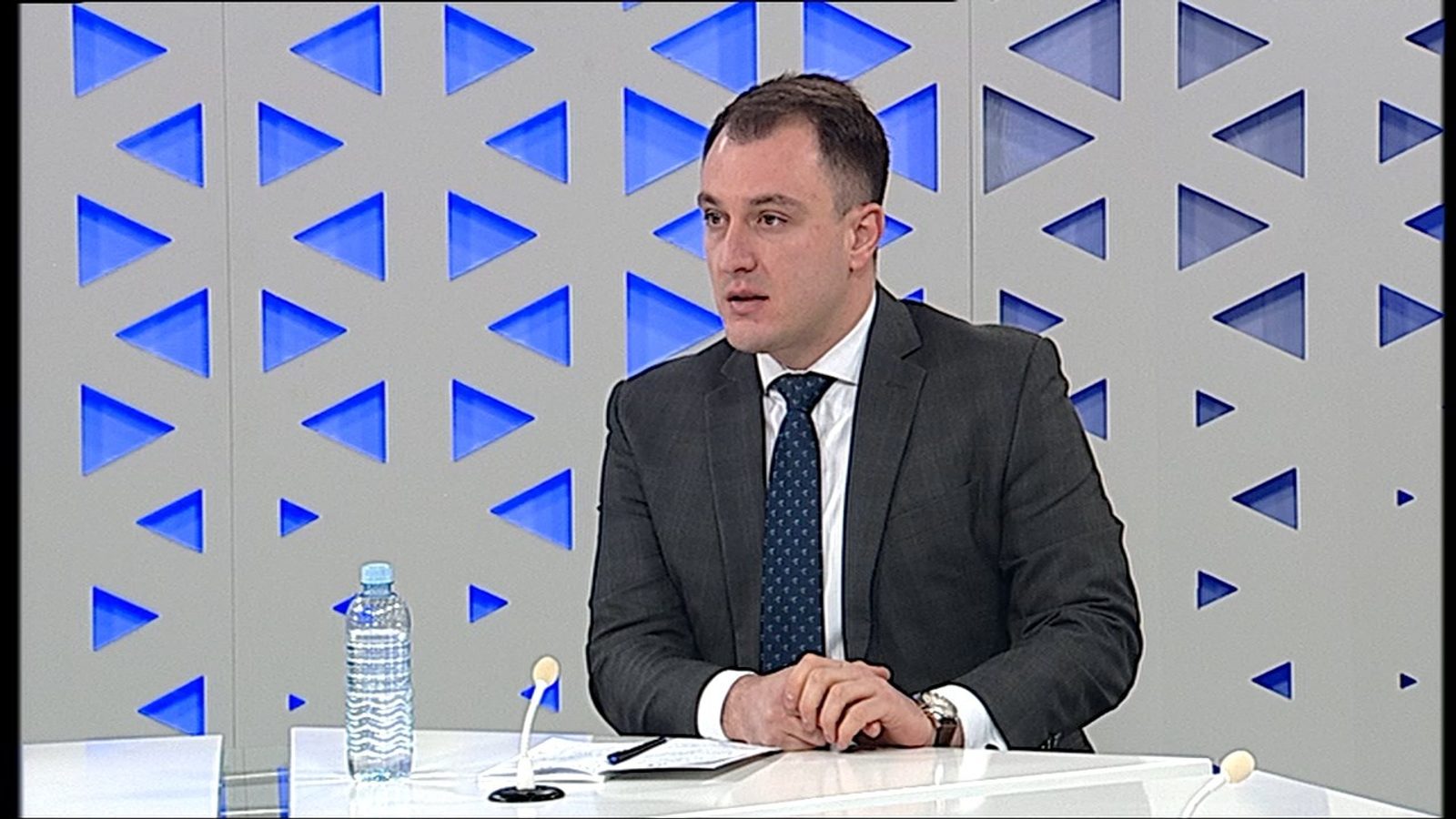
The government will build a modern national data centre to bring together the state’s fragmented IT systems, raise data protection standards and create the infrastructure needed for new digital services, Minister for Digital Transformation Stefan Andonovski said.
Andonovski told a television current‑affairs programme that public information systems and equipment are today spread across more than twenty small data centres and server sites, a layout that increases costs for hardware, electricity, cooling, uninterruptible power, maintenance and security.
Project scale, purpose and timeline
He described the national data centre as an infrastructural milestone for the next phase of digital transformation — enabling growth of e‑services, better interoperability between institutions, a government cloud, digital identity and the use of artificial intelligence and modern cloud technologies.
"If we want more services to be fully available online, if we want institutions to exchange data automatically and if we want to use artificial intelligence and modern cloud technologies, we must have infrastructure that can securely carry all of that. The national data centre is the foundation of the digital state for the next two to three decades," Andonovski said.
The first phase is estimated at about 20 million euros and is to be financed through the Plan for Growth and the Reform Agenda. Around 30 percent of the investment will be grant funding, while the remaining 70 percent is expected to come as favourable financing from international partners. The project is currently subject to a feasibility study, with site selection, environmental assessment, technical design and the implementation model to follow.
Andonovski stressed the economic case for consolidation: "Today for each of these locations we separately pay for electricity, cooling systems, uninterruptible power, network and server equipment, physical and cyber security and maintenance. By consolidating we gain economies of scale, better utilisation of equipment and a much higher and unified security standard," he said. He also clarified that the state intends a compact facility sized for public‑sector needs — "not a commercial hyperscale data centre of 100 or 150 megawatts" but a centre with installed capacity below 1 megawatt.
Photo: press material from the event