Mitko Andreevski: District heating price rise in Skopje is inevitable as gas soars
The energy expert says natural gas has risen 211% since the start of the year and 36% since early October, pressuring regulators and households.
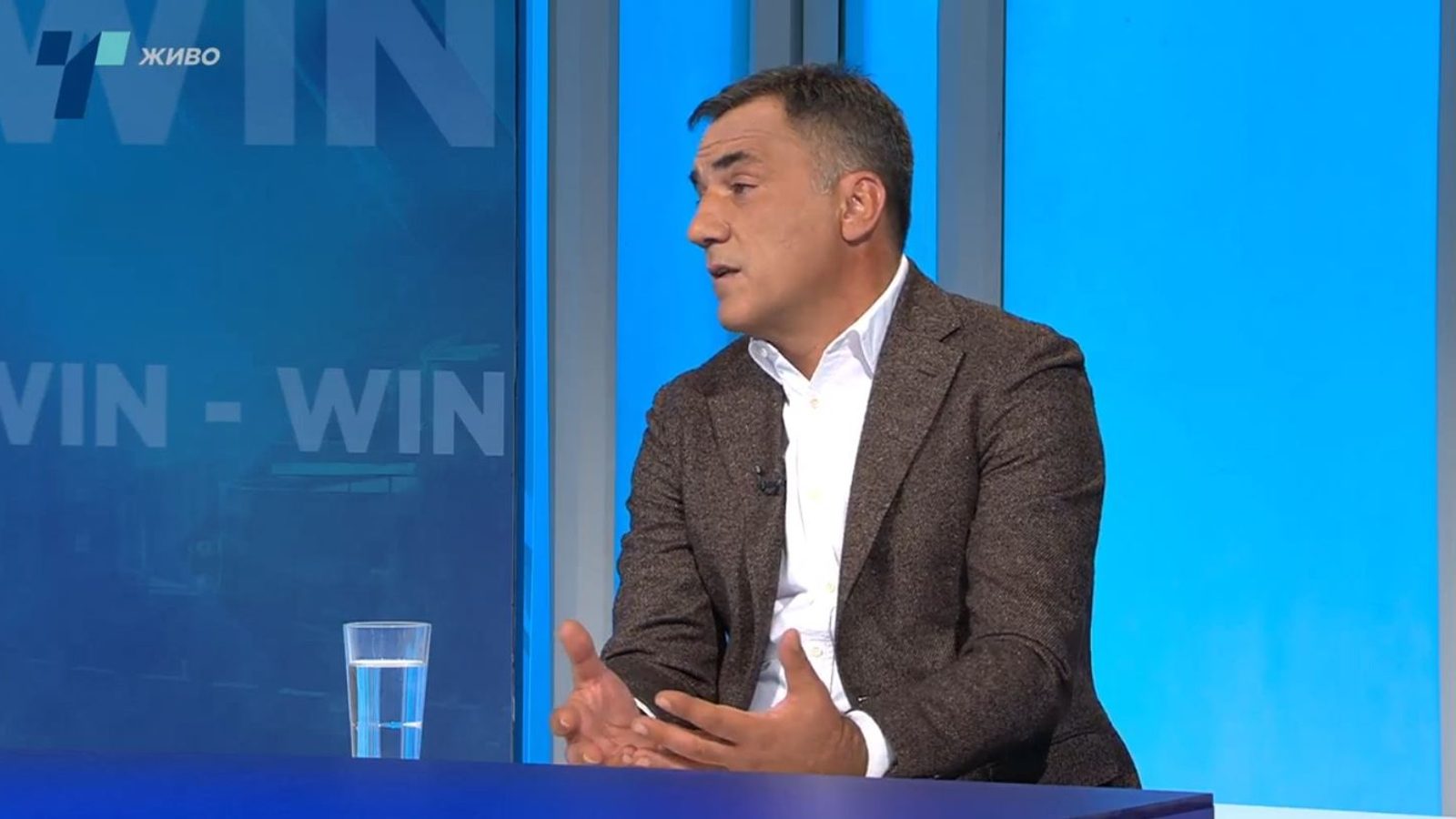
Natural gas prices have jumped sharply this year and that increase will force a rise in district heating tariffs in Skopje, energy expert Mitko Andreevski warned during a televised debate.
Andreevski said the wholesale price of natural gas is up 211 percent since the start of the year and has climbed 36 percent from the beginning of October to date. Those movements, he argued, leave the public utility and the regulator with little choice but to raise the price of heat for consumers.
Pressure on households and policy
According to Andreevski, the regulator will have to approve a tariff increase for thermal energy delivered by the central heating system in Skopje, a move that will put immediate pressure on households and on the energy policies the Government will need to adopt.
He warned that abandoning district heating is not a feasible response: "It is inevitable that the price of thermal energy in Skopje, as determined by the regulator, must be increased. That will put pressure on households, but it also puts pressure on the energy policies the Government will make. Should Skopje give up district heating because it depends on natural gas? — No, at this moment that is impossible, because pollution is addressed by thermal energy from the city's central heating. And the second reason is that we have around 60,000 households that use district heating. If conditions arise where heat cannot be supplied, they will switch to heating their homes with electricity. Then it becomes a catastrophe," Andreevski said.
His remarks underline a broader dilemma: the city relies on gas-fired central heating both to reduce air pollution from individual solid-fuel heating and to supply a large share of households. A rapid substitution toward electric heating would strain the power grid and raise costs for families.
Officials and regulators will now face the task of balancing cost recovery for suppliers with measures to protect vulnerable consumers and to reduce long-term exposure to volatile global gas markets.
Photo: press material from the event