Stojanche Angelov: Part of the weaknesses auditors pointed out have been reduced
Angelov says legal amendments, serviced "air tractors" and more volunteer firefighters improved readiness this summer.
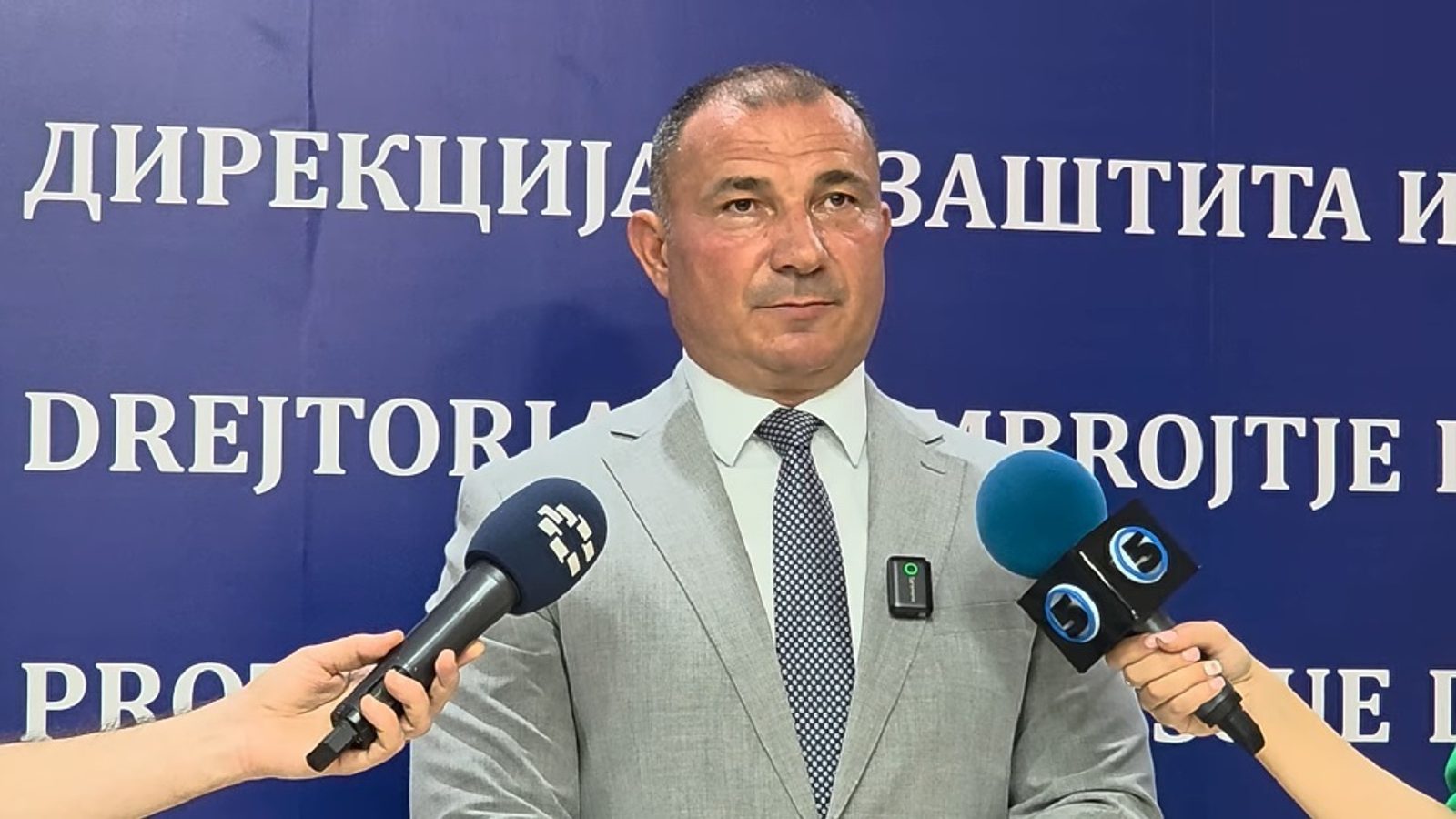
Director of the Directorate for Protection and Rescue Stojanche Angelov says some of the weaknesses the State Audit Office highlighted in its latest report have been reduced after recent legal changes and operational steps this summer.
Angelov reacted in writing to the State Audit Office (SAO) report titled “Building a system for crisis management, protection and rescue through investments in equipment and resources, maintenance of assets to increase operational readiness, efficiency and effectiveness”, saying that auditors correctly pointed to deficits but that several problems have already been partly addressed.
Operational gains, legal changes and volunteer support
The audit singled out weaknesses in strategic planning, coordination and resource management, insufficient human and material capacities, and limited investment in modernisation and new equipment for the services that make up the civil protection system. According to Angelov, many of those deficiencies were already problems when he led the Centre for Crisis Management, and some have been reduced since he took over the Directorate for Protection and Rescue.
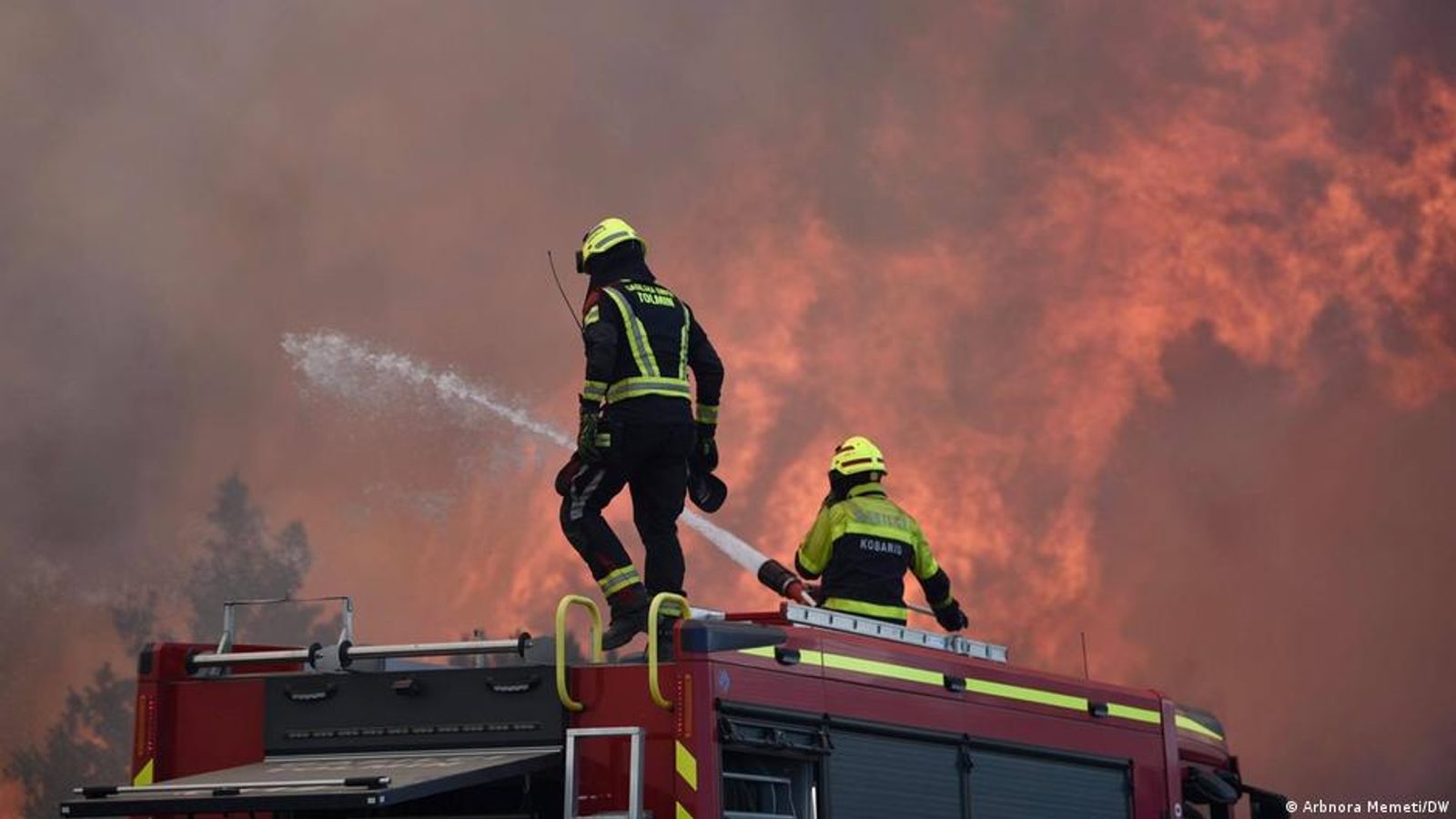
Angelov said that “part of these weaknesses have been significantly reduced with last year’s amendments and additions to the Law on Crisis Management, and some with the amendments and additions to the Law on Protection and Rescue from June this year.” He also noted concrete equipment and personnel improvements: the so‑called "air tractors" were serviced and returned to operation before the fire season, a larger number of volunteer firefighters were mobilised through the Directorate’s Rapid Response Teams, and the Directorate repurposed special vehicles — 23 "pincgaueri", 15 BTRs and five "hermelini" — as firefighting units.
Angelov highlighted a legal change that shortens decision-making in emergency deployments. “In the area of unified command with the protection and rescue forces a significant step has been made by adding new paragraph 5 to Article 108 – in actions that require urgent intervention the republican protection and rescue forces are engaged by decision of the director of the Directorate,” he wrote, arguing the amendment removes previous bureaucratic delays in urgent situations.
He added that greater volunteer engagement meant there was no need this summer to rely on police or army forces for complex firefighting operations, and that the country did not request international help to fight wildfires. For the first time, the Directorate declared two "air tractors" within the European Civil Protection Mechanism to assist other countries.
Still, Angelov acknowledged gaps remain. The SAO report notes that while the legal framework governing this area exists, the protection and rescue system does not function as an integrated, efficient mechanism for prevention, preparedness, timely response and disaster management. The audit also recalls that the need for reforms was flagged already in 2018 during an EU screening by the European Civil Protection Mechanism, and despite several initiatives the necessary reforms have not been completed by the time of the audit.
Photo: press material from the event