Austria pays billions to farming — some funds reach Porsche, Glock and Esterházy
Drought renews debate as Austria’s €2.6bn-plus in agricultural support reaches both small farms and firms linked to wealthy families.
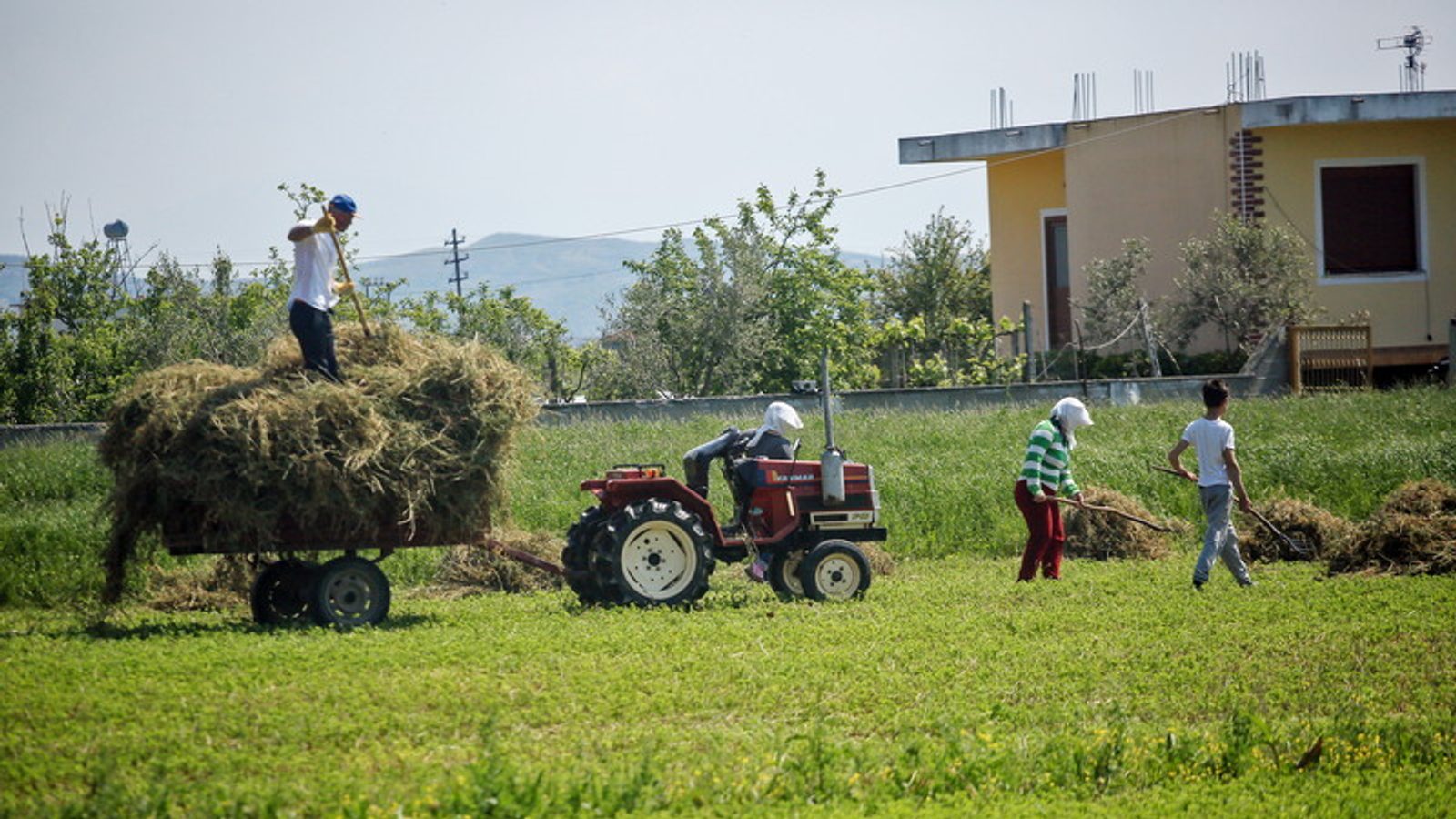
Austrian public support for farming totals billions of euros, yet a share of those payments go to companies linked to wealthy families such as Porsche, Glock and Esterházy — a fact that has resurfaced as drought this year increases pressure for extra aid.
Where the money goes
Official data show that agricultural policy in Austria channels large sums beyond small family farms. Companies connected to prominent families have received direct payments: Glock Gut & Forstverwaltung was paid around €19,500, Wolfgang Porsche’s organic holdings in Zell am See received nearly €90,000, the Esterházy winery near Vienna obtained about €258,000, and a private Esterházy family foundation drew another €88,000 for forestry.
In 2024 more than €2.6 billion of public money flowed into Austrian agriculture and forestry. Of that total roughly €1.3 billion came from the European Union, about €730 million from the federal budget and around €600 million from the nine federal provinces. The support package includes area-based direct payments, rural development funds, aid for mountain farms and investment grants.
Support extends beyond subsidies. Around 90 percent of farmers are taxed under a lump-sum system in which the taxable base is estimated from the land’s presumed yield rather than actual profit. Previous analyses have shown this arrangement can be more favorable than income taxation: after deductible costs such as insurance and interest many farms end up with minimal or no tax liability.
The recent drought has sharpened the debate. Agriculture Minister Norbert Totschnig has proposed temporary relief measures including deferrals of social insurance contributions and subsidized loans for purchasing inputs. Insurer figures place drought-related losses at roughly €1 billion; about 80 percent of arable land and 40 percent of grassland are already insured against drought, with the state covering 55 percent of the premium.
Despite large public transfers, most farmers do not lead comfortable lives. Of roughly 100,000 registered farmers about half work full time in agriculture. The average farm and forestry income in 2024 was about €40,000, while the median was only €23,000. Only about one quarter of farms report substantially higher incomes, with a median near €80,000. Because earnings swing with market cycles and weather, many small holdings have closed in recent decades.
The central policy question is not whether farming should receive support but how to target public money more precisely so it protects genuinely vulnerable small farms without continuing to funnel significant sums to already-wealthy owners. The post-drought measures will test whether Austria can strike that balance.
Photo: EPA/MALTON DIBRA