Austria hit by historic drought, agricultural losses around €1 billion
Insurer calculates yield shortfalls across meadows, maize, soy and cereals; government and finance ministry weigh emergency aid and budget limits.
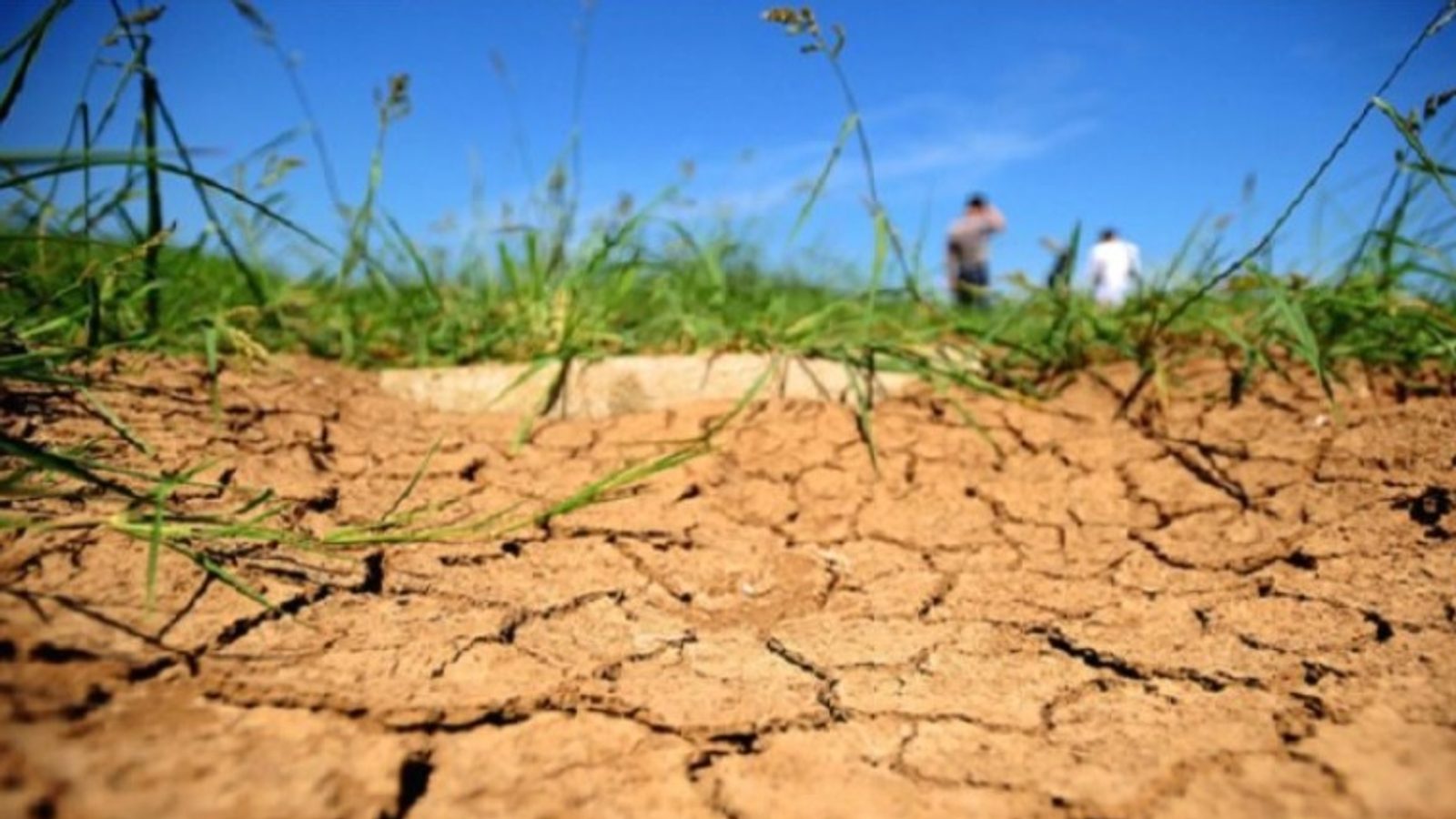
Austria is confronting an historic drought that this year has inflicted roughly one billion euros in agricultural damage, the director of the country's agricultural insurance company warned on Monday. The briefing identified a nationwide shortfall in rainfall, an unusually large number of hot days and temperatures reaching unprecedented levels as the immediate drivers of the losses.
Crop losses widespread; insurer and state plan aid
The insurer's calculations show yield declines across all crop groups: meadows are down by about 45 percent in their hay and grass output, maize, soy and pumpkins have suffered roughly 25 percent losses, and cereals about 15 percent. On average, agriculture stands to lose close to 30 percent of the total value of yields, which the company values at €3.2 billion. The company expects drought conditions to persist at least until 18 August, a scenario that could increase the final bill.
The agricultural insurance company said it can cover approximately €400 million and that every insured farmer is entitled to compensation. It also noted that drought-related losses over the past ten years have totaled about €2 billion, underscoring how quickly the risks are rising.
Officials in Vienna have begun planning relief measures. The agriculture and climate minister announced a package of drought measures and said aid must reach vulnerable farms, while the chancellor also pledged support. The finance ministry warned that any assistance must fit within the existing budget and urged longer-term climate policy solutions. Proposals being discussed include operating loans, payment deferrals and expanded systems to secure livestock feed.
Experts stress the episode is not an isolated event. The insurer's director pointed to climate change as a key factor, saying extremes that once occurred about once a decade are now repeating every one to two years. A Potsdam climate scientist explained that higher temperatures increase evaporation while a warmer atmosphere can hold more water vapour, putting additional pressure on soils and water resources.
Beyond climate trends, the insurer highlighted the role of land conversion and construction in reducing farmland, natural water reservoirs and soil carbon storage — factors that, combined with shrinking domestic grain self-sufficiency (currently about 87 percent), could push self‑sufficiency down to roughly 50 percent by 2060 unless policy reverses the trend.
Photo: press material from the event