Claudia Bauer proposes summer 2027 target for ‘roaming like at home’ in the Western Balkans
Austria’s minister called on the European Commission to coordinate agreements so savings reach citizens’ phone bills before summer 2027.
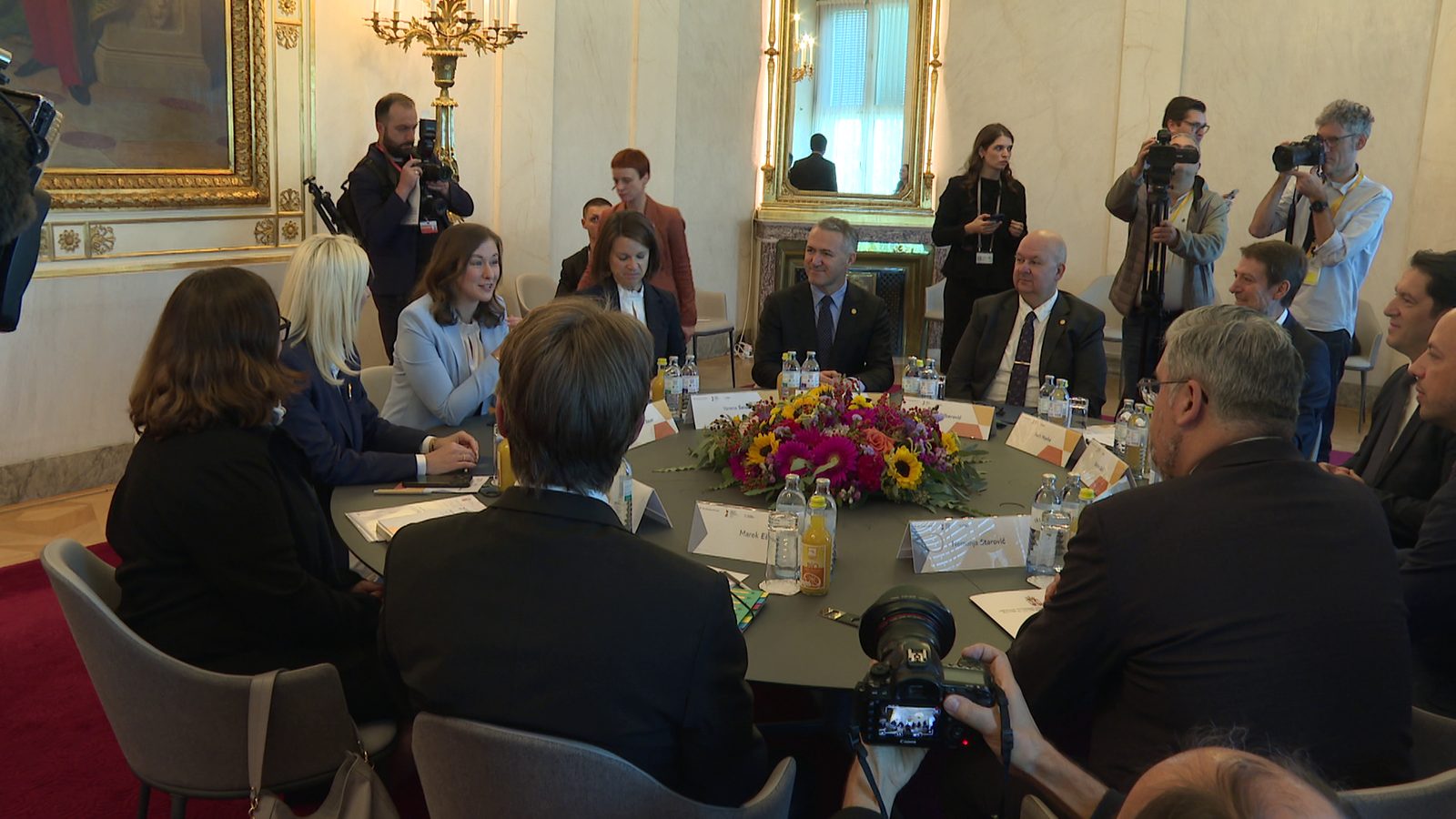
At a Western Balkans conference in Vienna, Austria’s Minister for European Affairs, Claudia Bauer, for the first time suggested a concrete target: summer 2027 as the deadline for the region to join the EU’s roaming zone and enjoy “roaming like at home” prices.
Bauer urged the European Commission to move quickly so that savings from the end of cross‑border surcharges reach people’s phone bills before the next summer season. She framed the proposal as part of a broader push to turn recent momentum on enlargement into tangible benefits for citizens.
Momentum on enlargement and concrete deadlines
“I call on the European Commission to set summer 2027 as the target for all six partners to join the EU roaming zone. Ten years after the abolition of surcharges within the European Union, people visiting the Western Balkans should also use their phones under the same conditions as at home. We need a coordinated package, common contract templates, parallel negotiations and clear deadlines for required reforms and agreements. Each partner must meet the conditions — those ready earlier should be able to move forward earlier. The savings must reach people’s phone bills before next summer,” Bauer said.
The remark came alongside wider pro‑enlargement appeals at the so‑called "Slavkov" format conference hosted by Austria together with Slovakia and the Czech Republic. Bauer, described in the programme as a 31‑year‑old rising figure within the ruling Austrian People's Party, also said constitutional amendments with a delayed entry into force are achievable.
Speakers from the region emphasised differing progress: Montenegro aims to join the EU in 2028, having temporarily closed 18 of 33 negotiating chapters and planning to finish the remaining ones by the end of the year before signing an accession treaty to be ratified by all 27 member states. Montenegro’s Minister for European Affairs, Maida Gorchevic, warned that political uncertainty in some member states creates risks but said her government is focused on closing chapters and explaining to EU publics how accession will be beneficial.
Albania has opened all chapters and already temporarily closed three of them, while North Macedonia’s delegation — led by Deputy Prime Minister and European Affairs Minister Bekim Sali — stressed that bilateral issues with a neighbouring state are the main reason for stagnation. Sali reiterated his government’s readiness to engage in dialogue and said a visit by European Commission President Ursula von der Leyen to Skopje would be an important confirmation of North Macedonia’s path toward the EU.
Photo: press material from the event