Buses scarce as Skopje swelters — public transport in crisis; authorities promise 150 new buses
Passengers report long waits and unreliable, often non‑air‑conditioned buses; authorities promise delivery of 150 new buses, starting with 30 electric vehicles.
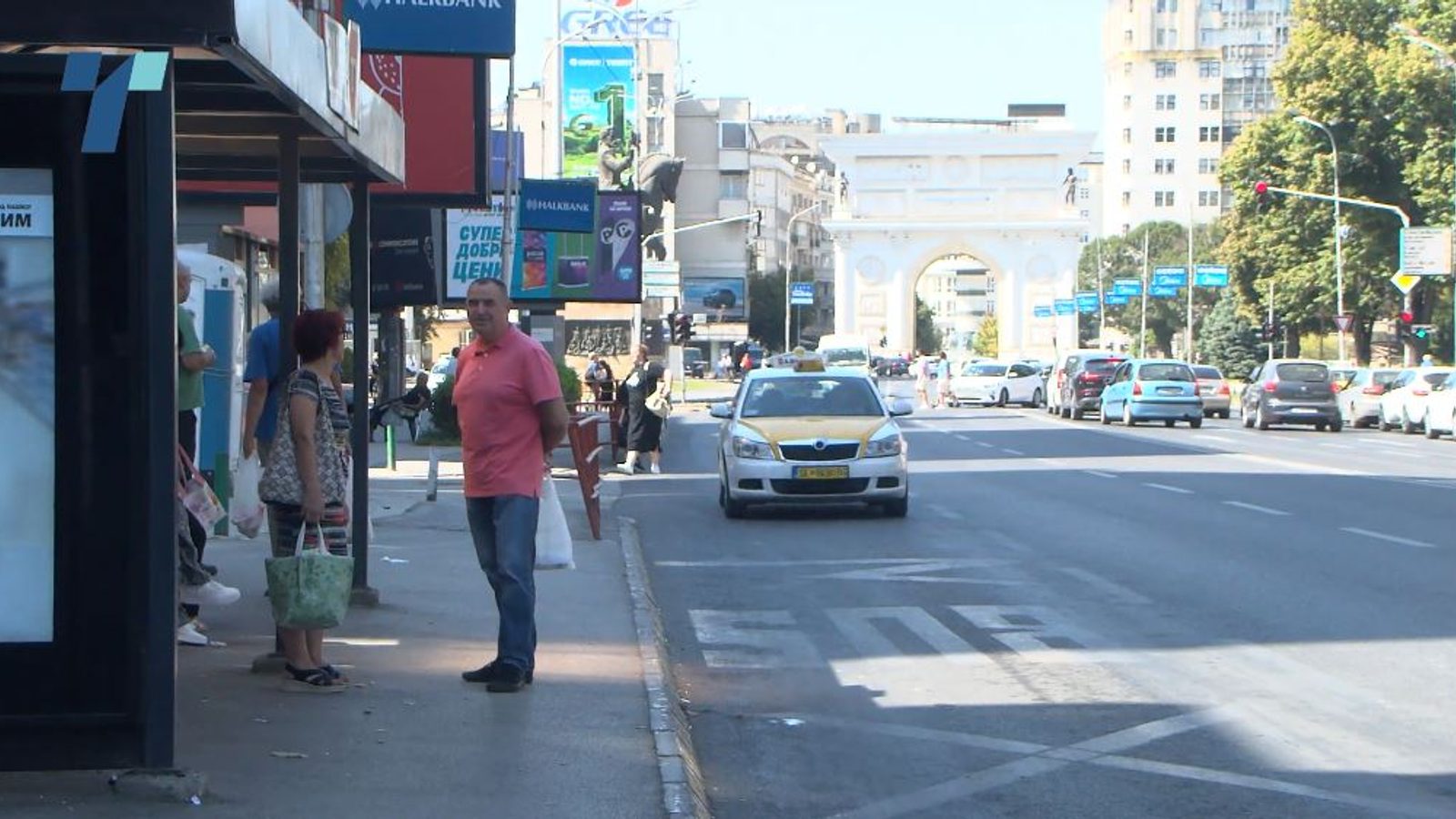
Skopje is in an orange heat-warning phase with temperatures near 40°C, yet many scheduled buses are not running and passengers are left waiting at stops for half an hour or longer. Instead of cooling down in an air‑conditioned vehicle, commuters describe long delays, irregular services and inaccurate arrival information in the live tracking apps.
Riders told reporters that timetables and the live-tracking announcements often do not match reality: a bus may be listed as coming but then never arrives. "To be honest, very few buses come by. We wait longer, but they aren't there. Sometimes they arrive exactly on schedule, sometimes they don't," one commuter said.
Another passenger, from the Čučer‑Sandevo municipality, said: "The buses are not regular, especially here in the Čučer‑Sandevo municipality we wait one to two hours. We can't get down to the city centre. If we have to go somewhere we then walk several kilometres." A third commuter complained that posted timetables do not reflect the actual situation: "What is written on the information board and in reality is not the same. They are very rare for a capital city compared with what passengers need."
Operational capacity and passenger numbers
The State Statistical Office's latest report shows a drop in the number of transported passengers in the second quarter of the year: down 8 percent compared with the same period last year. Urban transport recorded an 11.9 percent fall, suburban transport fell by 9 percent, while intercity services grew by 21 percent.
Experts point to the fleet condition as one factor. Research by the Center for Civic Communications indicates that JSP has 341 buses in total, of which only 185 are operational. "The enterprise is not operating at a loss or profit, however it has unchanged finances which I also consider a sign of stagnation. Revenues cannot stay roughly the same for ten years, they should normally grow with increased investment, etc. So all of this is connected and points to declining service quality and passenger numbers and indicates that something urgent needs to be done," said German Filkov of the Center for Civic Communications.
Authorities say the solution is buying new vehicles. The Ministry of Transport announced that the first 30 new electric buses are expected to arrive by the end of this year or the beginning of the next, and that a further 120 buses should be delivered within a year to a year and a half, bringing the total to 150 new vehicles.
Photo: press material from the event