Bills on education and fair representation stalled without Badenter majority
Ministers lobby MPs for support, while opposition deputies demand dozens of amendments before voting
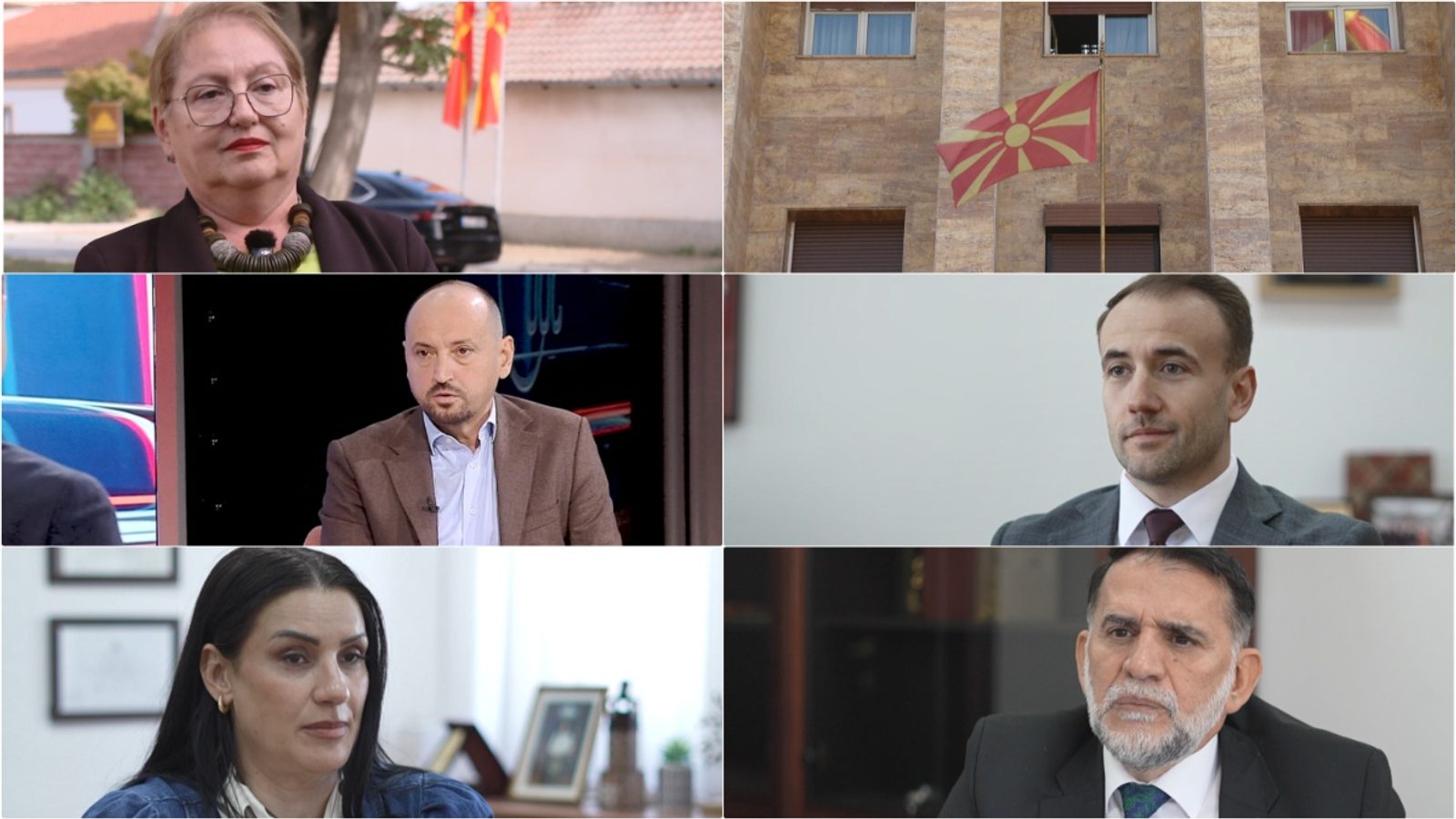
Two government bills — changes to higher education and a law on fair representation — remain stalled in the Assembly because the authorities lack a so‑called Badenter majority. Ministers and ruling MPs are lobbying colleagues, while opposition deputies condition their support on acceptance of multiple amendments.
Lobbying, resistance and procedural hurdles
Education Minister Vesna Janevska has promoted the education package at public forums and briefings with both public and private universities, arguing the amendments respond to constructive objections and will help raise standards. She said: "I know for certain that a large number of our MPs are also lobbying among their colleagues, explaining the importance, because these are significant. You often ask me, we don't have a university on the Shanghai list, how long will we remain off other rankings — not only because of that, it will contribute to improving the quality of higher education, but it is very important that in a medium-term period we expect to obtain a better quality of specialists on the labor market."
Asked whether the reform would collapse if the bills do not reach the floor, Janevska replied: "At no moment will I give up on these laws and I am sincerely optimistic and I think that we will eventually pass them."
The opposition voice is led by MP Sali Murati of the European Front coalition (led by DUI), who accuses the authorities of trying to push the package through "by clandestine means" and of undermining university autonomy. Murati told reporters: "The ministry should not interfere, we have dozens of articles where they interfere in their work, in the Senate, in university governance, and they will be an extended arm of the Ministry of Education. No one accepts it. We will have many, over 30 amendments if they continue like this. Let them come forward, we will face them, we will have a public debate on this matter, let the public listen."
At the same time, Health Minister Sasho Klekovski says the separate draft tobacco law is also stuck in parliament. He described its main elements — a ban on smoking in enclosed public spaces, businesses and institutions, and terraces that must be open on at least two sides — and rejected proposals to allow indoor smoking rooms on technical grounds. "In some countries there are smoking rooms, but they have such technical and technological solutions, let me say with negative pressure, that we cannot achieve in our operating theatres, let alone in a restaurant or other space. I believe we had a productive dialogue with the hospitality chamber and other stakeholders and once we have their support we consider this an optimal solution; we need to communicate with the Assembly so it goes through three committees and is put on a plenary session for adoption," Klekovski told the media on September 27 this year.
Ruling MPs have tabled amendments to the tobacco bill. Eight changes submitted by MPs from VMRO-DPMNE and ZNAM would, among other points, allow cigarettes to be displayed in retail outlets but out of direct reach of customers and deem on-site product familiarisation not to be advertising. MP Bojan Stojanoski said: "We are waiting for an additional expert-legal opinion on the interpretations of their amendments. The majority of those who must decide in the committee filters in the Assembly, that is MPs who are part of the Health Committee, are medical, healthcare workers who do not have particularly pronounced legal expertise, they ask for additional opinion. As soon as we collect those opinions, we will of course continue with the discussion on this law."
MP Saranda Imeri of the ruling Vlen bloc insisted the tobacco law is part of the Reform Agenda and must be aligned with European norms. She told journalists that special smoking rooms exist in many countries but any easing must not endanger non‑smokers.
Meanwhile, debate continues about the Fair Representation law, meant to fill the gap left by the repeal of the Balancer mechanism. Murati warned the bill lacks fully implemented Venice Commission recommendations and said it must include budget provisions, sanctions and a verification system for ethnic affiliation with measurable quotas, otherwise smaller communities will struggle to access public sector jobs despite constitutional protections.
Procedurally, the fair representation draft requires a Badenter majority — meaning support by a majority of MPs present and simultaneously a majority of those present who belong to non‑majority communities — a threshold the ruling coalition currently does not have without wider support.
Photo: press material from the event