Berlin moves closer to coalition of The Left, Greens and SPD
Preliminary talks ended over the weekend; Elif Eralp could become mayor amid fierce debate over antisemitism and a proposal to socialise some 160,000 flats.
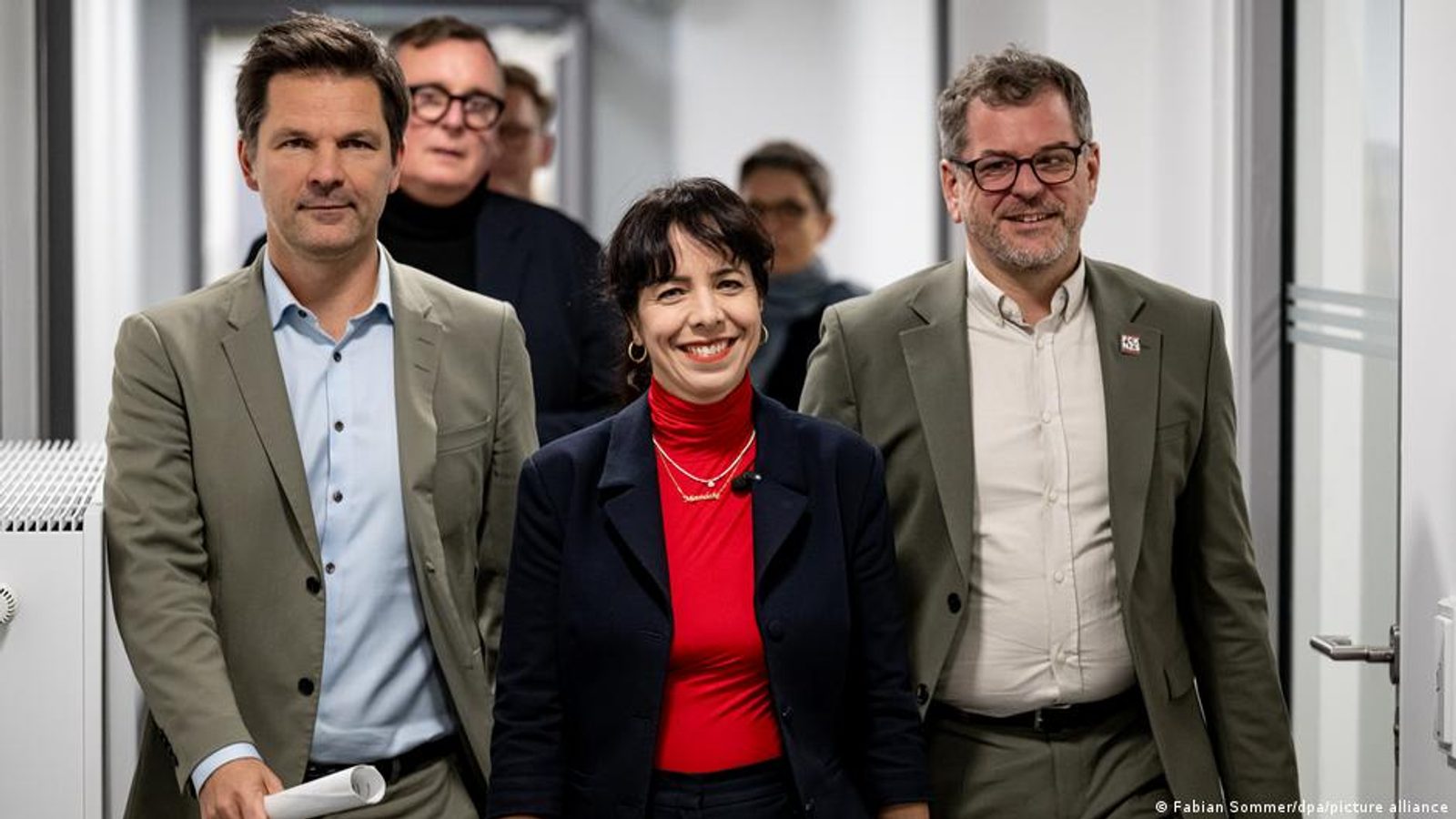
Berlin is moving closer to a city government led by The Left, the Greens and the SPD after preliminary talks finished over the weekend and the three parties signalled they want to open formal coalition negotiations.
Key figures and controversies
The Left emerged as the strongest force in the state election on 20 September, taking 25.7 percent of the vote. If the three‑party deal goes ahead, The Left’s lead candidate, Elif Eralp, would become mayor of Berlin.
SPD and the Greens agreed on 19 October 2026 to seek coalition talks; The Left has said it will decide at an extraordinary party congress in about two weeks. It will still take time before a new administration takes office, but concern about the prospective tripartite government has already spread beyond the capital.
Most of the debate has focused on The Left’s controversial positions on antisemitism and its parliamentary personnel. Individual members of The Left’s new Berlin group and some Bundestag deputies have expressed extremely critical stances toward the State of Israel. One Bundestag deputy, Ferat Kocak, has been linked to contacts with the notorious Remmo crime clan, whose founders have Lebanese origins.
Conservative critics have been unusually vocal. Torsten Frei, head of the CDU/CSU parliamentary group in the Bundestag, said it was "quite strange" to aim for a coalition with The Left if that configuration is not necessary and warned: "With such a party you cannot cooperate. And I think that a clear statement is needed."
Wolfram Weimer, a state minister for culture and not a party member but part of the federal government, warned in a commentary that "The successor party to the SED is opening the doors to antisemitism. Precisely in Berlin, where the crimes of the Holocaust were once planned and carried out, such an attitude must not prevail."
SPD figures have also voiced reservations. Matthias Miersch, head of the SPD parliamentary group in the Bundestag, told ARD: "I still have considerable doubts." At the same time, Greens co‑chair Franziska Brantner welcomed an anti‑antisemitism declaration adopted on 18 October but stressed it must be implemented consistently or else "there cannot be a stable government."
Aside from the antisemitism row, housing policy was the central campaign issue. The Left won support with proposals to convert a large number of private flats into public ownership — around 160,000 apartments — a move that would require the state to pay compensation running into billions. That plan is now supported by all three potential coalition partners, though legal obstacles remain.
Markus Söder, speaking to a Junge Union gathering in Bonn, framed the situation as the formation of a new leftist bloc: "The red front from yesterday has been established and that officially," he said, adding that when talking about protective walls "then we need one more against the Left." The remarks underline how difficult it will be for Berlin to enter a phase of political calm any time soon.
Photo: press material from the event