Hospitals in Shtip, Tetovo and Kichevo to be financed by World Bank and EIB loans
Health Minister Sasho Klekovski says combined World Bank–EIB financing with longer repayment and grant elements was judged preferable; tender for Shtip’s first phase will be launched soon.
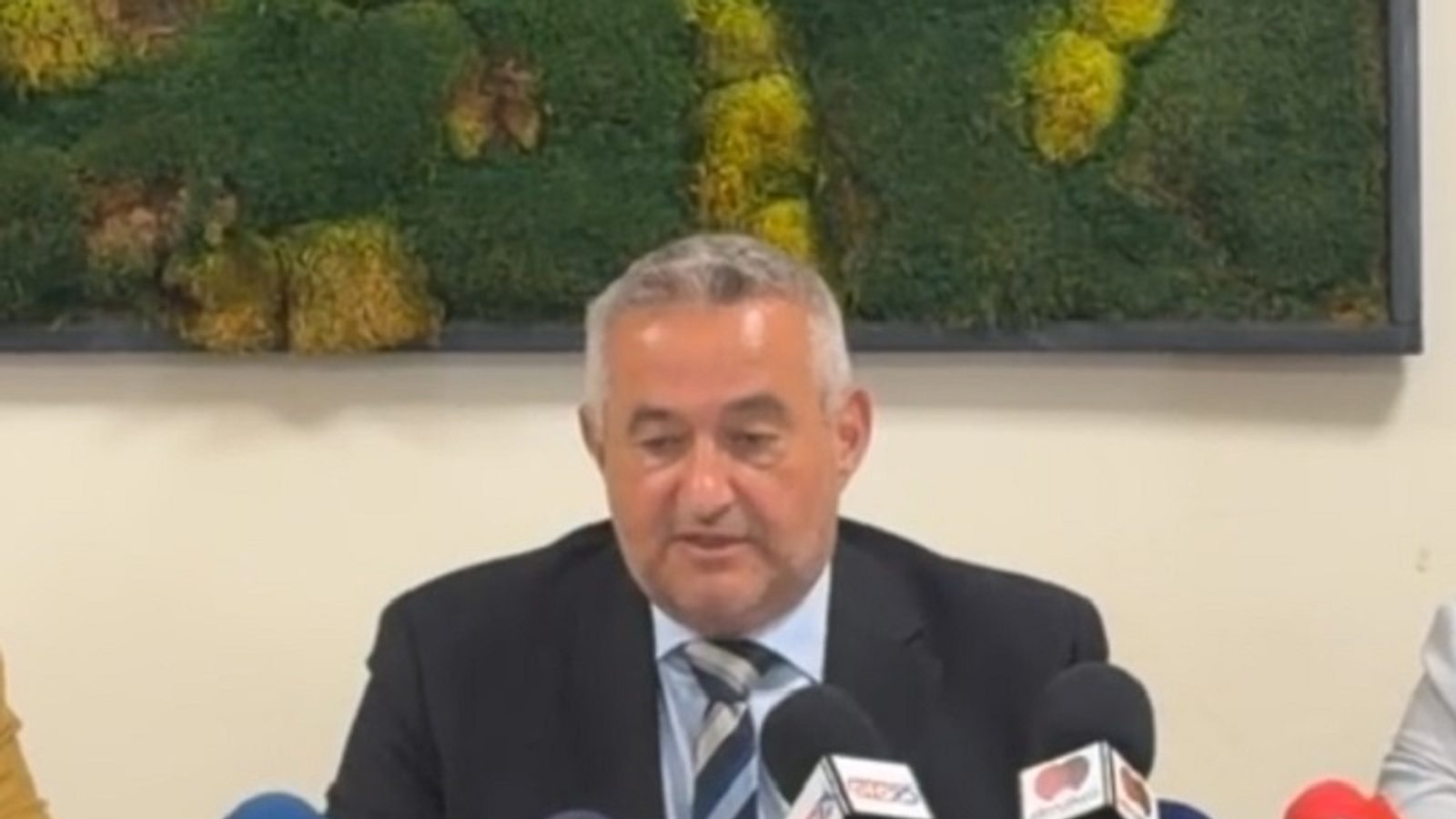
The Ministry of Health is preparing to sign a memorandum with the World Bank and the European Investment Bank (EIB) to finance capital works at the main clinical hospitals in Shtip, Tetovo and Kichevo, Health Minister Sasho Klekovski announced.
According to Klekovski, financing will be a blend of loans from the two international lenders. The Ministry of Finance evaluated that offer as more favourable because it includes a longer repayment period and a grant component, making it preferable to the previously discussed government‑to‑government arrangement with the United Kingdom that was signed more than a year ago.
Finishing projects closest to completion
Klekovski said the hospital in Shtip is the most advanced: the main shell is closed and most installations are in place, but because work has stalled for some time the construction needs a fresh assessment to establish whether parts were damaged or stolen and whether the 2013 project still meets current clinical standards. He said: "We need to perform a revision of the project because it is from 2013, and some aspects from a health‑medical perspective have changed. Let’s see whether that project meets the standards."
The minister announced a tender will be issued soon to complete the first phase in Shtip, which is planned in two stages. He described the sequence: "First the new building will be completed, and then parts of the old buildings will be demolished and the diagnostic section will be extended where some of the old facilities currently stand. One old building will be preserved for palliative care."
Klekovski said his priority is to finish projects that are closest to completion rather than embark on long‑term uncertain investments. He said the Tetovo project is at an advanced stage and that a working team has been formed for all three sites to communicate daily with the World Bank. "For all three projects the World Bank has its questions, answers, we communicate daily, we formed the team that will work on it. It is in absolute priorities," he added.
He also noted that the Kichevo facility, as initially planned, is larger than the municipality’s current needs because of demographic changes; officials are considering an alternative plot on Ministry of Defence land at the old barracks on the Kichevo entrance to improve ambulance and patient access. A public tender has already been announced for reconstruction of the "St. Erazmo" hospital building in Ohrid, a contract terminated back in 2017 that left the site inactive until now.
Earlier statements by Prime Minister Hristijan Mickoski envisioned finishing the hospitals in Shtip and Kichevo before building a new clinical centre in Skopje. The UK government‑to‑government framework, discussed last year, offered finance and technical expertise through British institutions; British Ambassador Matthew Lawson said the UK export finance framework has a £5 billion fund, and "So far the government is looking at using around 2 billion pounds, which is a little more in euros, for strategic projects in rail and hospital infrastructure." Lawson also described plans for British health specialists to work directly with the government on construction and equipping the hospitals.
Photo: press material from the event