Olive oil prices face new pressure from Europe's heat, drought and fires
Experts say heatwaves, drought and fires have reduced yields across Europe and could push food prices higher this autumn.
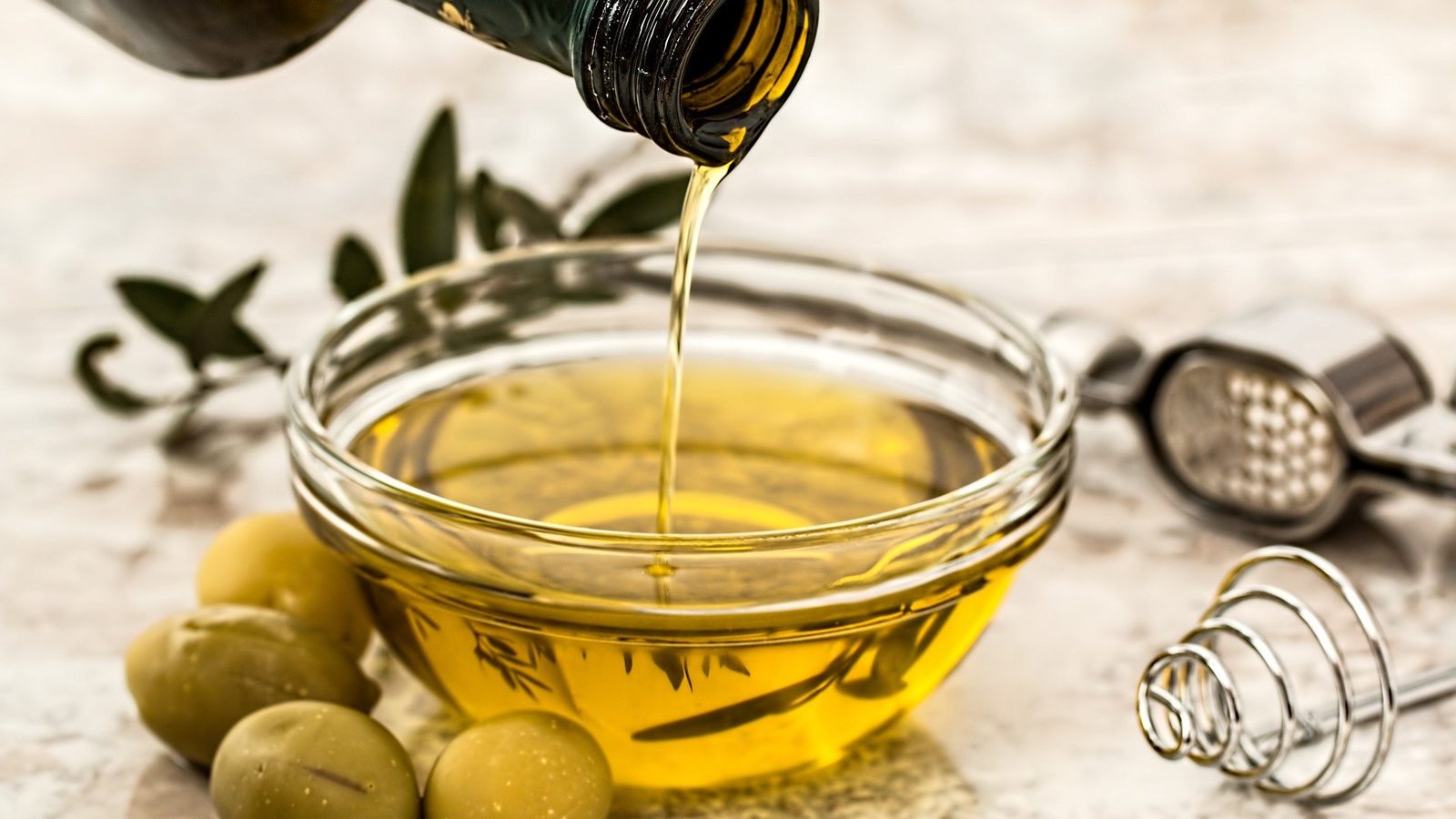
Europe's summer of extreme heat, prolonged drought and widespread fires is already cutting agricultural output across the continent and could put renewed upward pressure on food prices — including olive oil — in the months ahead, experts warn.
Lower yields, higher costs
Olive groves in Spain, Italy, Greece and Portugal have been hit by heatwaves, smoke and blazes, and producers say the combination of high temperatures and water stress is likely to reduce this year’s olive harvest. Trees that were not directly burned still face damage from smoke, ash and sustained heat, while pests and diseases that thrive in hot conditions are spreading.
Declining yields and rising production costs are not limited to olives. Farmers across large parts of Europe report smaller harvests of maize, wheat and many vegetables. The European Union has already revised its forecasts: expected sunflower yield — important for edible oils — is down 7 percent, while wheat projections have been cut by 6 percent.
In France producers say they have lost thousands of tonnes of vegetables worth tens of millions of euros; the most affected crops include green salad, carrots, leeks, garlic and onions, and in some cases yields are expected to be halved because of the lack of rain. In Spain — Europe’s biggest olive-oil producer — the prolonged drought remains a serious threat to output.
Grape growers in Champagne, Bordeaux and Burgundy report accelerated ripening and one of the earliest harvests on record. In the UK, supermarket chains are already increasing imports of items such as lettuce and broccoli because domestic supplies have been hit by drought.
Experts caution that if adverse weather persists, consumers could see higher prices for olive oil, vegetables, cereals, wine and other food products this autumn. The issue comes alongside separate controls and enforcement incidents in the sector — for example, a recent video reported a seizure of 260 tonnes of fake olive oil.
Photo: Unsplash