Four elections in 10 days could reshape global politics (25 Oct–3 Nov 2026)
Brazil, Serbia, Israel and the United States hold high‑stakes votes between 25 October and 3 November 2026 that could reshape regional and global politics.
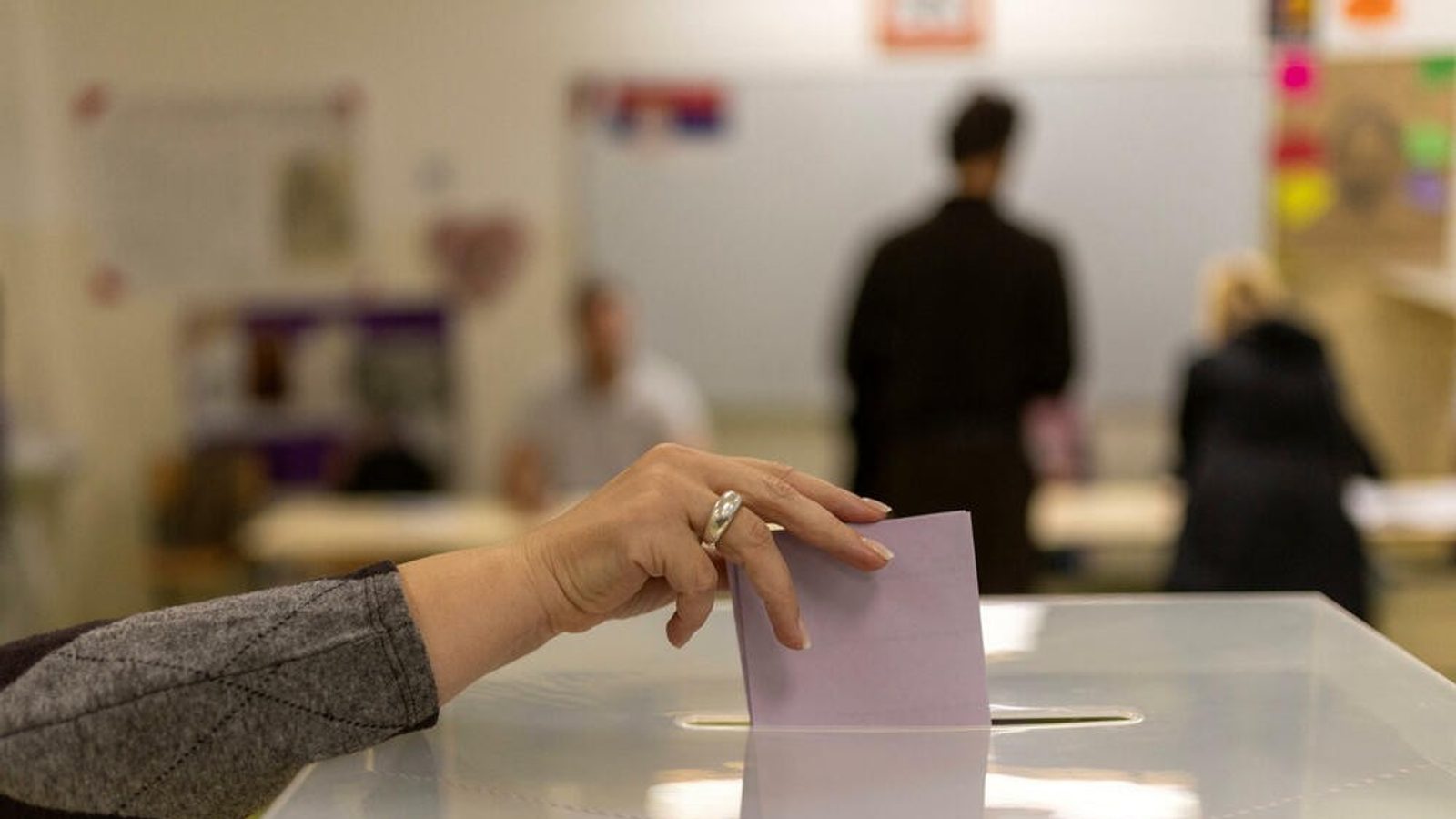
Four national votes across four continents in the space of ten days could reshape global politics, pitting a rising authoritarian right against prodemocracy forces in tight contests. The races—Brazil and Serbia on 25 October 2026, Israel on 27 October 2026 and the United States midterms on 3 November 2026—are being cast as a test of whether recent authoritarian gains can be consolidated or checked.
High stakes and close margins
Researchers at the V‑Dem Institute, based in Sweden, say the democratic freedoms enjoyed by an average citizen worldwide have fallen to levels last seen in 1978. That decline adds weight to warnings that the clustered timing of these four elections could either arrest that trend or accelerate it.
In Brazil, on 25 October 2026 the second round of the presidential election features the far‑right candidate Flavio Bolsonaro in the lead. If he wins, Bolsonaro has said he would seek to "change the constitution", pardon his father—who was convicted and imprisoned for plotting a coup—and roll back environmental protections, a crucial issue for the Amazon rainforest.
Also on 25 October 2026 Serbia’s long‑dominant leader Aleksandar Vučić, whose rule critics call a semi‑autocracy, faces an unusually energized protest movement led by students. The movement has put forward a slate of little‑known professors and technocrats under the slogan "Serbia or the mafia" and represents the biggest electoral challenge to Vučić in his 12 years in power.
On 27 October 2026 Israeli prime minister Benjamin Netanyahu will confront his opponents at the ballot. Netanyahu’s tenure has coincided with an extended democratic decline, according to commentators: he is wanted by the International Criminal Court for alleged war crimes and crimes against humanity in Gaza, and faces ongoing corruption trials at home. Polls show his hard‑right coalition trailing the opposition bloc.
The sequence culminates on 3 November 2026 with the U.S. midterm elections, where voters may deliver a rebuke to Donald Trump. Democrats could retake at least one chamber of Congress — and possibly both — a result that would complicate efforts by Trump and his movement and alter the United States’ trajectory on indices of liberal democracy.
Observers note the contests are not isolated: the MAGA movement has offered political backing to Netanyahu, Vučić and Bolsonaro; the Pegasus spyware developed in Israel has been detected on phones of students and prodemocracy activists in Serbia; and Bolsonaro has voiced strong pro‑Israeli positions, including a pledge to follow the U.S. example and move Brazil’s embassy to Jerusalem. A victory for the authoritarian right in any of these countries would buoy like‑minded leaders elsewhere, while a prodemocracy win could inspire and reinforce opposition movements across regions.
Photo: press material from the event