Saint Paraskeva (August 8): what to bring into the home for blessing and what to avoid
Orthodox believers mark August 8 in honour of Saint Paraskeva — here are traditional items to bring into the home and tasks to avoid.
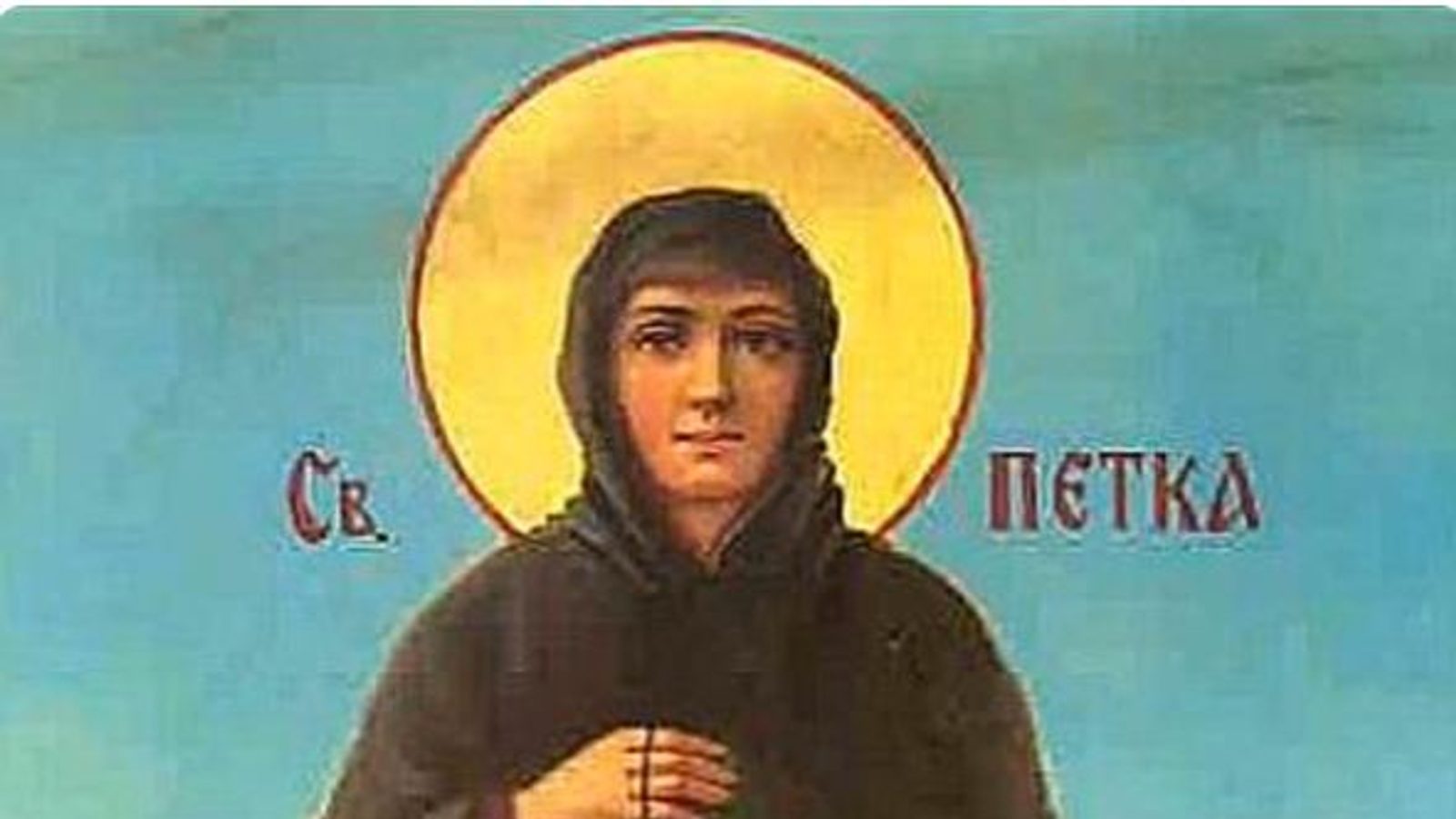
Every year on August 8 the Orthodox faithful mark the commemoration of Saint Paraskeva, popularly known as Saint Petka. This summer feast — distinct from the autumn celebration of Saint Petka in October — is remembered for the saint’s life and martyrdom and carries particular spiritual meaning in local tradition.
In popular memory Saint Paraskeva is regarded as the guardian of the household, protector of mothers, women and the poor. Her cult in Macedonian custom is tied to preserving domestic peace, honesty and spiritual purity, and many families use the day to seek blessing and reconciliation.
Customs observed on the morning of August 8 begin with prayer before the first bite or any work. Believers are encouraged to bring candles from church and light them at home, letting them burn in different rooms as a sign of spiritual light and protection; the gesture is believed to clear the space of negative energy and invite harmony into the household.
Flowers and symbols for the home
Homes are often decorated with fresh flowers as a sign of joy, peace and renewal. Traditional choices connected with Saint Paraskeva include calendula (marigold), chrysanthemum and the white lily — flowers regarded as carriers of purity, protection and health. Calendula’s golden hue is thought to attract prosperity and warmth, chrysanthemum symbolizes longevity and peace, and the white lily stands for divine mercy and purity of heart through the saint’s intercession.
Folk tradition also prescribes a series of prohibitions for the day: heavy physical work such as washing, cleaning, sweeping, gardening or moving furniture is discouraged because those activities are believed to 'drive away' good fortune and disturb spiritual calm. Manual tasks like sewing, knitting or kneading are likewise avoided.
The underlying idea of these practices is symbolic and practical: to fill the home with light, peace and blessing while removing anything that brings strife or weight. Those who observe the customs hope to secure a year filled with health, love, family harmony and the saint’s protection.
Photo: press material from the event