Ten years since the Stajkovci floods: hardware upgraded, but vulnerabilities remain
New radars and stations improved early warning, but lack of qualified staff and neglected drainage keep flood risk high.
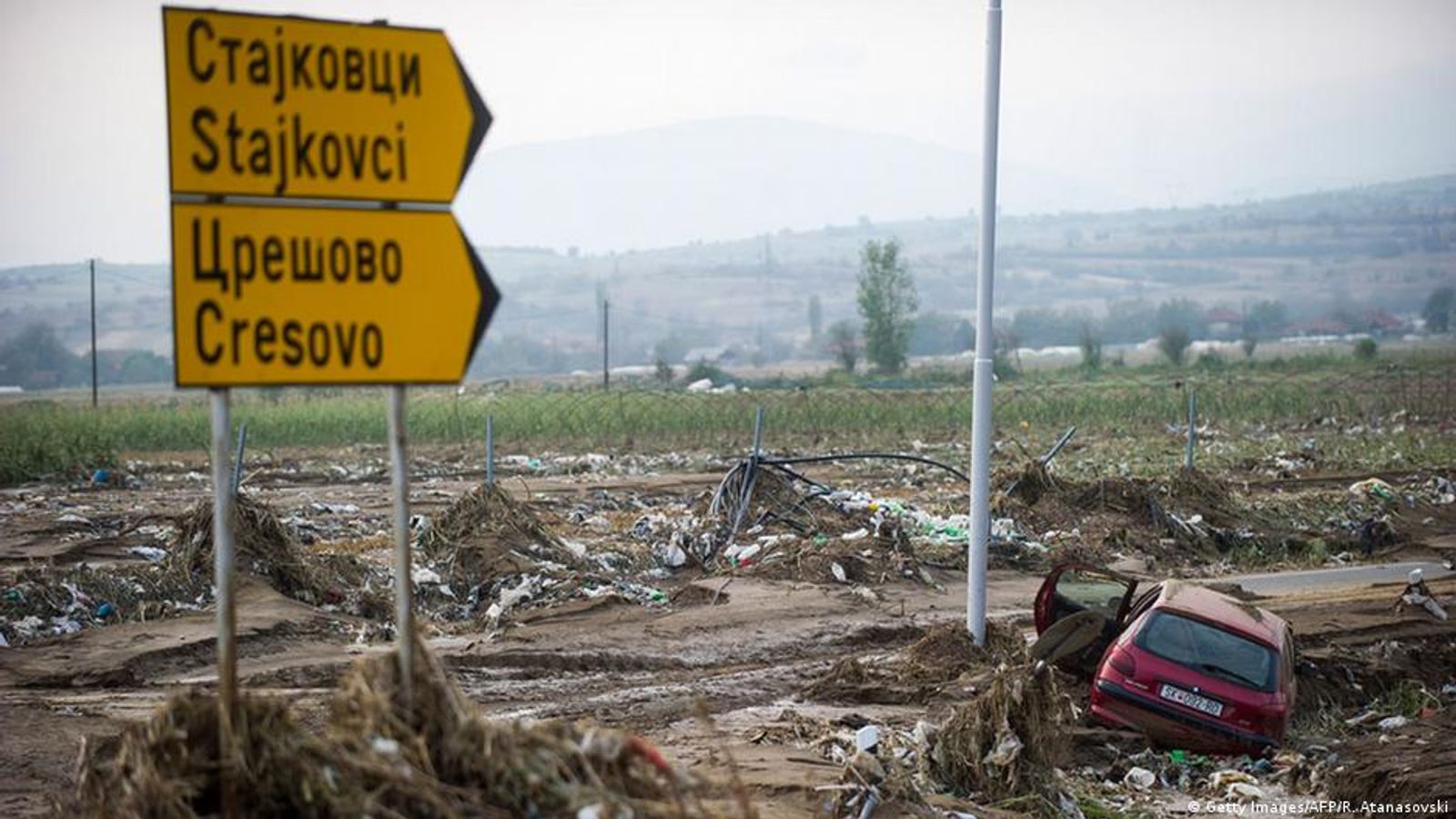
Ten years after the devastating flash floods that struck the Skopje region in August 2016 and claimed 22 lives, North Macedonia has modernised parts of its monitoring network — but gaps in personnel, local maintenance and long-term prevention persist.
Authorities say new radars, automatic hydrological stations and improved data links deliver faster information about intense rainfall. Yet experts warn that hardware alone cannot prevent repeat disasters unless municipalities and emergency services act on warnings and maintain infrastructure.
Coordination and the 112 emergency number
The Hydrometeorological Service (UHMR) now feeds radar, satellite and automated station data into national forecasting platforms intended to trigger alerts for institutions and citizens. Since March 2022 the European emergency number 112 has been in operation for reporting floods, fires and other threats, and apps and systems for sharing incident information are available. Still, frontline responsibility largely rests with local government.
Hydrologist Atanas Ugrinski stresses the technical progress but highlights human limits: "There are better automatic hydrological and meteorological stations, better real-time data transmission and more modern early warning and alert systems. Global, European and world platforms are also available, as well as more advanced meteorological and hydrological forecast models. But the expert staff remains the biggest problem. Quality and qualified personnel are key when issuing alarms and warnings," he says.
Blocked and neglected drainage channels remain a recurring risk. Construction debris, household waste, discarded appliances and other material often choke channels and riverbeds, reducing their capacity during torrential rains or snowmelt and turning them into dangerous overflow points.
Geography professor Ivica Milevski warns that urban exposure and environmental degradation make similar events likely to repeat: "Extreme events in urban areas will repeat themselves, and we will constantly complain. There are almost no towns and larger villages that are not at risk of something like this happening in five or ten years, because in most of the territory of Macedonia there are torrential waters and there is great denudation," he says.
Experts and emergency planners argue that the cost of prevention — riverbed regulation, embankments, reforestation, regular channel cleaning and better spatial planning — is far lower than post-disaster recovery. Without sustained investment in trained personnel, municipal maintenance and prevention policies, the risk of new catastrophic floods remains real.
Photo: press material from the event