Digital euro aimed at reducing reliance on Visa and Mastercard
EU institutions say a central bank digital euro will strengthen strategic autonomy and curb reliance on Visa and Mastercard.
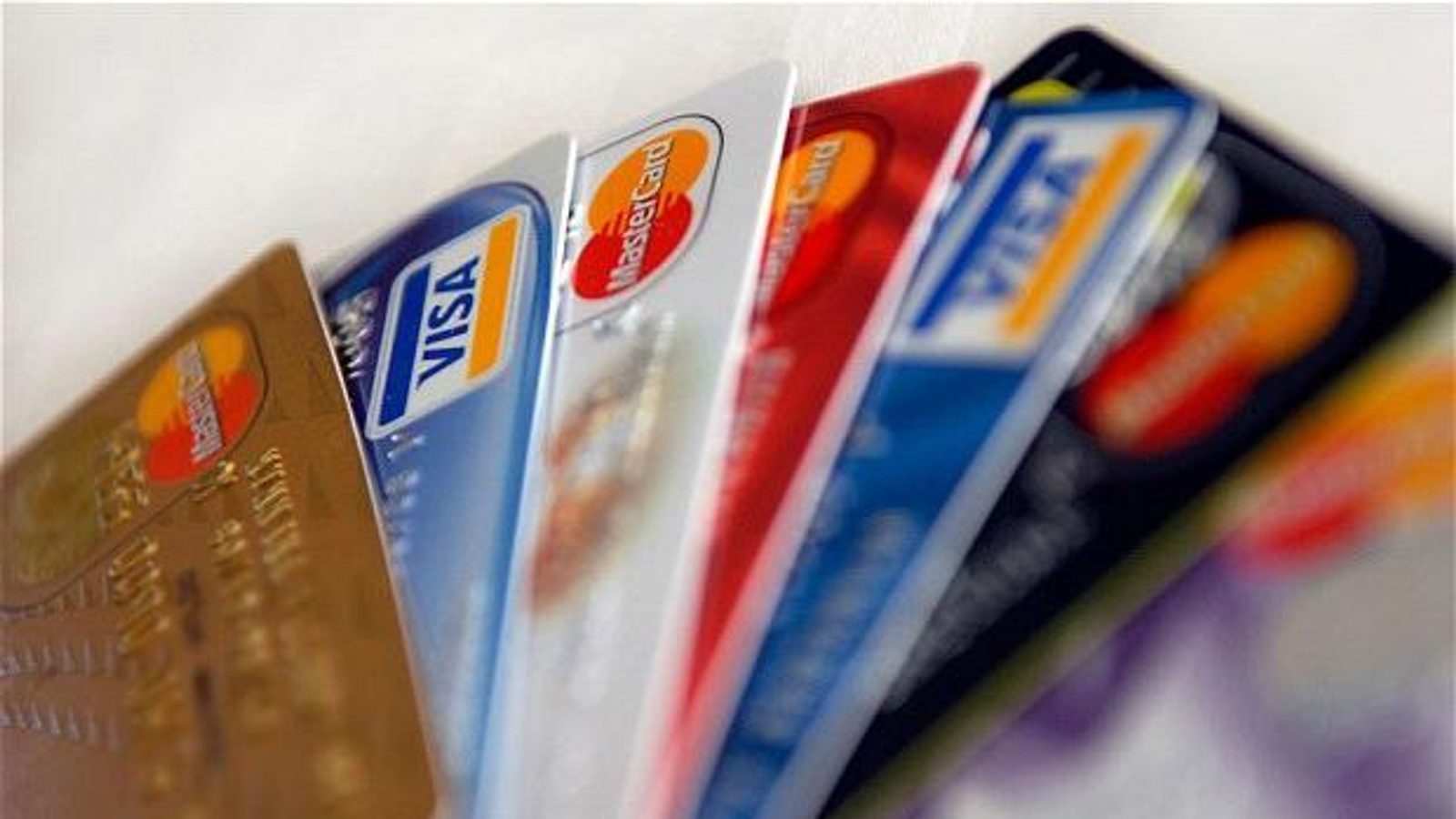
The European Union is stepping up work on its own digital payments infrastructure and is positioning the digital euro as a key tool to reduce dependence on the US card giants Visa and Mastercard.
Data from the European Central Bank show that US payment firms process about two thirds of card payments in the eurozone, a reliance the ECB warns could become a strategic risk if geopolitical tensions rise.
What the digital euro would be
The digital euro would be a digital form of the euro issued and backed by the European Central Bank. It is not intended to replace cash or to eliminate existing bank accounts; rather, it aims to give citizens a pan‑eurozone, European option for digital payments accessible across the currency area.
European institutions underline that payments via the digital euro would run on infrastructure governed within Europe, strengthening the bloc’s strategic autonomy. One headline feature under development is the ability to make payments offline — allowing certain transactions without an internet connection — which should increase the resilience of the payments system and improve privacy.
The digital euro is expected to work for in‑store purchases, online shopping and person‑to‑person transfers. The European Central Bank plans a 12‑month pilot project starting in the second half of 2027 to test technical and operational capabilities, with the aim of being ready for a potential first issuance in 2029 provided that European regulation is adopted in 2026. Alongside the public digital currency, Europe is also encouraging private European payment solutions so national systems can operate more easily across borders without relying on non‑European infrastructure.
Photo: press material from the event