Technical questions vs political fights: data-centre debate in North Macedonia
Technical uncertainties and transparency concerns are fuelling political fights over data-centre projects in North Macedonia.
Experts and politicians in North Macedonia are clashing over plans for new data centres, with engineers warning that technical details must be settled before projects move forward and parties turning the topic into a political battleground.
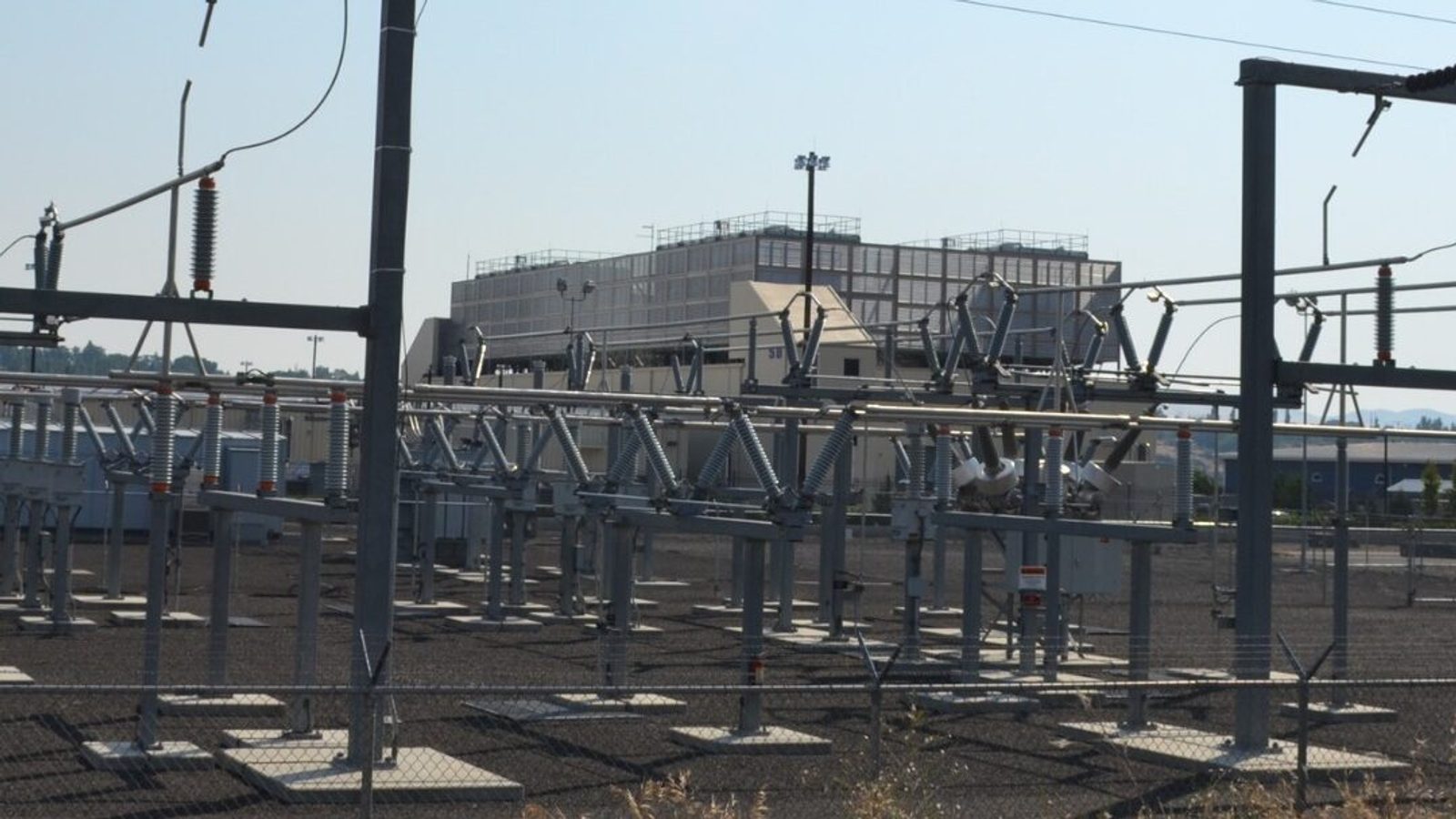
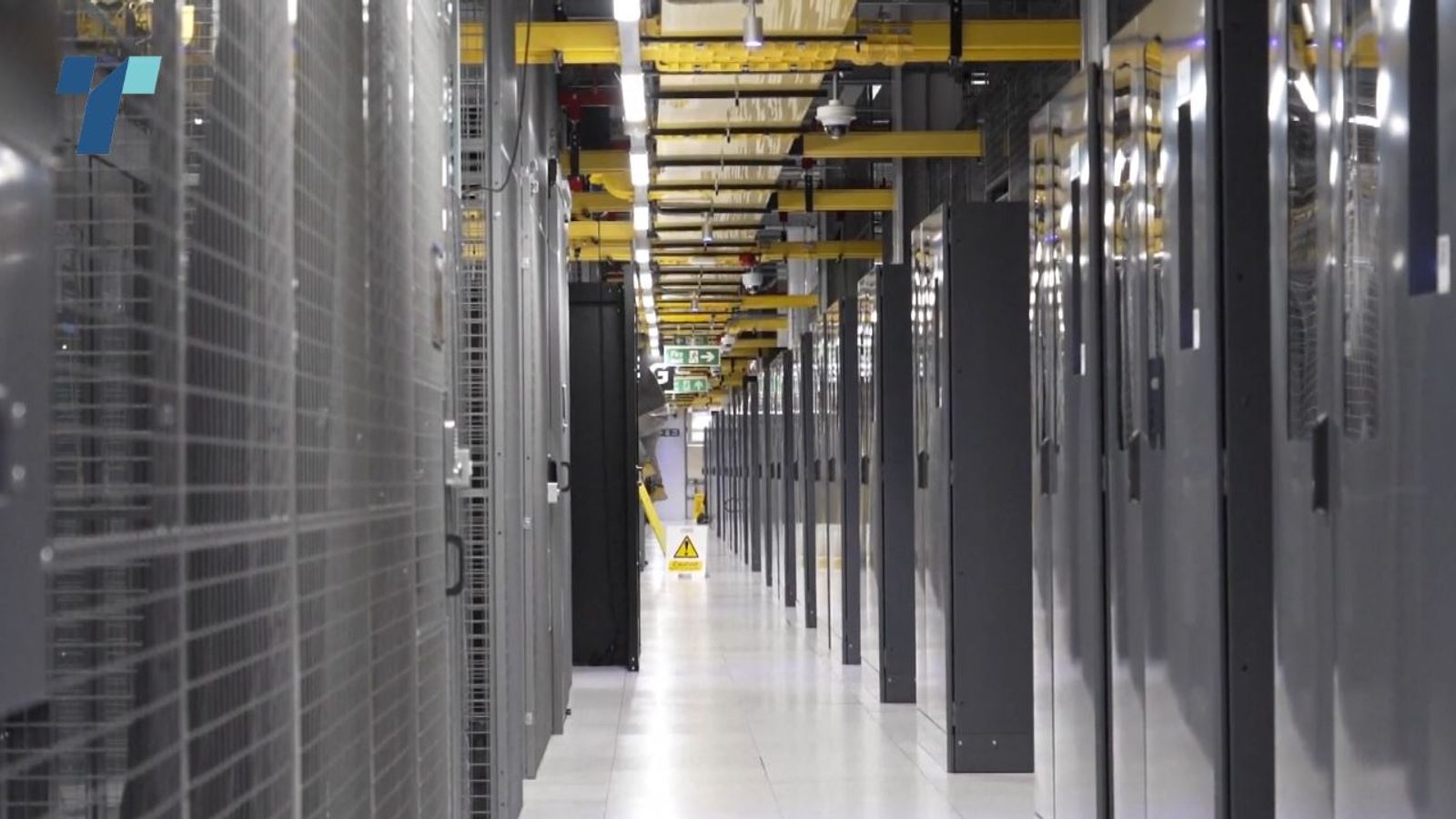
Bozidar Simovski, a specialist in cybersecurity, says policymakers first need to define the exact type and scale of any data centre planned. “You must know the installed power capacity of the site, how often servers will be replaced, how the facilities will be powered, what cooling will be required and whether there is a backup system if the supply fails,” he warns.
Opposition parties argue the country lacks the resources to host large data centres and complain that negotiations with potential investors lack transparency. Maja Borozan of SDSM accused the opposition’s political rival of secretive deals: "They are not being published who they are, the conditions under which Mickoski gives those companies the water, the land and huge amounts of electricity. There are no answers. No names. Nothing. Mickoski works 'under the radar'. He does not say how much electricity and how much water the data centers will consume," she said.
The ruling VMRO-DPMNE responded by defending the idea of attracting such industry and criticising what it called outdated arguments. "The idea to develop this type of industry is attacked with things that date back more than a decade. Now North Macedonia is a market economy and the way the price of electricity is determined and who pays it is clear. There are also a number of water-cooling methods that depend on what the data centers are intended for. So, on these issues SDSM only spreads panic in public," said Mile Lefkov of VMRO-DPMNE.
Independent experts say data centres are critical infrastructure for any modern state but stress that each project must be guided by a clear plan: what the facilities will serve, who will build and operate them, and a careful assessment of economic viability before construction begins.
Observers warn that until technical questions about energy consumption, cooling solutions, and backup power are answered, the debate will remain dominated by political manoeuvring rather than a focused professional discussion.
Photo: press material from the event