Dimitrieska‑Kochoska: We are analysing all options for the second pension pillar
The finance minister asked young contributors to calculate whether the second pillar will meet their retirement needs and said IMF experts will review options.
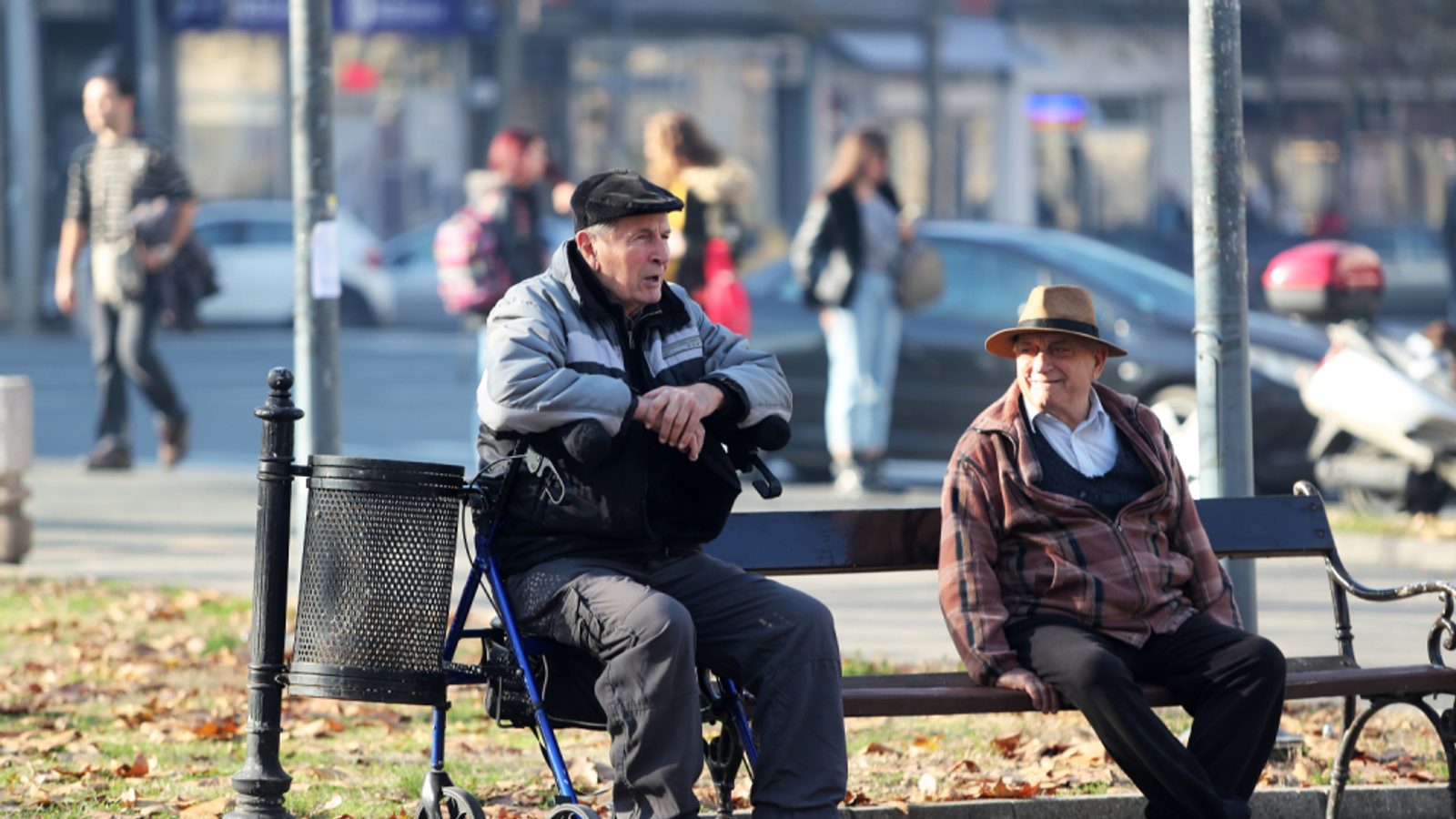
Finance Minister Gordana Dimitrieska-Kochoska told reporters on October 30, 2026, that the Government is reviewing all options for the second pension pillar and urged younger contributors to run their own calculations to see whether the scheme will meet their retirement expectations. She used a personal example to underline the point: "I'll take the opportunity to say that my grandmother is 95 years old and still alive. If she had waited for the second pillar she would have died of hunger. Those are the calculations," the minister said at a press conference where she presented the draft 2027 budget.
IMF review, international examples and no immediate changes for 2027
Dimitrieska-Kochoska said the Government will work with the International Monetary Fund to examine different models and lessons from other countries that have had second-pillar systems. "All of that was explained. At the IMF we attracted a lot of attention, we had a meeting with the deputy of the IMF president, who said that they will additionally do analyses of what is happening in Macedonia. Now in November we have an IMF mission and based on that he even said that he will use it as a case study for events they organize in Shanghai where they will speak exclusively about pension funds," she told journalists.
The minister reminded the public that North Macedonia has not changed the design of the funded second pillar since its introduction in 2000. She noted that the average return on invested pension assets is currently about 2 percent, which is below the country's economic growth rate.
Dimitrieska-Kochoska also pointed to measures taken elsewhere — including nationalisations and temporary halts of transfers during the COVID crisis — as examples of the range of policy responses under consideration. However, she emphasised that no legal changes are planned for 2027: transfers to the second pillar will continue under current law and are covered in the 2027 budget, which projects 3.8 percent growth and 3.2 percent inflation.
The minister addressed common worries about fund sustainability with a detailed explanation of how benefits will be paid. "I'll take the opportunity to say that my grandmother is 95 years old and still alive. If she had waited for the second pillar she would have died of hunger. Those are the calculations. That is a fact, because the second pillar will give you only your own saved money. The comments that the pension fund will go bankrupt, I think, fall flat because two thirds of the pension we will receive in the future will come from the state fund, and one third from the second pillar. That one third will come for as long a period as we tell the pension company, for example the next 5 years, after which they will pay us the funds that way. What after those five years, then we remain further to wait for a pension from the state pension fund. And if we think that it will collapse, then from the start we should expect that we will not be able to survive and feed ourselves. Therefore we must not think like that, but rather we should look at how to stabilize the fund," she said.
Earlier the same day Prime Minister Hristijan Mickoski said the Government is considering a reform that would make the second pillar voluntary, allowing citizens to decide whether a portion of their contributions should go into the funded scheme.
Photo: press material from the event