EU enlargement director: North Macedonia is blocked because it refuses to do what it knows it must
The EU enlargement director says the 'ball is in Skopje' and that, with progress, Skopje and Belgrade could get indicative roadmaps for 2027.
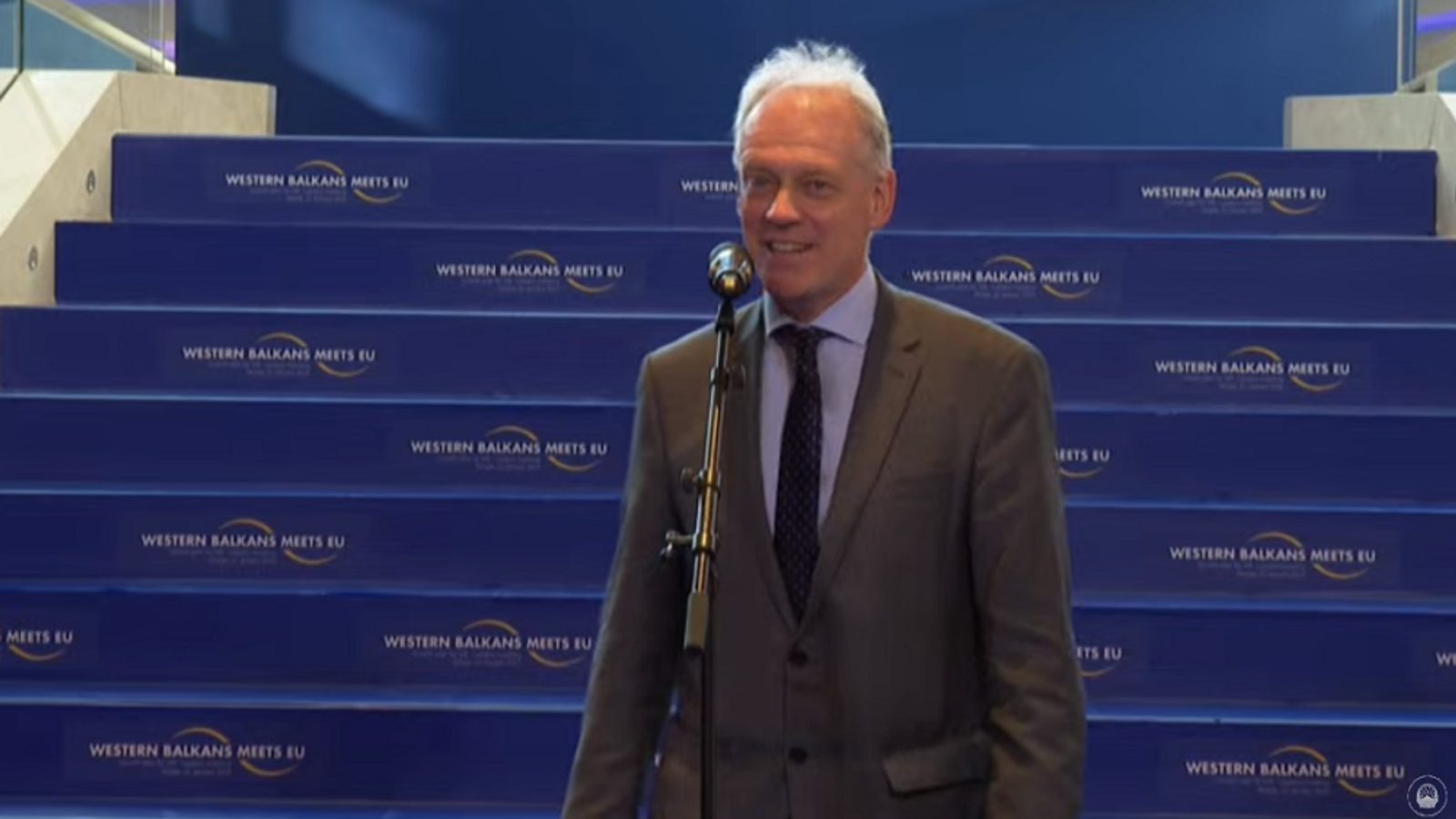
Gert Jan Kopman, Director-General for Enlargement and Neighbourhood at the European Commission, told an Atlantic Council interview that the current blockage over opening North Macedonia's first cluster in accession talks "is not in the Council of the EU. The blockage is in the country."
Ball is in Skopje, Kopman says
Answering a question from Ilva Tare of Balkans Debrief about whether the EU Council or a Bulgarian veto is the reason for the stalled talks after 17 years since the Commission's first recommendation, Kopman rejected the idea that the problem sits with a member state alone. "That is not only a Bulgarian question. That is a position of the EU. That is part of the Council conclusions," he said, while also stressing that the decisive factor is domestic.
Kopman pointed to concrete steps North Macedonia still needs to take: adoption of roadmaps and an action plan on minorities, which he said are already in advanced preparation, but he warned that "without the constitutional amendment, the process simply will not move forward. It really depends on the country itself."
He argued that Skopje has demonstrated reform capacity this year through the implementation of several demanding measures under the Plan for Growth, but that the talks have stalled because the government has not been willing to take a necessary decision. "It is not blocked by a member state. It is blocked because, so far, it does not want to do what it knows it needs to do," Kopman said. When Tare asked for confirmation that "the ball is in Skopje," he answered: "Absolutely."
Asked whether the Commission is negotiating a solution, Kopman said Brussels is engaged with all parties but emphasized national sovereignty: "It is a political choice. It is about a sovereign country. Nobody can force, nor wants to force, the country to do something it is not ready to do."
Looking ahead, Kopman raised the possibility that, if progress resumes, both North Macedonia and Serbia could receive indicative roadmaps in a future enlargement package for 2027 — the same type of guidance that Montenegro, Albania, Moldova and Ukraine received this year — and noted that both countries have the administrative capacity to move quickly if they choose to do so.
Photo: Printskrin