Germany faces "shadow war", Interior Minister Alexander Dobrindt warns
Dobrindt urges urgent strengthening of the BfV after warnings from the BND and an August drone attack; reform bill under committee review.

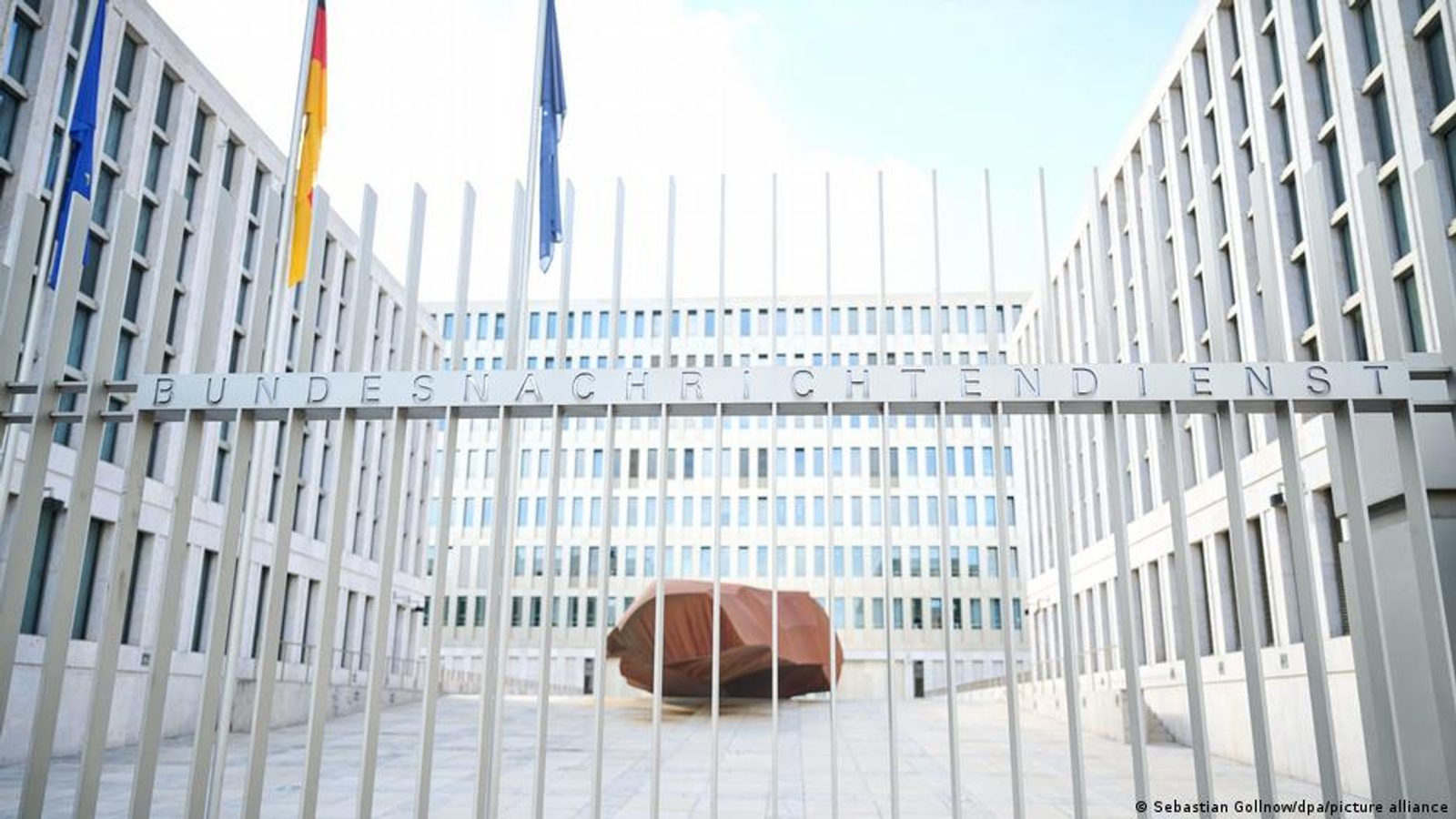
Germany's interior minister warned that the country is facing a "shadow war" whose scope and objectives go far beyond the threats of the Cold War and called for an urgent strengthening of the Federal Office for the Protection of the Constitution (BfV), the domestic intelligence service.
"The shadow war we witness today has aims that far exceed any threats we faced during the Cold War. Its obvious goal is to destabilize us and to undermine the foundations of our stability," Interior Minister Alexander Dobrindt said, without naming Russia directly.
Pressure to expand intelligence powers after August drone attack
Dobrindt's remarks followed warnings from the head of Germany's Federal Intelligence Service (BND), who earlier this month said Germany risks being drawn into a violent confrontation with Moscow. Calls to broaden the remit of Germany's intelligence services intensified after a failed explosives-laden drone attack on a German airport in August, an incident German authorities blamed on Russia.
The government has put forward a draft reform bill that would grant intelligence agencies wider powers, including the ability to carry out active defensive measures. That proposal passed a first reading in parliament in September and is now being examined by parliamentary committees.
"Germany cannot afford to be a second- or third-tier player when it comes to the development of its capabilities and services. We must remain among the leading countries given the challenges we face," Dobrindt said, urging faster modernization and greater resources for the BfV.
Germany's post-war intelligence architecture was shaped by the legacy of the Nazi era, and as a result domestic agencies historically have had more limited authorities than counterparts in France, the United Kingdom and the United States. The current debate pits that historical caution against officials who argue the scale of today's threats requires broader powers and faster adaptation.
Photo: press material from the event