North Macedonia faces years‑long shortage of adrenaline auto‑injectors (EpiPen)
Pediatricians warn EpiPen is often unavailable domestically, costs about 6,000 denars abroad and call for training of school and kindergarten staff.
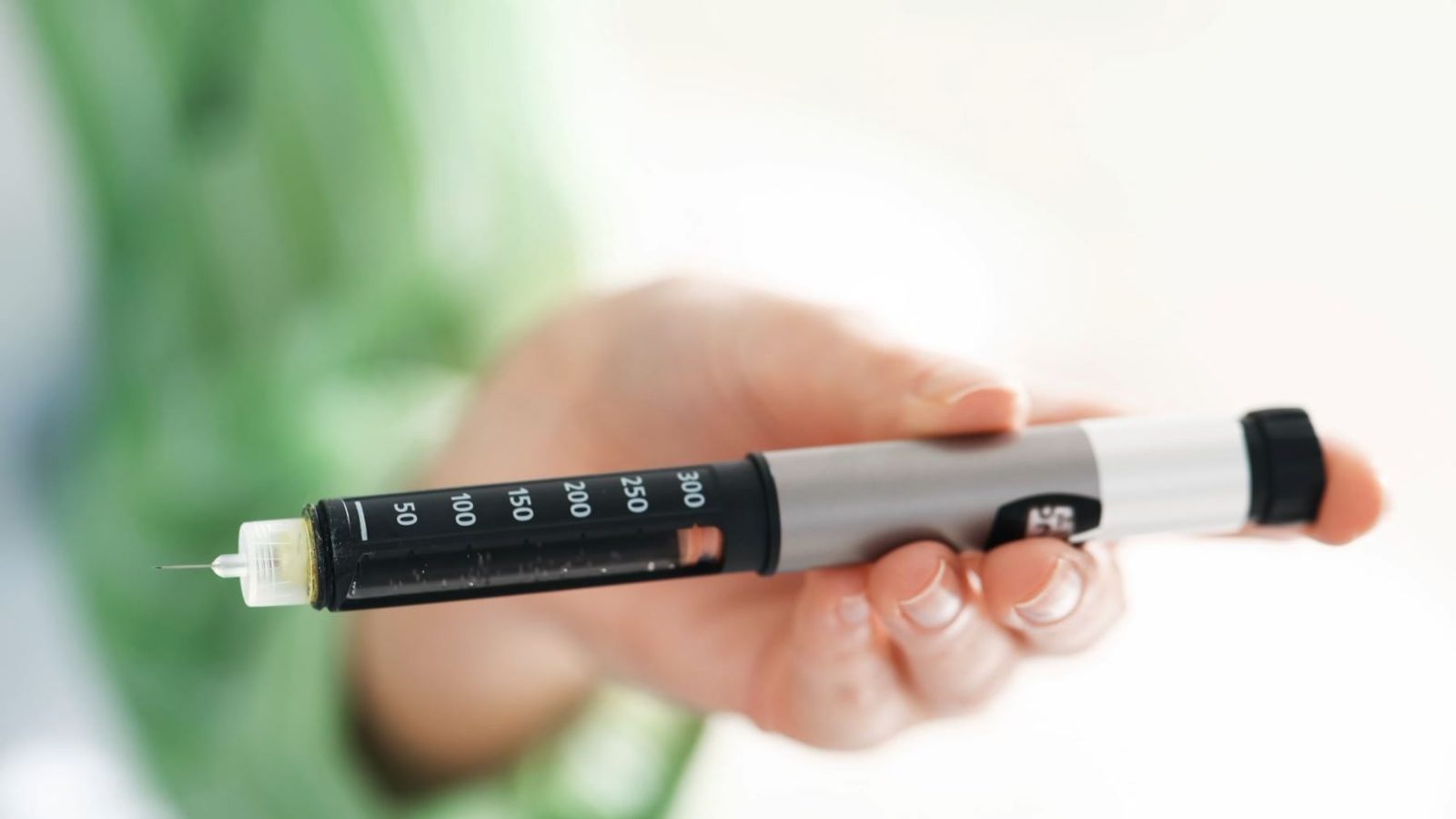
North Macedonia has faced a years-long shortage of adrenaline auto-injectors for treating anaphylactic shock in both children and adults, pediatric specialists warn. Doctors say the lack of ready access to devices such as EpiPen increases the risk that a severe allergic reaction will turn life‑threatening before treatment can be given.
Doctors demand better access and training
“To recognize mild and to recognize severe symptoms, to recognize anaphylactic shock. Anaphylactic shock must especially be recognized, because it is a life‑threatening condition in a child, it can also have fatal consequences, if a rapid and timely adequate therapy is not given, and that is the adrenaline auto‑injector, i.e. EpiPen which every child who has a food allergy should possess. It is not expected that the child during anaphylaxis will put it on by themselves and have an auto‑injector in their backpack and therefore there must be training of the staff to save the child from that anaphylactic condition,” said prim. sup. spec. Dr Mirjana Panova‑Popovska of the University Clinic for Respiratory Diseases in Children – Kozle.
Pediatricians point out that EpiPen and similar auto‑injectors currently can be purchased only in some neighbouring countries, and the price is about 6,000 denars — a cost many families find prohibitive.
“It is important and very necessary not only for children, but also for adults, to have it in their pocket, so that they can inject it immediately when they feel swelling, heaviness, inability to breathe when they are choking. When they fall unconscious, they must be injected,” said Prof. Dr Tatjana Jaćovska, president of the Pediatric Respiratory Association (PEDIARES).
Doctors are urging state institutions to improve availability and affordability of adrenaline auto‑injectors, and to introduce regular training for kindergarten and school staff so personnel can quickly identify and respond to allergic reactions.
The appeal came during a congress organized by the Pediatric Respiratory Association (PEDIARES) in cooperation with the European Academy of Allergy and Clinical Immunology. The event highlighted timely recognition, appropriate treatment and prevention of food allergy and anaphylaxis in children, and called for upgrading modern standards in pediatric healthcare.
The reports from pediatric specialists underline a practical dilemma for families: without affordable domestic supply, parents face long travel or expensive purchases abroad to secure an EpiPen for a child at risk.
Photo: press material from the event