European Commission: Citizens pay up to 42% of health costs; prevention, oversight weak
The Commission warns of high out‑of‑pocket spending, incomplete e‑health data and weak cancer screening and smoking control.
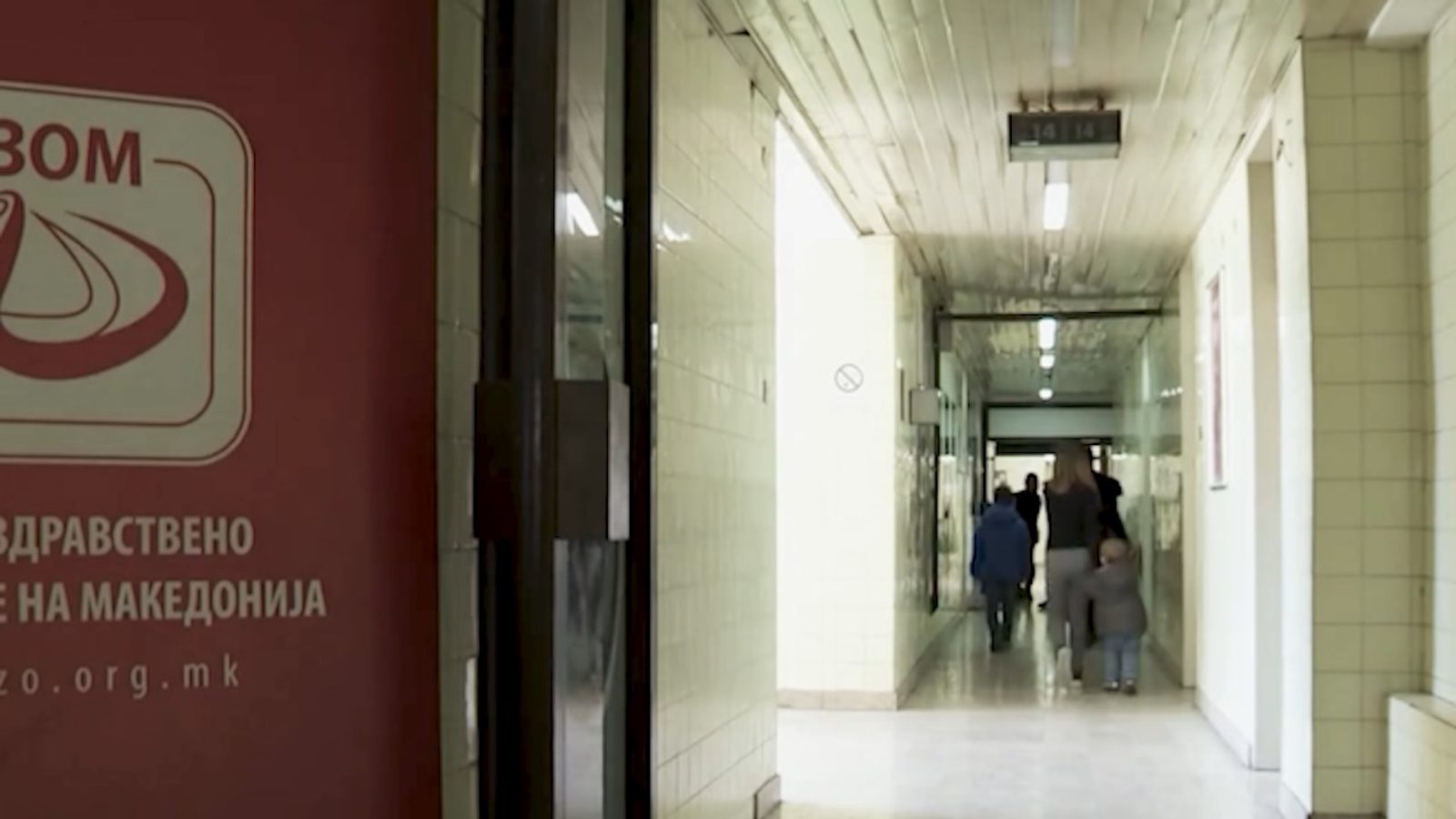
The European Commission's latest progress report finds that citizens of North Macedonia still bear a heavy share of health-care costs, paying up to 42 percent of expenses out of pocket for specialist consultations, hospital services and medicines.
In the report the Commission warns: "Universal health coverage is provided free of charge through primary care, but patients must pay for certain hospital services, specialist consultations and medicines. The range and availability of health services, particularly specialist care, and their geographic distribution are inadequate. The number of nurses per 100,000 inhabitants remains below the European average. The outflow of medical staff from public to private health care and abroad continues.
An additional problem noted is that the state does not have full insight into the health services patients receive. The national e-health system collects data only from public institutions. This means that examinations and treatment in private health care are not fully recorded, leaving patients' health records incomplete.
This lack of oversight and insight into private healthcare also surfaced with the case of cardiac surgery interventions in private hospitals, which were suspected to have been carried out without medical indication, for profit. Despite the seriousness of the allegations, there is still no full institutional resolution."
Key findings and concerns
The Commission highlights weaknesses in cancer prevention: the number of newly registered cancer cases and cancer mortality continued to rise in 2025. While breast and colorectal screening programmes are in place, their coverage is insufficient, and HPV testing has not yet been introduced into cervical screening — a measure doctors have long requested from health authorities.
Report authors also note poor enforcement of indoor smoking bans. Smoking reportedly continues to be tolerated without sanctions in some public institutions, parts of health facilities and hospitality venues. The government had announced a stricter anti-smoking law that was to enter into force in March, but following pressure from the hospitality sector many initial provisions were watered down and the draft remains stalled in parliament.
Finally, the Commission points to corruption risks within the health sector and calls for stronger measures: better planning of health spending, faster digitalisation of records including private providers, and more transparent public procurement to reduce opportunities for misuse of funds.
Photo: press material from the event