European Commission proposes gradual pre-accession integration and 15-year safeguards
Proposals include pre-accession access to EU systems, a 15-year post-accession safeguard, and roadmaps for four frontrunner countries on 28 October.
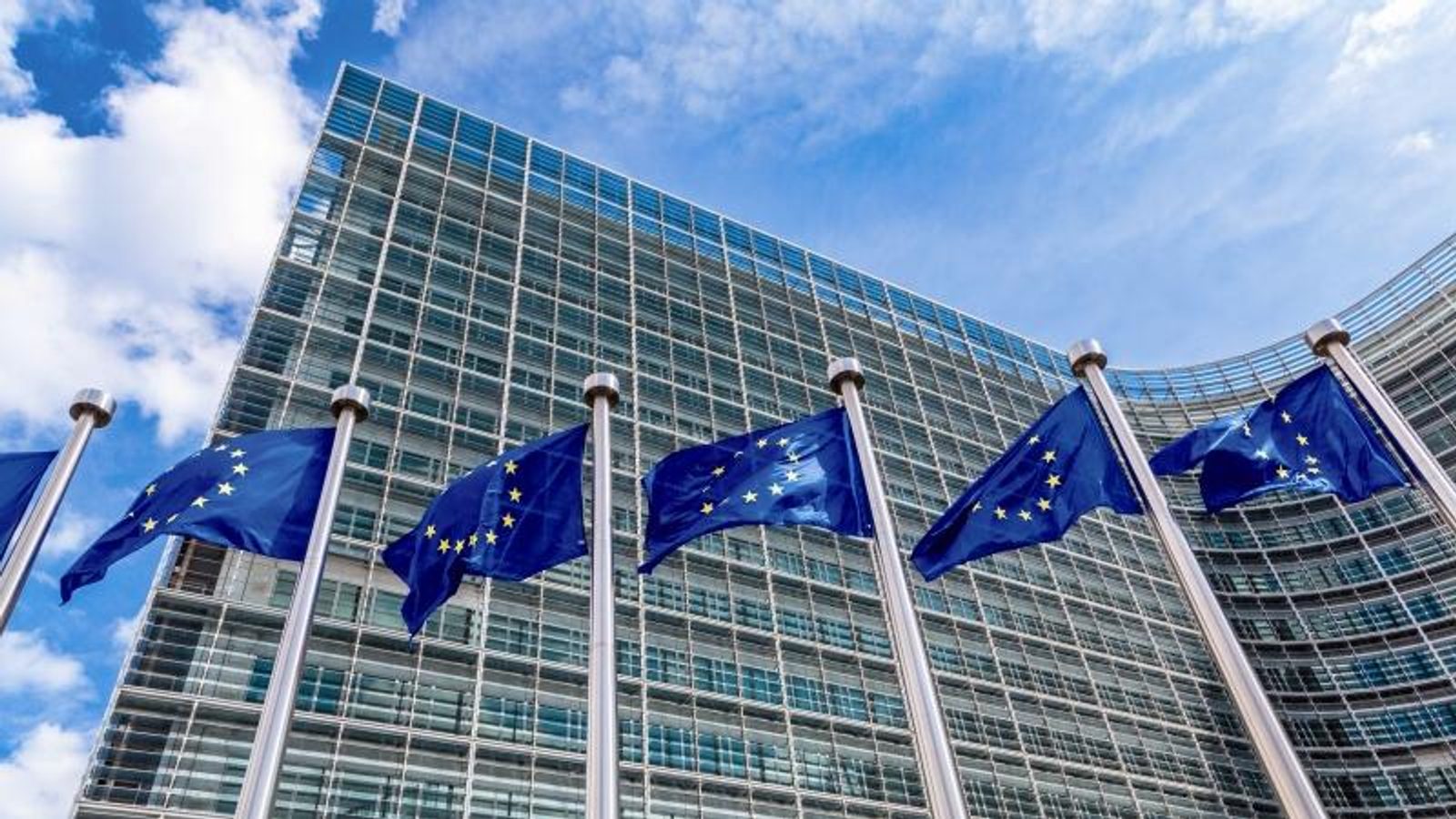
The European Commission unveiled proposals to change how future EU enlargements would work, including a new model of gradual pre-accession integration and a 15-year safeguard that would allow removal of voting rights or EU funds if a recently joined member seriously breaches core democratic standards.
Under the plan, candidate countries would gain access to parts of the EU system before full membership — including the single market, EU programmes and agencies, and key energy, transport and digital networks — while accession would remain strictly merit-based and conditional on alignment with the Union.
Practical steps and examples
The Commission cites existing precedents such as participation in the Single Euro Payments Area (SEPA), where North Macedonia, Albania, Montenegro and Serbia already take part, and the extension of roaming at domestic prices to the Western Balkans, which the Council approved for negotiations in June.
One of the cornerstone proposals is a safeguard lasting 15 years after accession. During that period, a new member could have its voting rights or EU funding suspended if it commits serious breaches of the EU's fundamental democratic values or the principle of sincere cooperation.
"The safeguard mechanisms will be activated only in case of serious breaches, i.e. actions contrary to the rule of law, democracy and our values. This will apply to both current and new members. To join the EU, countries must meet very high standards in the field of the rule of law. We must ensure that after accession they will never fall below those standards again. We learned this from past experience. So, it's about protecting ourselves," said Enlargement Commissioner Marta Kos.
The Commission also proposes that new members commit for a transitional period to refrain from using vetoes in future enlargement decisions when bilateral disputes are involved, arguing that bilateral issues not related to accession criteria should be resolved through bilateral or international mechanisms. To speed up negotiations, the proposal foresees qualified majority voting for opening and closing negotiating clusters and for other steps, while unanimity would remain required to complete the accession process.
In addition to its annual enlargement reports, the Commission will publish concrete roadmaps on 28 October for Montenegro, Albania, Ukraine and Moldova — identified as four frontrunners in the enlargement process — setting out next steps, concrete targets and indicative timelines. The EU is preparing such roadmaps with concrete dates for some candidate countries — North Macedonia is not in the plan.
Photo: press material from the event