EU and China agree to reduce Chinese hybrid car exports to Europe
Deal in Beijing could reduce Chinese hybrid shipments to the EU by more than half and cut exports by "several million vehicles" over four years, Šefčovič said.
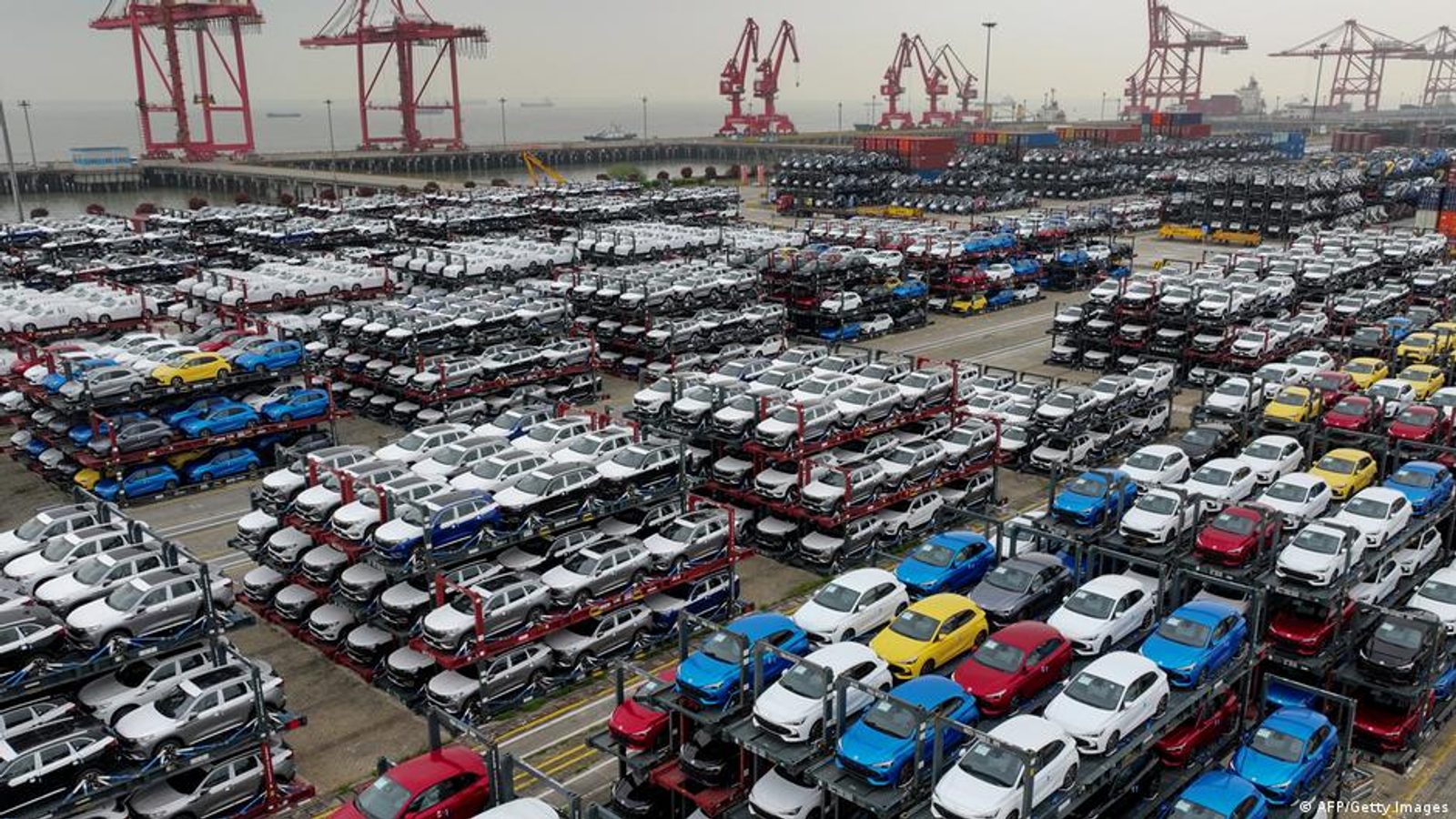
EU and China have reached an agreement to curb exports of Chinese hybrid cars to the European Union, a development that could ease competitive pressure on European — and in particular German — automakers, EU Trade Commissioner Maroš Šefčovič said on October 10, 2026.
Speaking after talks in Beijing with Chinese Minister of Commerce Wang Wentao, Šefčovič said China has agreed to reduce shipments of hybrid vehicles to the EU and that deliveries could fall by more than half. He added that, over the next four years, the number of vehicles exported from China to Europe would be cut by "several million vehicles."
What the deal covers and immediate reactions
According to the joint statement issued by the two sides, the agreement on hybrids is one item among 16 topics discussed during the talks. Both sides said the measures comply with World Trade Organization rules. Šefčovič said the results will be forwarded to European Commission President Ursula von der Leyen and EU member states for a final decision. "There the final decision will be taken," he said.
The accord is expected to relieve some of the strain Chinese competition has placed on European producers, especially German manufacturers. Hybrids have become the largest market segment in the EU: in August more than 44 percent of newly registered cars were hybrids — vehicles that combine an internal-combustion engine with an electric motor and a battery, sometimes with a plug-in option.
Chinese firms have been expanding rapidly in this segment. Volkswagen CEO Oliver Blume warned in recent weeks that "Chinese manufacturers are aggressively entering the European market and quickly gaining market shares." In the second quarter, one in three hybrid cars sold in Europe was produced by Chinese companies, and manufacturers such as BYD have been competing on price by offering heavy discounts.
Germany's car industry association VDA welcomed the deal, with its president Hildegard Miler calling it "a first positive signal," while MEP Bernd Lange, who chairs the European Parliament's trade committee, said: "An initial progress is visible, but this is still not a breakthrough."
Beyond hybrids, the two sides said they will explore, within WTO rules, opportunities to reduce tariffs on certain products. Šefčovič emphasized that the technical results from the Beijing talks will now be examined in Brussels and by national governments before any final commitments are adopted.
Photo: press material from the event