EU stands by 90/180 rule; Western Balkan carriers send letter and threaten border blockades
Carriers will ask Brussels whether long‑term visas issued by one Schengen country are valid across the zone; a negative reply may trigger border closures on 14 September.
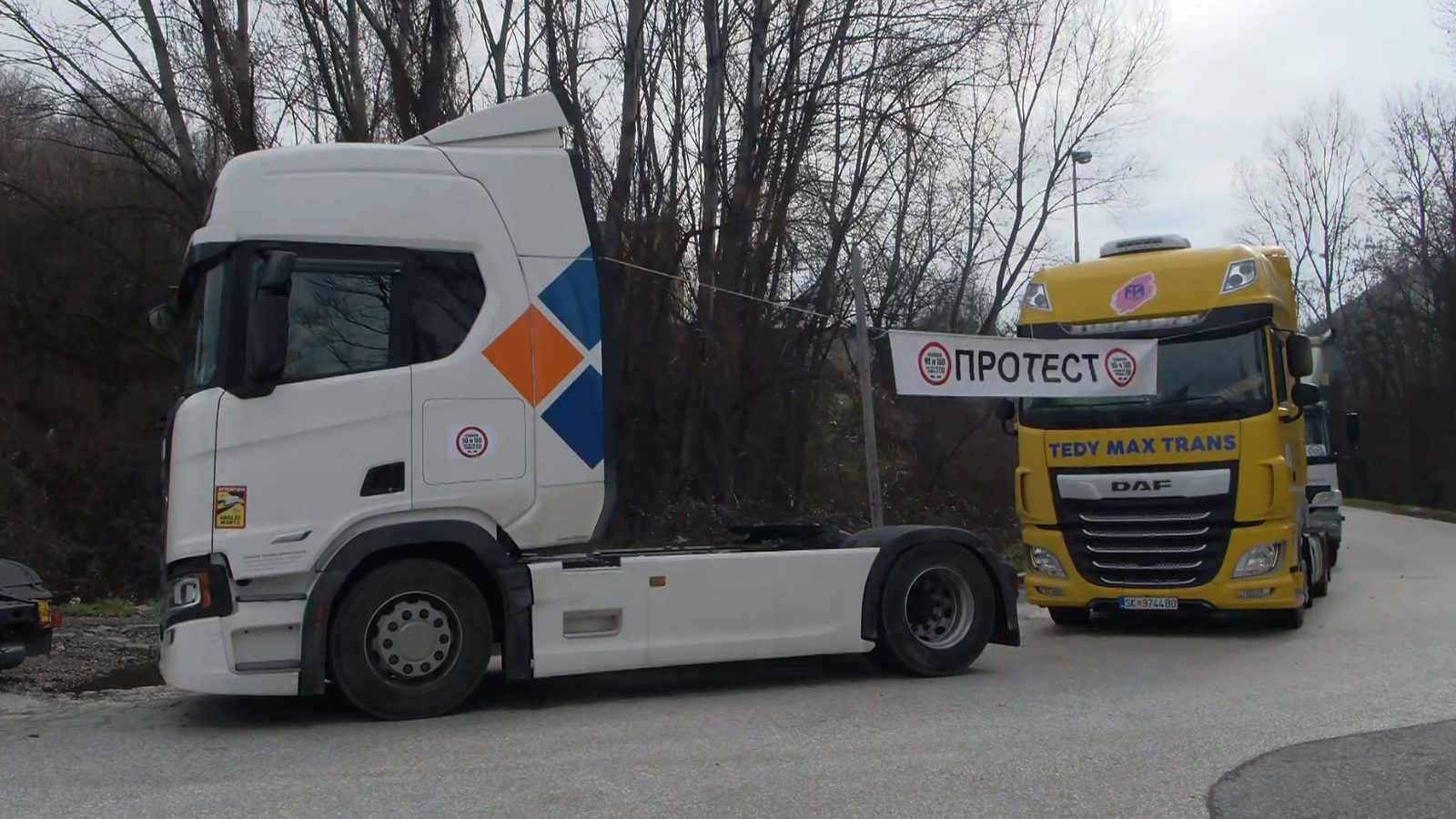
Regional road carriers from the Western Balkans have prepared a formal letter to the European Union after Brussels gave a clear "no" yesterday to changing the Schengen 90/180 rule. The association plans to ask for clarifications about the Commission's reasoning, in particular whether a long‑term visa issued by one Schengen state would be recognised across the whole Schengen area. The carriers say their next step — including possible border blockades — will depend on Brussels' reply, which they expect tomorrow.
Brussels points to existing rules and bilateral accords
The European Commission acknowledges that truck drivers and other mobile professionals may need to stay in the Schengen area for more than 90 days within a 180‑day period, but it insists the issue must be addressed through current rules and bilateral agreements with member states. Brussels also says the new Entry/Exit System (EES) did not create the 90/180 limitation but merely allows for more precise enforcement.
"We are carefully monitoring the situation and are in contact with our partners in the region. We are aware that for a large number of professionals from third countries who are not cross‑border workers, access to the Schengen area may be necessary for more than 90 days within a 180‑day period. This includes professions that rely on high mobility, such as truck drivers, but also athletes and touring artists. There are national rules and existing bilateral agreements, so there is a path to be followed and used to find pragmatic solutions under the current Schengen rules, for example, applying for long‑term visas, and also for residence permits, or in some limited cases, also to consider drivers as cross‑border workers," said Markus Lamert, a spokesperson for the European Commission.
North Macedonia's Government has been pushing for bilateral agreements that allow long‑term work visas for carriers. "The solution to this issue lies in two directions. First, the EU in its new visa strategy recognized carriers as professionals, that was stated at the press conference, and second, that the only solution is bilateral agreements for long‑term work visas which we have already concluded and are concluding. I think that our carriers are wise enough and that we will work together and the solution is already in sight, considering that with several countries such long‑term visas are issued," said Aleksandar Nikolovski, Minister of Transport and Communications and First Deputy Prime Minister.
Transport associations in North Macedonia, Serbia, Montenegro and Bosnia and Herzegovina have warned they will block border crossings from 14 September if Brussels does not provide a satisfactory response to the carriers' letter.
Photo: press material from the event